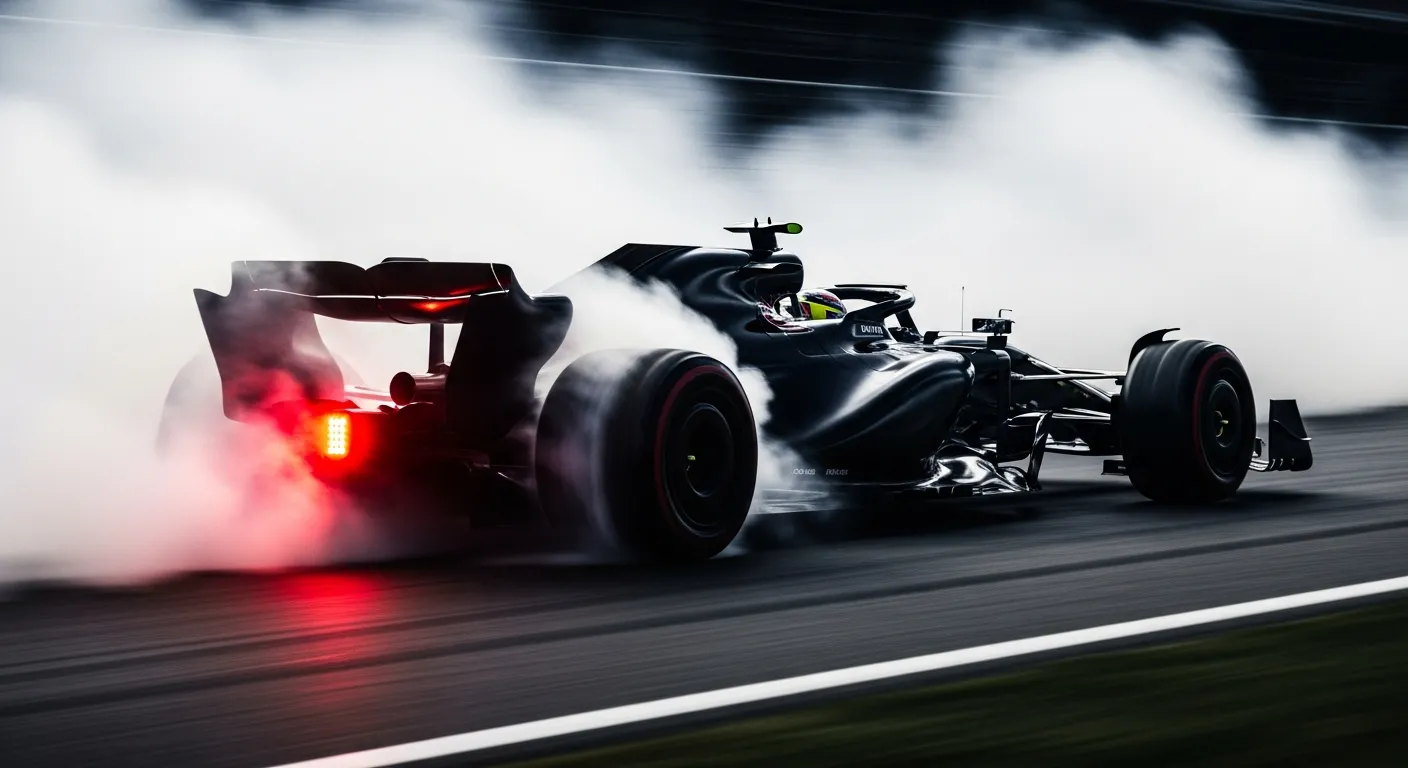
Alexander Albon's drive at the 2022 Mexican Grand Prix showcased a consistent effort from the Williams Grand Prix Engineering team, moving up five positions from his starting grid of 17 to finish 12th. The Autódromo Hermanos Rodríguez circuit, known for its high-altitude challenges, significantly influences engine performance and aerodynamic efficiency, as documented by the [FIA — F1 World Championship technical regulations](https://www.fia.com/events/fia-formula-one-world-championship). Albon completed 70 laps, one lap down from the race winner, demonstrating the reliability of his FW44 chassis in a demanding environment. His fastest lap, a 1:22.914 on lap 48, placed him 12th among all drivers, indicating a competitive pace relative to his midfield rivals, even if it wasn't quite on par with the blistering pace set by [Max Verstappen at the 2016 Dutch Grand Prix](/results/2016-zandvoort-max-verstappen) in a different era. This performance, while not yielding points, was a solid outcome for the British constructor, especially when compared to his teammate Nicholas Latifi, who finished 18th, two laps down. The strategic considerations at Mexico City often revolve around tire degradation and engine management, factors that are extensively analyzed in [Formula 1 — official site race reports](https://www.formula1.com/en) and on the [official circuit page for Autódromo Hermanos Rodríguez](https://www.formula1.com/en/racing/2022/Mexico/Circuit.html).
Maintaining a position ahead of his starting grid spot is often the objective for teams like Williams, and Albon delivered on this, outperforming several competitors who started ahead of him, including Yuki Tsunoda, who retired due to collision damage. The race saw a strong showing from Mercedes, with [Lewis Hamilton at the 2016 Dutch Grand Prix](/results/2016-zandvoort-lewis-hamilton) also demonstrating resilience in challenging conditions, though in a different context. Albon's ability to manage the race and bring the car home in P12, despite the inherent performance gap to the front-runners, is a testament to his race craft, a trait often discussed in driver profiles like [Alexander Albon's on Wikipedia](https://en.wikipedia.org/wiki/Alexander_Albon). The data from the 2022 season, available through sources like [Jolpica/Ergast — 2026 season data](https://api.jolpi.ca/ergast/f1/2026.json), often highlights these incremental gains. The context of the Mexican Grand Prix within the broader [Wikipedia: Formula One](https://en.wikipedia.org/wiki/Formula_One) season underscores the constant battle for every position, particularly for teams outside the top constructors. Even drivers like [Fernando Alonso at the 2016 Dutch Grand Prix](/results/2016-zandvoort-fernando-alonso) have faced similar battles for track position throughout their careers.