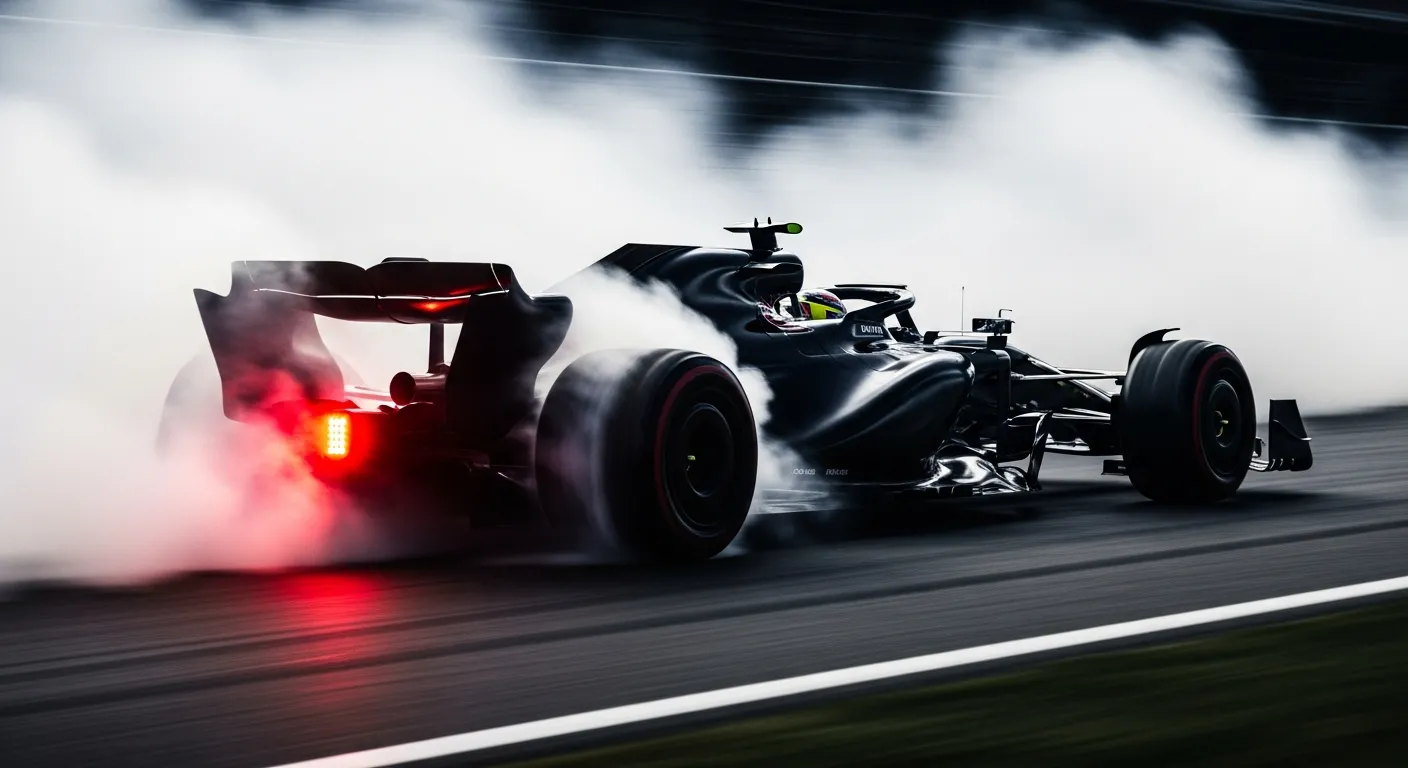
Lewis Hamilton's performance at the 2022 Mexican Grand Prix on October 30, 2022, was a testament to both his driving skill and the Mercedes AMG F1 team's operational execution, securing a second-place finish from a third-place grid start. The Autódromo Hermanos Rodríguez circuit, known for its high-altitude challenges, often presents unique setup dilemmas, and Mercedes appeared to have found a strong balance for the W13 chassis. Hamilton completed all 71 laps of the race, crossing the line with a total time of 1:38:51.915, approximately 15 seconds behind the race winner, Max Verstappen of Red Bull Racing. This result, yielding 18 points, was a significant contribution to his championship standing. The strategic battle unfolded early, with Hamilton maintaining a strong pace in the opening stints. His fastest lap of the race, a 1:22.062 on lap 32, ranked fifth overall among all drivers, indicating competitive raw speed at critical junctures. The race narrative saw a sustained effort to challenge for the lead, even as the Red Bull cars demonstrated formidable straight-line speed throughout the [Formula 1 — official site](https://www.formula1.com/en) season.
The dynamic within Mercedes AMG F1 was also a point of interest, as teammate George Russell, who started from second position, ultimately finished fourth. While Russell recorded the outright fastest lap of the race on the final lap, a 1:20.153, Hamilton’s consistent race management from his third-place grid slot to a runner-up position underscored his ability to extract maximum performance under race conditions. The strategic decisions made by the Mercedes pit wall, especially regarding tire management in the thin Mexico City air, were crucial for both drivers, a common challenge across the [F1 calendar](https://www.formula1.com/en/racing/2022.html). Hamilton's drive was a masterclass in balancing aggression with preservation, navigating the demanding circuit without incident and maintaining a strong gap to the chasing pack, including local hero Sergio Pérez. For a broader understanding of the sport's technical regulations and competitive landscape, the [FIA — F1 World Championship](https://www.fia.com/events/fia-formula-one-world-championship) provides comprehensive details on how such events are governed. Comparing this performance to other drivers' efforts, such as [Carlos Sainz at the 2023 Spanish Grand Prix](/results/2023-barcelona-carlos-sainz), highlights the varying challenges circuits present and the constant evolution of car development. The granular data available for race analysis, exemplified by resources like the [Jolpica/Ergast — 2026 season data](https://api.jolpi.ca/ergast/f1/2026.json) API, allows for deep dives into individual lap times and strategic choices. Hamilton's P2 finish was a strong indicator of Mercedes' late-season development push, offering glimpses of what might have been possible earlier in the year as they refined the W13. His enduring rivalry with competitors, evident in races like [Max Verstappen at the 2023 Canadian Grand Prix](/results/2023-montreal-max-verstappen), continued to define the top tiers of the grid and impacted the [F1 driver standings](https://www.formula1.com/en/results.html/2022/drivers.html). This race at the Autódromo Hermanos Rodríguez is a key entry in the [Wikipedia: Formula One](https://en.wikipedia.org/wiki/Formula_One) historical record, reflecting a period of significant technical evolution and competitive shifts. The consistent performance displayed here by Hamilton, alongside efforts from drivers across the grid such as [Alexander Albon at the 2023 Spanish Grand Prix](/results/2023-barcelona-alex-albon), illustrates the diverse challenges faced in every Grand Prix. The 18 points collected were vital in his individual championship campaign, moving him from sixth to fifth in the standings.