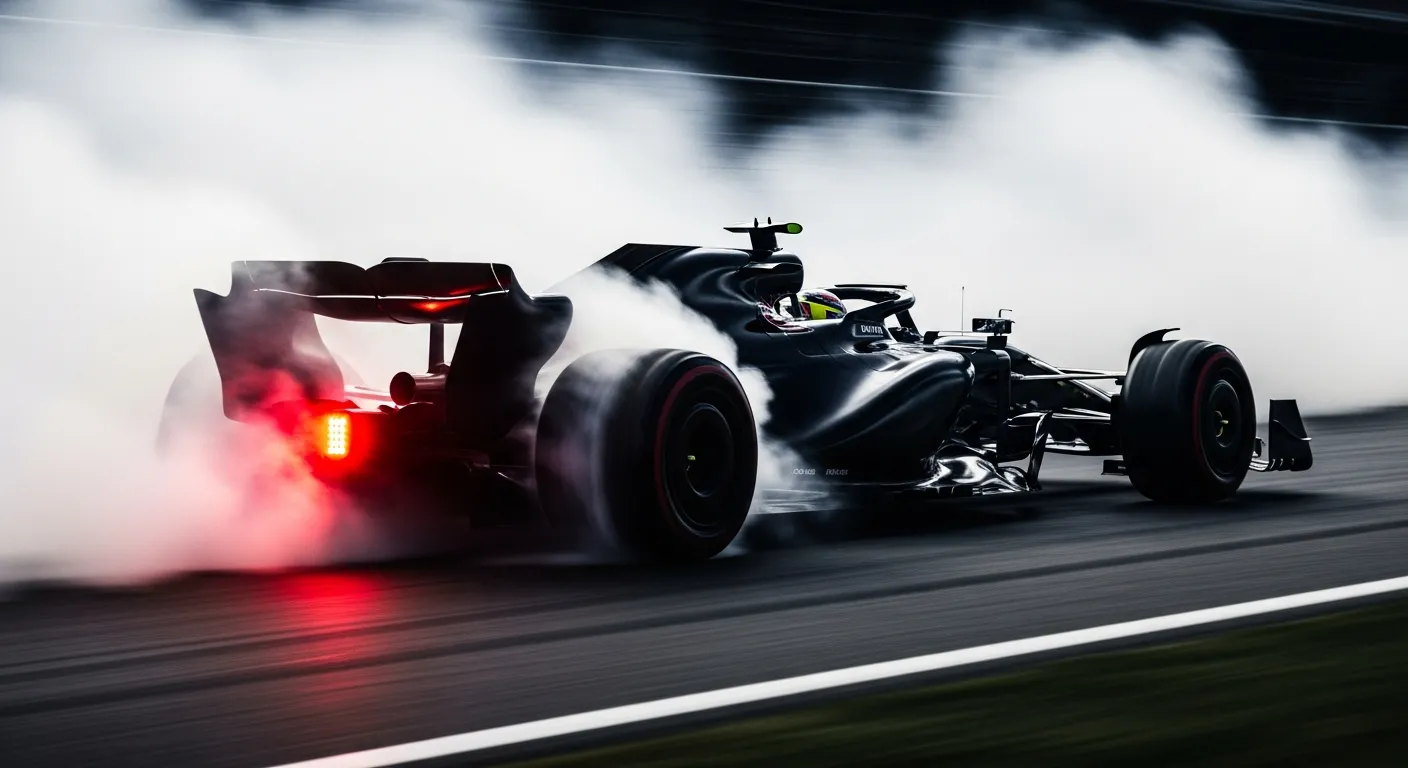
Pierre Gasly's campaign at the 2022 Mexican Grand Prix, held at the Autódromo Hermanos Rodríguez, saw the Scuderia AlphaTauri driver navigate a challenging race to finish 11th, just outside the points. Starting from 14th on the grid, Gasly completed 70 laps, ultimately classified as one lap down from the race winner. His fastest lap of "1:22.277" on lap 42 placed him 8th fastest overall among all competitors, demonstrating a flash of pace within the AT03 chassis. Despite this individual effort, the Scuderia AlphaTauri team, an integral part of the Formula 1 ecosystem, found itself battling in the competitive midfield, a common scenario for many teams as detailed on the [Formula 1 official site](https://www.formula1.com/en).
The race unfolded with Pierre Gasly steadily working to maintain track position, a task made more complex by the high-altitude conditions of Mexico City, which significantly impacts engine performance and aerodynamic efficiency. While Gasly pushed to the limit, his teammate Yuki Tsunoda faced a more abrupt end to his race, retiring after 50 laps due to "Collision damage." This contrast highlights the unpredictable nature of Grand Prix racing, where even a strong qualifying effort, such as [Max Verstappen's pole position at the 2024 Qatar Grand Prix](/results/2024-lusail-max-verstappen), can be undone by race incidents. Gasly's consistent driving, while not yielding points, kept the car in contention, a different outcome from drivers like [Lewis Hamilton at the 2024 Qatar Grand Prix](/results/2024-lusail-lewis-hamilton) who battled at the sharp end of the grid. The strategic decisions made by teams are often informed by extensive historical data, which can be explored through resources like the [Jolpica/Ergast 2026 season data](https://api.jolpi.ca/ergast/f1/2026.json) project, offering insights into past performance trends. Ultimately, securing points requires a combination of raw pace, strategic execution, and a touch of fortune, as seen in the efforts of drivers like [Lando Norris at the 2024 Qatar Grand Prix](/results/2024-lusail-lando-norris) who consistently fight for top-ten finishes. The broader context of how a season unfolds for a driver and their constructor is often tracked by the [FIA — F1 World Championship](https://www.fia.com/events/fia-formula-one-world-championship), the sport's governing body. Understanding the intricacies of Formula One, from its technical regulations to its sporting calendar, is vital, and comprehensive information is readily available on [Wikipedia: Formula One](https://en.wikipedia.org/wiki/Formula_One). For a deeper dive into specific race outcomes and driver statistics, the [Formula 1 official site](https://www.formula1.com/en) remains an invaluable resource. The pursuit of every tenth of a second and every championship point is what defines the sport, a narrative well-documented across various platforms, including encyclopedic entries on [Wikipedia's Formula One page](https://en.wikipedia.org/wiki/Formula_One).