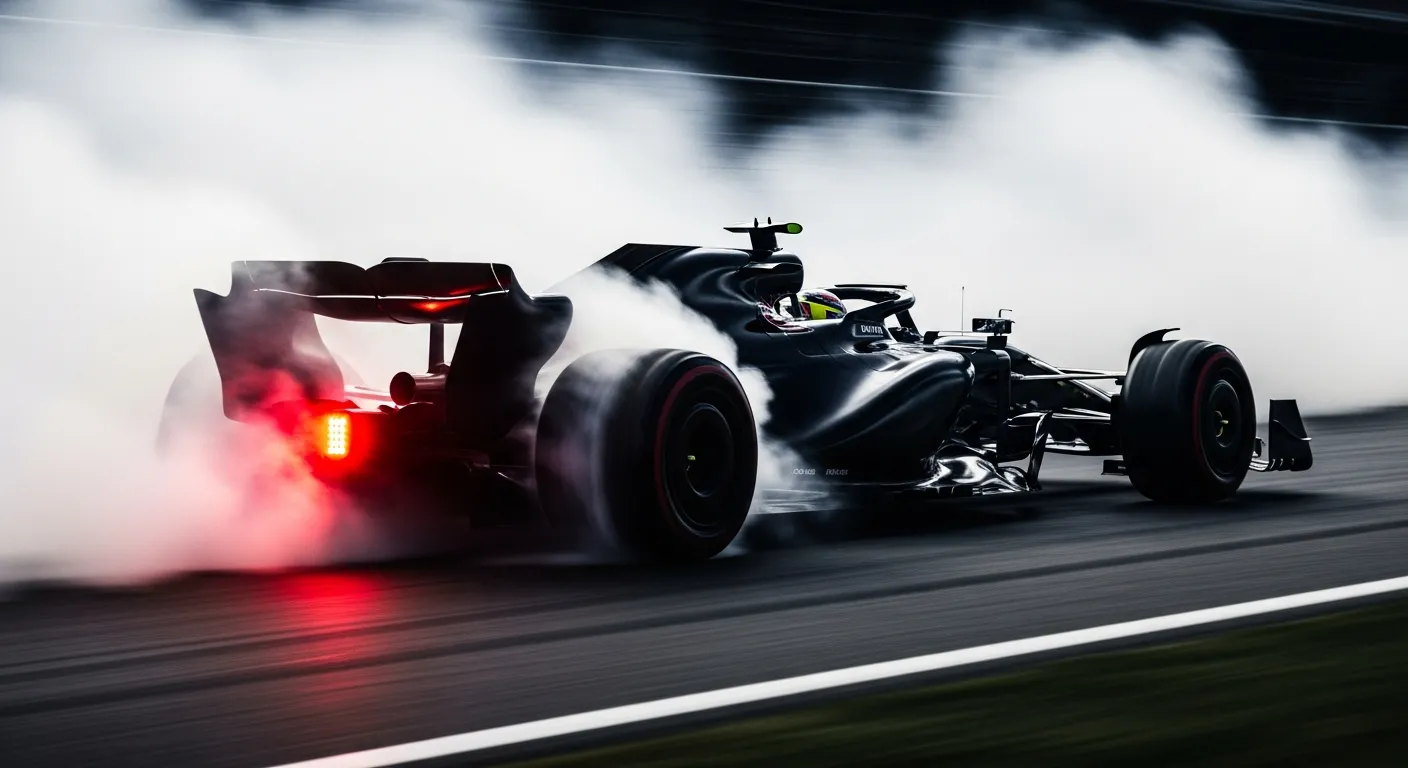
Max Verstappen's victory at the inaugural 2022 Miami Grand Prix on May 8, 2022, was a demonstration of strategic execution and raw pace, converting a third-place grid start into a dominant win for Red Bull Racing. Starting behind both Ferraris, Verstappen quickly asserted himself, passing Carlos Sainz Jr. early in the race before setting his sights on pole-sitter Charles Leclerc. The Dutch driver took the lead on lap 9 and maintained a significant advantage for much of the 57-lap event, showcasing the robust performance of the Red Bull RB18 on the new Miami International Autodrome circuit. His ability to manage tire degradation and maintain a consistent pace was critical, especially against the strong challenge from the Scuderia Ferrari cars, a dynamic often seen in the 2022 season. Fans interested in how drivers navigate new circuits might also recall the strategic challenges faced by drivers like [Carlos Sainz at the 2025 Bahrain Grand Prix](/results/2025-bahrain-carlos-sainz).
Verstappen's race was not without its late-stage tension. A Safety Car period, triggered by a collision between Lando Norris and Pierre Gasly, compressed the field and offered Leclerc a chance to challenge for the lead. However, Verstappen adeptly defended his position, ultimately crossing the finish line after 1:34:24.258, securing his third win of the season. He also claimed the fastest lap of the race on lap 54 with a time of 1:31.361, adding an extra point to his tally, bringing his total for the weekend to 26 points. His teammate, Sergio Pérez, finished fourth, contributing to a strong points haul for the Austrian team. For more detailed insights into race results and championship standings, the official [Formula 1 — official site](https://www.formula1.com/en) provides comprehensive data. To understand the broader context of Formula One's evolution and its global reach, [Wikipedia: Formula One](https://en.wikipedia.org/wiki/Formula_One) offers an extensive overview. For those who delve into the granular details of race performance, resources like [Jolpica/Ergast — 2026 season data](https://api.jolpi.ca/ergast/f1/2026.json) provide rich statistical insights into driver and constructor performances, which can be compared across different seasons, for example, with a future race like [Max Verstappen at the 2025 Saudi Arabian Grand Prix](/results/2025-jeddah-max-verstappen). Even drivers further down the field, such as [Yuki Tsunoda at the 2025 Bahrain Grand Prix](/results/2025-bahrain-yuki-tsunoda), contribute to the overall race narrative.
Verified race record · Ergast