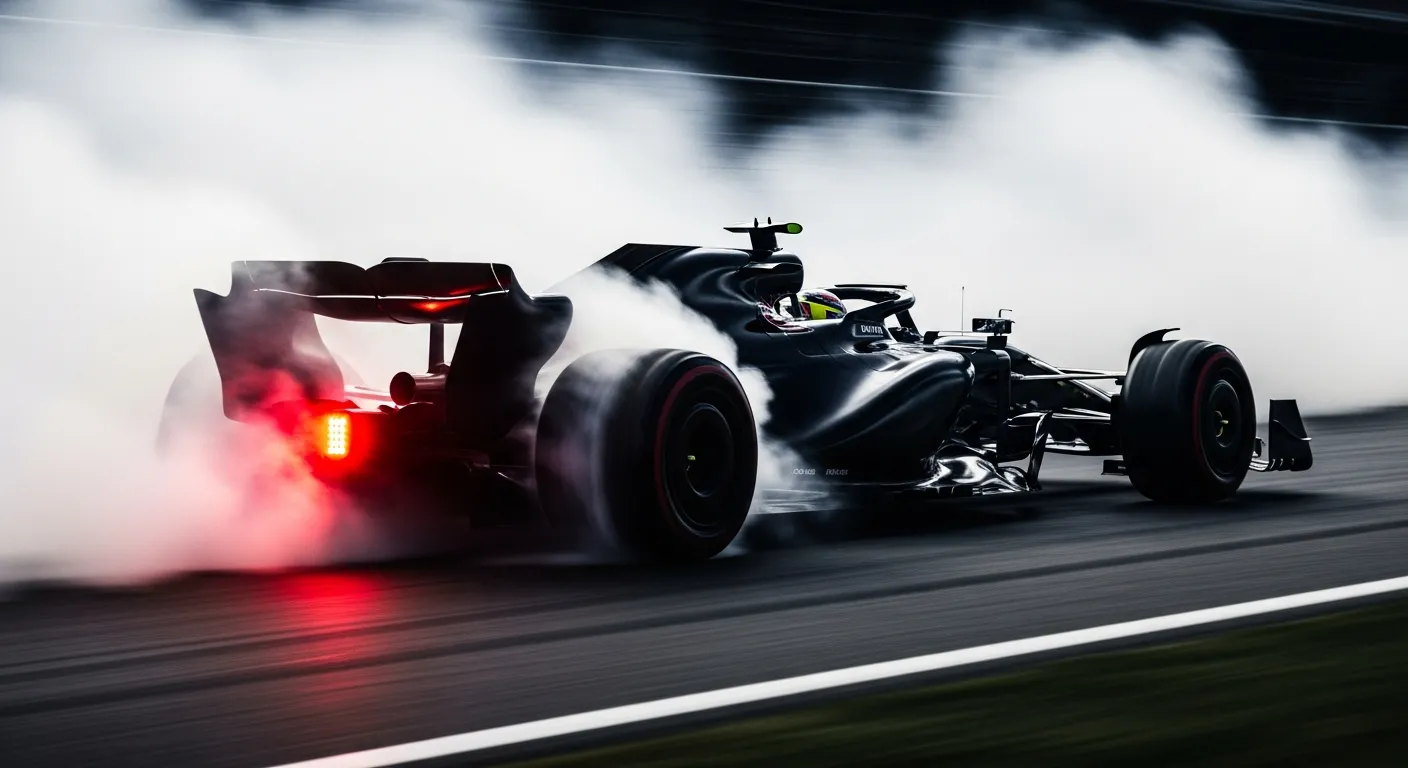
Fernando Alonso's performance at the 2022 Austrian Grand Prix on July 10 at the Red Bull Ring was a demonstration of strategic recovery, converting a P19 grid start into a points-scoring P10 finish for Alpine. This result, achieved over 70 laps, saw Alonso battling through the field after a power unit issue prevented him from starting the Sprint race, relegating him to the back for Sunday's main event. His Alpine A522 showed competitive pace in race trim, particularly in the latter stages, where he recorded a 1:08.558 on lap 62, ranking as the third fastest lap of the race overall, behind only Max Verstappen and Charles Leclerc. This ability to extract speed when it mattered underscored the potential of the Alpine package, even as teammate [Esteban Ocon at the 2026 Dutch Grand Prix](/results/2026-zandvoort-esteban-ocon) finished significantly higher in P5, completing all 71 laps and securing 10 points for the constructor. The gap between Alonso's starting position and his eventual finish highlights the effectiveness of Alpine's race strategy and Alonso's execution, a common thread in his career. For a comprehensive overview of Formula 1 regulations and events, the [official Formula 1 site](https://www.formula1.com/en) provides detailed information on race weekends and championship standings, including archived results.
The race itself was not without incident, with several drivers encountering issues. Carlos Sainz, for instance, suffered a dramatic power unit retirement on lap 56, a significant event that impacted the front of the field and shifted the competitive landscape. Alonso's drive involved meticulous tire management and navigating through midfield traffic, ultimately crossing the line one lap down from race winner Charles Leclerc. The single point gained was a testament to a persistent effort, especially considering the initial grid disadvantage. This kind of performance from a back-of-grid start often requires a combination of driver skill and strategic acumen, as detailed in analyses of [Formula 1 racing](https://en.wikipedia.org/wiki/Formula_One) history and its technical evolution. The strategic decisions made by the Alpine pit wall, combined with Alonso's experience, allowed him to capitalize on opportunities, moving past competitors like [Alexander Albon at the 2026 Dutch Grand Prix](/results/2026-zandvoort-alex-albon), who finished P12, and Daniel Ricciardo, who secured P9. Detailed race data, including specific lap times and sector performance, can be found in archives that track [Formula 1 World Championship data](https://api.jolpi.ca/ergast/f1/2026.json), offering a granular look at individual driver performances and team strategies. The FIA, as the governing body, also provides extensive information on the [FIA Formula One World Championship](https://www.fia.com/events/fia-formula-one-world-championship) and its various events, including technical regulations. This consistent pace, particularly his third-ranked fastest lap, demonstrated that the Alpine A522 had underlying speed, even if circumstances placed him further back on the grid. His ability to recover positions and score points from P19 underscored his enduring capability in the sport, a testament to the veteran's race craft. Further insights into driver careers and team histories can be found on [Wikipedia's comprehensive F1 driver profiles](https://en.wikipedia.org/wiki/List_of_Formula_One_drivers). The [official F1 results page](https://www.formula1.com/en/results.html) also serves as a critical resource for specific race outcomes.