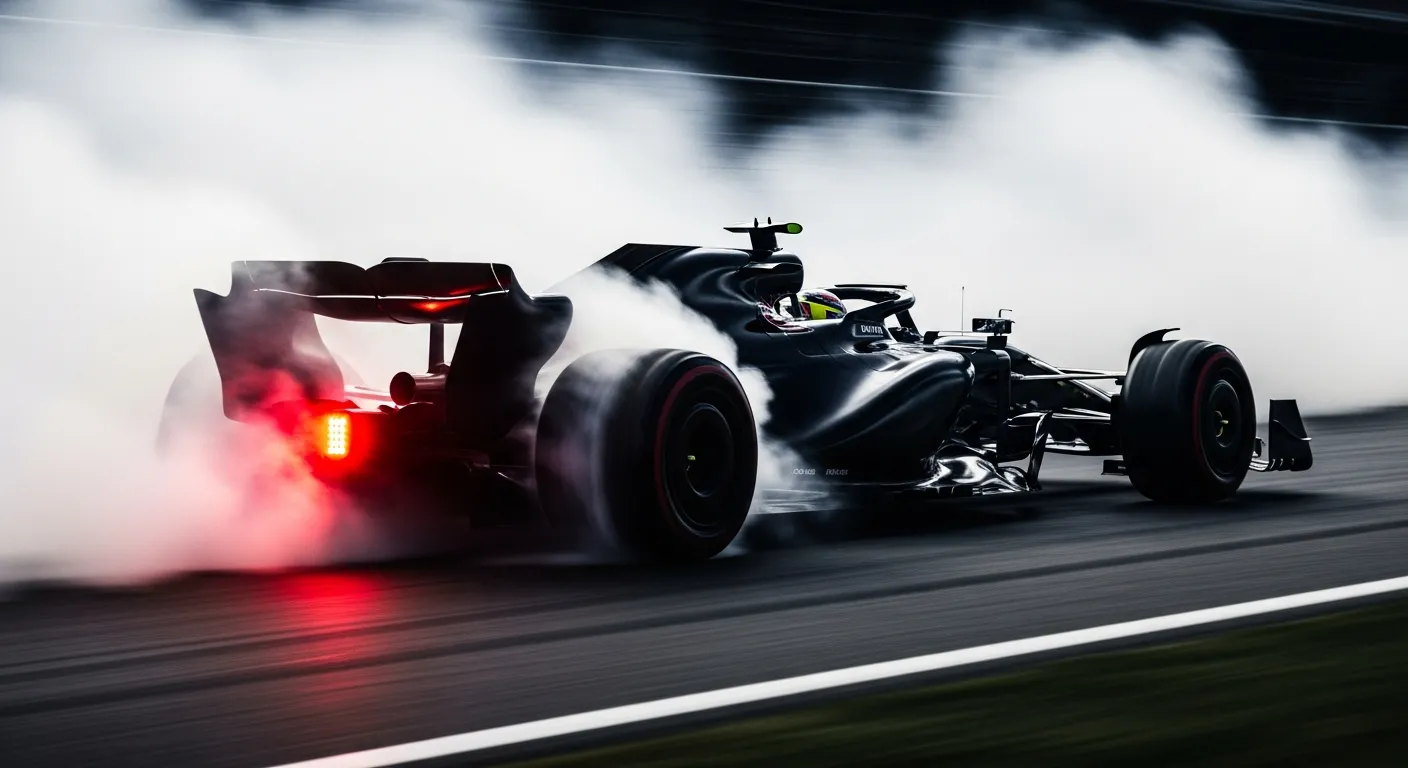
Fernando Alonso's drive at the 2022 Dutch Grand Prix was a masterclass in strategic execution and consistent race pace, seeing him elevate his Alpine F1 Team car from a P13 grid start to a P6 finish at Circuit Park Zandvoort. This result, achieved on September 4, 2022, underscored Alonso's enduring ability to navigate complex race scenarios and extract maximum performance from the A522 chassis. Starting outside the top ten, the Spanish driver systematically worked his way through the field over the demanding 72 laps, ultimately crossing the line with a total race time of 1:37:01.527. His performance was particularly notable given the challenging, high-downforce nature of the Dutch circuit, which often limits straightforward overtaking opportunities, requiring precise timing and strategic foresight. The race was ultimately won by local hero Max Verstappen, showcasing the dominant form of the Red Bull Racing team at their home event, a performance that can be further explored in analyses such as [Max Verstappen at the 2024 Belgian Grand Prix](/results/2024-spa-francorchamps-max-verstappen). Alonso's fastest lap, a 1:14.144 recorded on lap 51, ranked him fourth overall for the race, demonstrating the underlying speed of the Alpine package and his capacity to push when it mattered most, a key characteristic of [Formula 1 racing](https://www.formula1.com/en). This blend of strategic acumen and raw pace allowed him to outmaneuver several competitors, including a decisive move on Lando Norris in the closing stages, and secure a significant 8-point haul for the team. The consistent performance throughout the weekend, culminating in this strong finish, highlighted the robust engineering of the Alpine car as detailed in [FIA technical regulations](https://www.fia.com/events/fia-formula-one-world-championship).
The 8 points collected by Alonso were crucial for Alpine F1 Team's constructors' championship aspirations, especially considering teammate Esteban Ocon also finished in the points, securing P9. While Ocon started P12, just one position ahead of Alonso, the veteran driver managed to gain three more places and six more points than his French counterpart. This differential highlights Alonso's exceptional racecraft, particularly during safety car periods and pit stop cycles that significantly reshaped the running order. The race saw a Virtual Safety Car and a full Safety Car, both of which Alonso leveraged effectively to optimize his tire strategy and gain track position. Ferrari's Carlos Sainz Jr. faced a more challenging outing, finishing P8 after starting P3, an example of how quickly fortunes can shift in the unpredictable environment of an F1 Grand Prix, as seen in other competitive events such as [Carlos Sainz at the 2024 British Grand Prix](/results/2024-silverstone-carlos-sainz). The race also saw AlphaTauri's Yuki Tsunoda retire due to a differential issue on lap 43, an outcome that contrasts sharply with Alonso's robust, full-distance run, a situation not uncommon in the demanding world of [F1 World Championship](https://www.fia.com/events/fia-formula-one-world-championship) events, similar to challenges faced by [Yuki Tsunoda at the 2024 British Grand Prix](/results/2024-silverstone-yuki-tsunoda). Alonso's steady progress and ability to avoid incidents, despite the tight racing and multiple restarts, were instrumental in his P6 finish. His consistent lap times, verifiable through [F1 season data](https://api.jolpi.ca/ergast/f1/2026.json) and detailed in various [Formula One analyses](https://en.wikipedia.org/wiki/Formula_One), allowed him to maintain track position and capitalize on opportunities. This performance at Zandvoort is a testament to the strategic depth required in modern Formula 1 and the driver's ability to execute under pressure, a skill honed over a long career in the sport, influencing his standing in the [official Formula 1 driver standings](https://www.formula1.com/en/drivers.html).