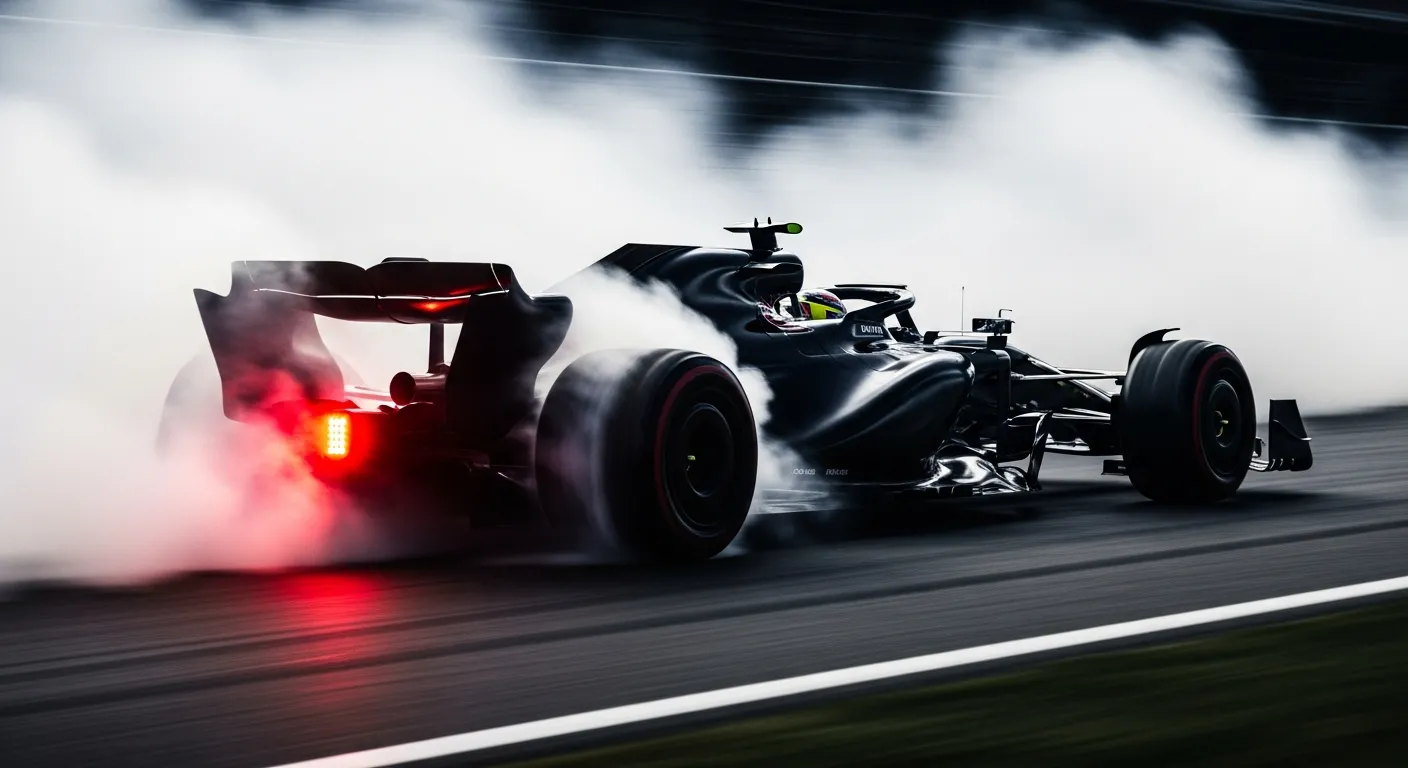
Yuki Tsunoda's performance at the 2023 Spanish Grand Prix saw him improve three positions from his grid slot, navigating the Circuit de Barcelona-Catalunya to a 12th-place finish for Scuderia AlphaTauri, though ultimately without points. Starting from 15th on the grid, Tsunoda demonstrated a consistent race pace, completing all 66 laps of the Grand Prix. The AlphaTauri AT04, while showing flashes of potential, often struggled to contend for points in the competitive midfield throughout the 2023 season, a challenge not unique to the Italian outfit. For instance, teams like Alpine, with drivers such as [Pierre Gasly at the 2026 Austrian Grand Prix](/results/2026-red-bull-ring-pierre-gasly) and [Esteban Ocon at the 2026 Austrian Grand Prix](/results/2026-red-bull-ring-esteban-ocon), were often battling for the lower end of the points. Tsunoda's ability to move forward from his qualifying position indicated a race craft that maximized the package available to him on the day, a common theme for drivers in the midfield battling for every tenth. The official [Formula 1 website](https://www.formula1.com/en) provides detailed race reports that often highlight these midfield battles, offering insights into strategic decisions and on-track overtakes.
Throughout the race, Tsunoda maintained a solid, if not spectacular, rhythm, managing his Pirelli tires across multiple stints. His fastest lap of 1:18.904, recorded on lap 59, placed him 17th overall in the fastest lap rankings for the event. This was slightly slower than his teammate Nyck De Vries, who, despite finishing 14th and a lap down, managed a quicker lap of 1:18.594 on lap 41. The contrast in their race outcomes, with Tsunoda completing the full race distance on the lead lap and De Vries finishing a lap down, underscores the fine margins within the midfield and the importance of consistent execution over the entire Grand Prix distance. The overall context of Formula 1 racing, including its technical regulations, is governed by the [FIA — F1 World Championship](https://www.fia.com/events/fia-formula-one-world-championship). While finishing 12th is a respectable result when starting further back, the objective for Scuderia AlphaTauri was consistently to break into the top ten to secure championship points, a feat that proved elusive on this occasion. The comprehensive [Wikipedia page on Formula One](https://en.wikipedia.org/wiki/Formula_One) offers broader context on the sport's history and challenges, including the evolution of car design and aerodynamic principles. The raw performance data from this and other races, available through sources like [Jolpica/Ergast — 2026 season data](https://api.jolpi.ca/ergast/f1/2026.json), allows for deeper statistical analysis of driver and team trends, such as sector times and tire degradation. The battle for positions often involves strategic tire management and pit stops, factors that can significantly influence a driver's final standing, as seen with drivers like [Fernando Alonso at the 2026 Austrian Grand Prix](/results/2026-red-bull-ring-fernando-alonso) who consistently extracts maximum performance from his machinery. Further analysis of the Spanish Grand Prix weekend, including qualifying sessions and practice times, can be found on the [official F1 site's race archive](https://www.formula1.com/en/results.html/2023/races/1146/spain/race-result.html). Understanding the regulations that dictate car performance and race conduct is crucial, with detailed sporting regulations published by the [FIA](https://www.fia.com/sports/fia-formula-1-world-championship-14/regulations/2023-formula-1-sporting-regulations).