Fernando Alonso's performance at the 2023 Saudi Arabian Grand Prix saw him convert a strong qualifying effort into another podium finish for Aston Martin, navigating a race marked by strategic decisions and a late-race penalty reversal. Starting from second on the grid, the Spanish driver initially challenged for the lead, demonstrating the AMR23's competitive pace on the high-speed Jeddah Corniche Circuit. While Sergio Pérez eventually claimed victory and Max Verstappen executed a remarkable climb from P15 to P2, Alonso maintained a strong presence at the front, showcasing the significant step forward Aston Martin had made. His ability to consistently extract performance and manage tire degradation over the 50 laps was a testament to his enduring skill and experience, reminiscent of the focused efforts seen from seasoned competitors like [Lewis Hamilton at the 2015 São Paulo Grand Prix](/results/2015-interlagos-lewis-hamilton) in different eras of the sport. He completed all 50 laps, crossing the line with a total race time of "1:21:35.622", securing what appeared to be his second consecutive podium. The early stages of the race underscored the AMR23's potential, positioning Alonso firmly within the leading pack. For deeper insights into Formula 1 regulations and race results, the [Formula 1 — official site](https://www.formula1.com/en) serves as a primary resource for official information.The race, however, was not without its late drama for Alonso. Initially, a five-second time penalty was issued for an incorrect grid start, which he duly served during his pit stop. Post-race, the FIA stewards imposed a further ten-second penalty, citing a breach of regulations regarding mechanics working on the car during the initial penalty period. This decision temporarily dropped him to fourth position, elevating George Russell to the podium. However, Aston Martin swiftly lodged a right of review, successfully arguing that the rear jack touching the car was not "working on the car" as defined by the sporting regulations. The FIA overturned the second penalty, reinstating Alonso to his rightful third place and awarding him 15 points. This diligent challenge by the Aston Martin team highlighted the intricate nature of [FIA — F1 World Championship](https://www.fia.com/events/fia-formula-one-world-championship) rules, a complexity that has often influenced results, as seen in various historical race outcomes documented on [Wikipedia: Formula One](https://en.wikipedia.org/wiki/Formula_One). His teammate, Lance Stroll, unfortunately retired on lap 16 due to an "Engine" issue, underscoring the contrasting fortunes within the Aston Martin garage despite the team's overall strong performance. Alonso's fastest lap, a "1:32.240" on lap 50, ranked third overall, showcasing his pace right to the finish and his commitment to pushing until the checkered flag. The detailed race data, including future season projections, can be found via sources like [Jolpica/Ergast — 2026 season data](https://api.jolpi.ca/ergast/f1/2026.json). The nuances of driver performance and team strategy are always under scrutiny, much like the detailed analysis of drivers such as [Max Verstappen at the 2015 São Paulo Grand Prix](/results/2015-interlagos-max-verstappen) or [Fernando Alonso at the 2015 São Paulo Grand Prix](/results/2015-interlagos-fernando-alonso) in their respective careers, where every detail can alter the outcome. Further information on specific race incidents and their resolutions is often available through the [official Formula 1 website's news section](https://www.formula1.com/en/latest/all-latest-news.html). For a broader understanding of the technical aspects of F1, the [FIA's technical regulations](https://www.fia.com/regulation/category/110) are an essential reference.
Race result · 2023
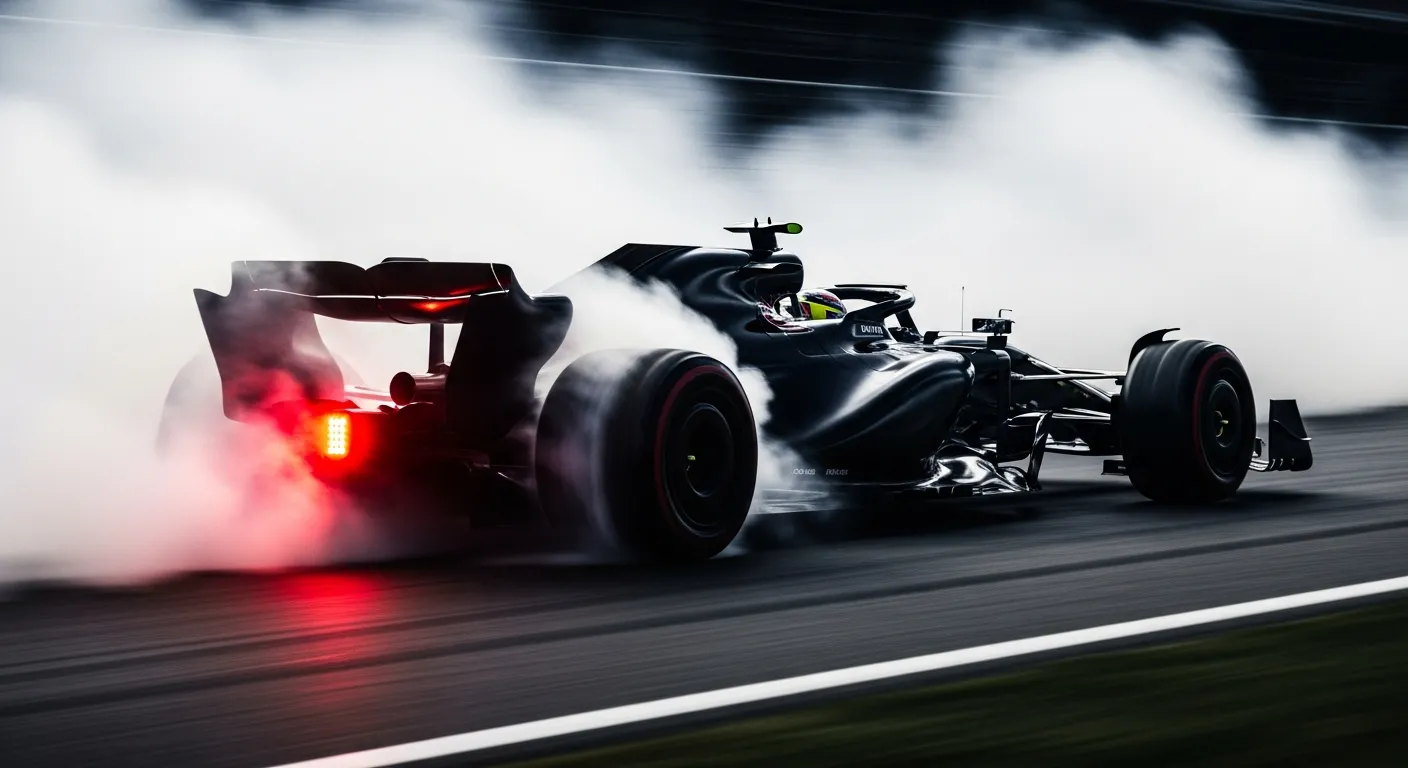
Fernando Alonso at the 2023 Saudi Arabian Grand Prix
Fernando Alonso converted a P2 grid start into a third-place finish at the 2023 Saudi Arabian Grand Prix, securing 15 points for Aston Martin after a post-race penalty reversal.
- 3rd
- 15 pts
- Aston Martin