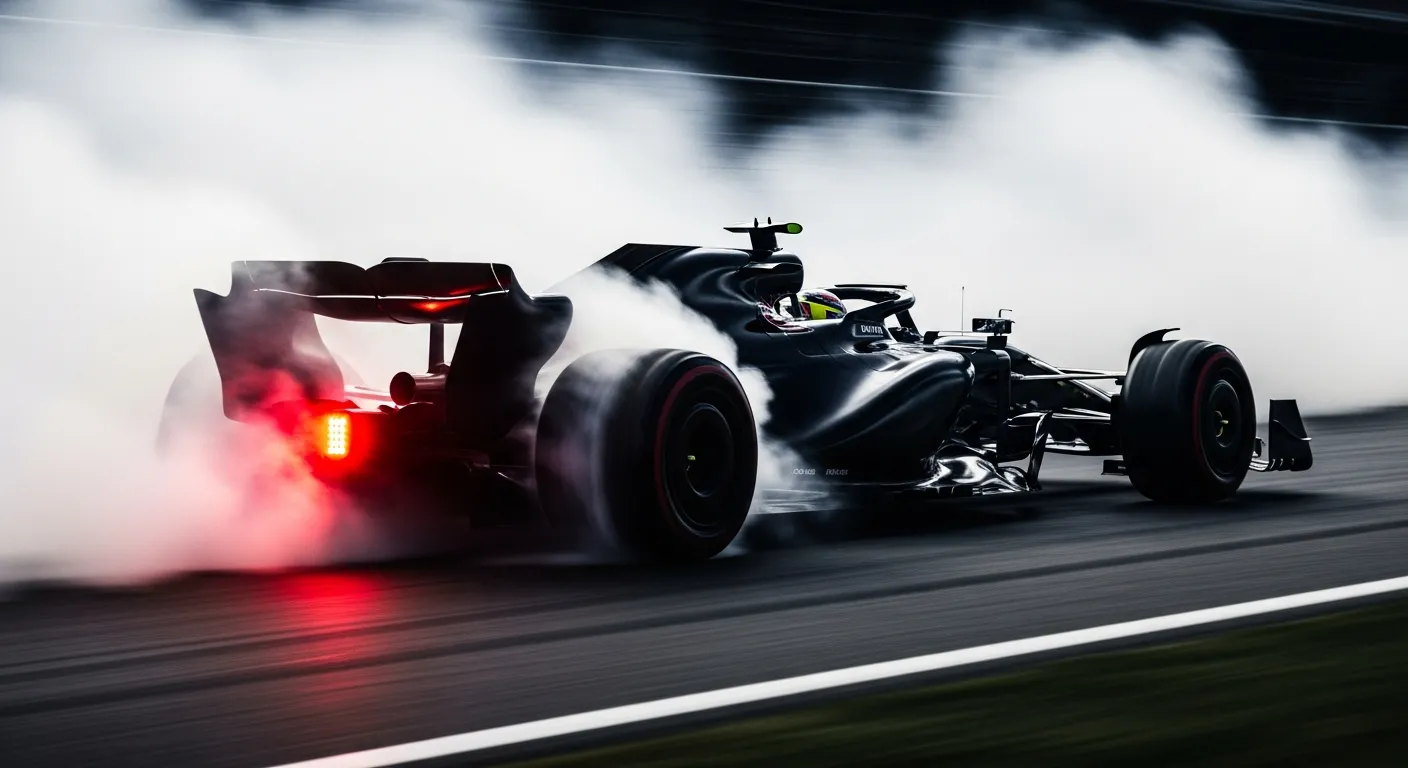
Nico Hülkenberg's second race back in a full-time F1 seat saw him navigate the demanding Jeddah Corniche Circuit at the 2023 Saudi Arabian Grand Prix, converting a strong tenth-place qualifying start into a twelfth-place finish for the Haas F1 Team. Starting from grid position 10, Hülkenberg aimed to capitalize on the Haas VF-23's pace, a performance reminiscent of his consistent drives in previous seasons, such as his outing at the [2019 Canadian Grand Prix](/results/2019-montreal-nico-hulkenberg). The high-speed nature of Jeddah, a track known for its challenging sequences and close walls, demands precision and strategic race management from the outset. Throughout the 50-lap event, Hülkenberg maintained a consistent pace, completing the race in 1:22:25.482, demonstrating the reliability of the Haas package on this demanding circuit. For a comprehensive overview of the season, the [official Formula 1 site](https://www.formula1.com/en) provides detailed race reports and driver standings, crucial for understanding the broader championship narrative. Further insights into race day operations are often discussed within the [FIA — F1 World Championship](https://www.fia.com/events/fia-formula-one-world-championship) regulatory framework.
While Hülkenberg finished just outside the points, his teammate Kevin Magnussen secured a single point with a tenth-place finish, highlighting the competitive mid-field battle. Hülkenberg's fastest lap of 1:33.780, recorded on lap 50, ranked him twelfth overall for fastest laps, indicating a late-race push. This performance underscores the intense competition within the sport, where even minor gains can significantly alter grid positions. The strategic nuances of pit stops and tire management on a circuit like Jeddah are critical, as seen in the broader field where drivers like [Max Verstappen at the 2019 Austrian Grand Prix](/results/2019-red-bull-ring-max-verstappen) have demonstrated the impact of optimal strategy. Understanding the technical specifications and regulations, as detailed on [Wikipedia: Formula One](https://en.wikipedia.org/wiki/Formula_One), is key to appreciating these performances. Despite not scoring points, Hülkenberg's drive provided valuable data for the American team, contributing to their understanding of the car's performance envelope. Further analysis of historical and current race metrics can be found through resources like [Jolpica/Ergast's F1 data](https://api.jolpi.ca/ergast/f1/2026.json), offering a deeper dive into driver and constructor trends. These data points are essential for teams to refine their setups and strategies for upcoming events, with detailed statistical breakdowns available from various [F1 data archives](https://api.jolpi.ca/ergast/f1/2026.json), including comparisons to other midfield contenders such as [Carlos Sainz at the 2019 Canadian Grand Prix](/results/2019-montreal-carlos-sainz). The team's ongoing development efforts are always a point of focus for the [Formula 1 — official site](https://www.formula1.com/en) coverage.