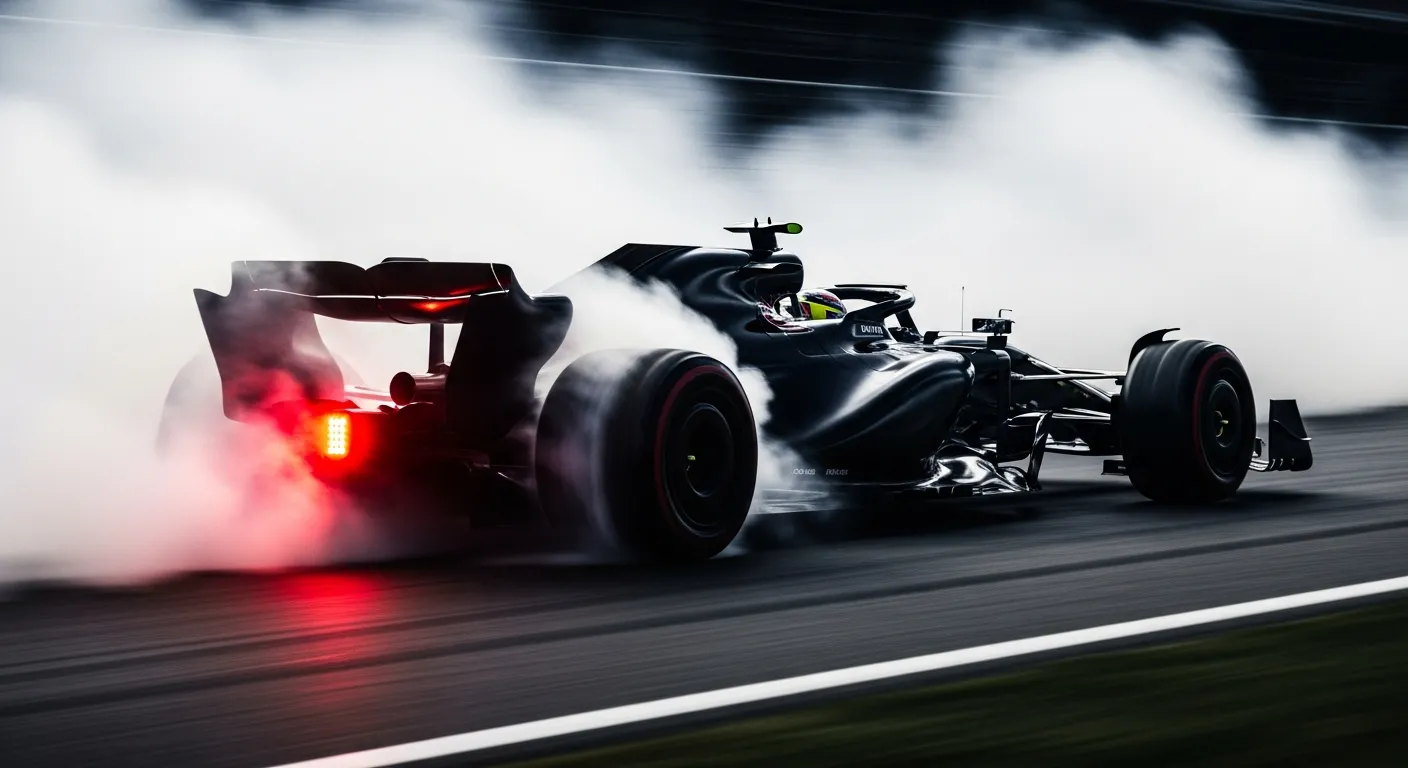
Lance Stroll's campaign at the 2023 Qatar Grand Prix on October 8th at the Lusail International Circuit saw him complete the race in 11th position, an improvement from his 16th-place grid start. Despite the gain, the Canadian driver for Aston Martin concluded the 57-lap event without scoring championship points, finishing with a total race time of 1:29:00.820. The race was notable for its intense physical demands on drivers, a factor that played into various performances across the grid. Stroll's teammate, Fernando Alonso, demonstrated the potential of the Aston Martin AMR23 by securing a 6th-place finish, highlighting a performance delta within the team. This contrast often draws attention to individual driver adaptations to specific circuit conditions, a dynamic seen in many F1 seasons, including instances like [Fernando Alonso at the 2016 Austrian Grand Prix](/results/2016-red-bull-ring-fernando-alonso) where team performance varied. Understanding the broader context of Formula 1 racing requires consulting resources like the [official Formula 1 site](https://www.formula1.com/en) for detailed race reports and technical analyses. The conditions and regulations for each Grand Prix are meticulously managed by the [FIA — F1 World Championship](https://www.fia.com/events/fia-formula-one-world-championship).
Throughout the 57 laps, Stroll recorded his fastest lap on lap 55, clocking a 1:26.352, which ranked as the 10th fastest overall in the race. This late-race pace suggests a degree of optimization or adaptation as the Grand Prix progressed, even if it wasn't enough to break into the top ten. The conditions at Lusail, characterized by high temperatures and humidity, presented a significant challenge for all competitors, influencing tire management and driver endurance. For a comprehensive overview of the sport's structure and history, the [Wikipedia page on Formula One](https://en.wikipedia.org/wiki/Formula_One) offers valuable context. While Stroll finished just shy of the points, his drive from 16th to 11th demonstrated a consistent effort in a race where other drivers, such as [Nico Hülkenberg at the 2016 Canadian Grand Prix](/results/2016-montreal-nico-hulkenberg), also faced battles in the midfield. The dominant performance at the front, exemplified by [Max Verstappen at the 2016 Austrian Grand Prix](/results/2016-red-bull-ring-max-verstappen) (who also won the 2023 Qatar GP), further underscored the varied challenges faced by drivers across the grid, a dynamic often tracked through [official Formula 1 data](https://www.formula1.com/en). The raw statistical data from each race is crucial for analysis, and platforms like [Jolpica/Ergast for F1 season data](https://api.jolpi.ca/ergast/f1/2026.json) provide access to these comprehensive records. Further details on Grand Prix events can always be found on the [Formula 1 official website](https://www.formula1.com/en).