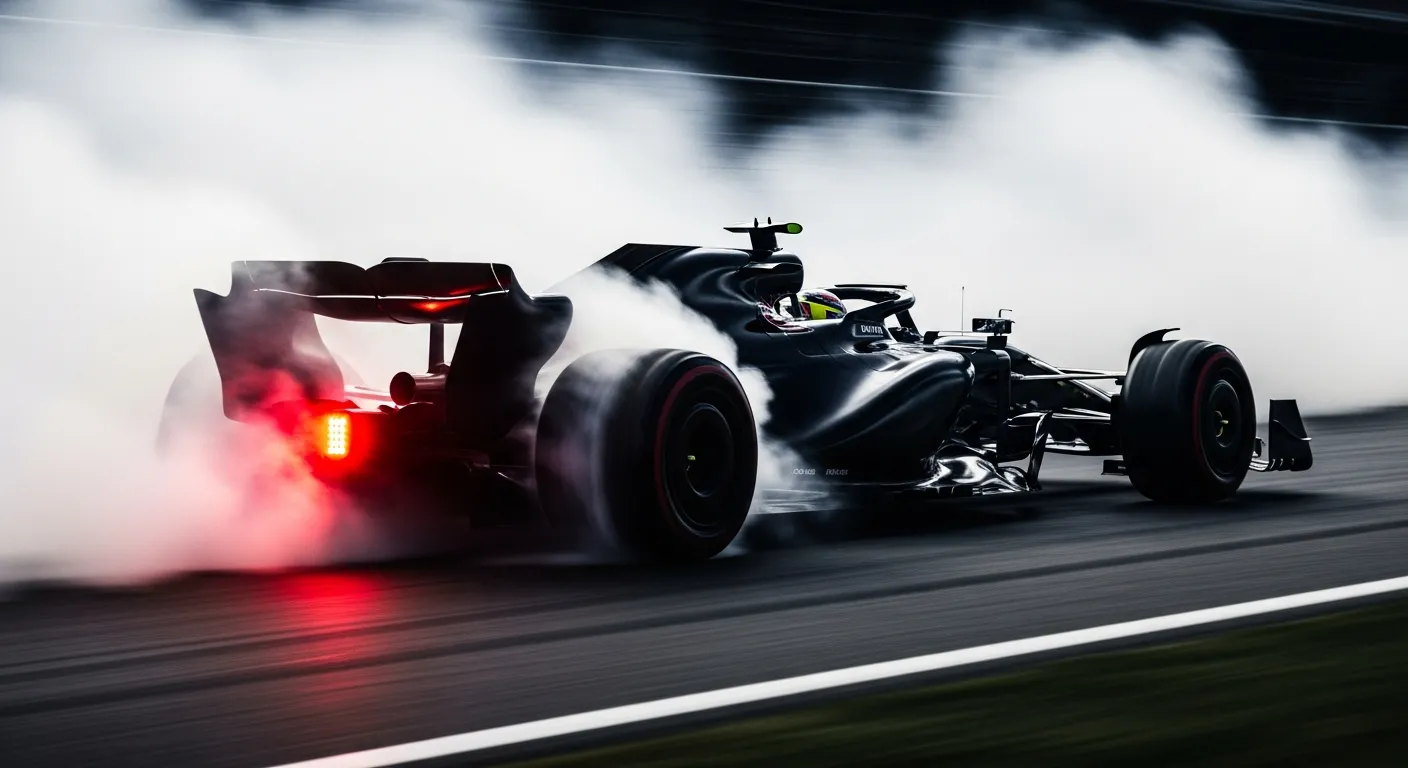
Lewis Hamilton's performance at the 2023 Miami Grand Prix on May 7 showcased a notable recovery, transforming a challenging qualifying result into a strong points finish for Mercedes AMG F1. Starting from 13th on the grid, Hamilton systematically worked his way through the field over the 57 laps, ultimately crossing the finish line in 6th position. This drive demonstrated his ability to manage tire degradation and execute overtakes on a circuit that had proven tricky for many competitors throughout the weekend. The Miami International Autodrome presented a unique set of challenges, and Hamilton's navigation of these, culminating in a final race time of 1:28:29.490, underscored his race craft. His fastest lap, a 1:30.669 on lap 57, ranked him 4th overall for that metric, indicating strong pace towards the end of the race, a testament to strategic tire management and the W14's performance in race trim. Further insights into driver performance and detailed race analysis can often be found on the [Formula 1 — official site](https://www.formula1.com/en), which provides comprehensive reports.
The strategic landscape of the Miami Grand Prix was complex, with varying tire strategies playing out across the grid. Hamilton's teammate, George Russell, started from 6th and finished 4th, securing 12 points. The contrasting grid positions and eventual finishes for the Mercedes drivers highlight the dynamic nature of F1 strategy and on-track execution. For a broader understanding of how these events contribute to the overall championship, one can consult the [FIA — F1 World Championship](https://www.fia.com/events/fia-formula-one-world-championship) for detailed standings and regulatory frameworks governing the sport. Hamilton's ability to advance seven positions from his starting spot mirrored the kind of determined drives seen in other seasons, such as his own charge at the [Lewis Hamilton at the 2014 Italian Grand Prix](/results/2014-monza-lewis-hamilton), where he also demonstrated significant on-track progression. The official race results and points awarded for this round are meticulously documented, as shown by historical records available via [Jolpica/Ergast — 2026 season data](https://api.jolpi.ca/ergast/f1/2026.json), offering a deep dive into statistical race outcomes.
The race saw Max Verstappen, who started 9th, claim victory, demonstrating the potent package of the Red Bull. Hamilton's drive, while not a podium, was crucial for Mercedes in the constructor's battle, adding 8 points to their tally. His consistent pace, particularly in the latter stages, allowed him to maintain pressure and capitalize on opportunities. The intricacies of F1 car design and performance, which underpin such drives, are often detailed on platforms like [Wikipedia: Formula One](https://en.wikipedia.org/wiki/Formula_One), providing context to the technical aspects of the sport and its history. Comparing this performance to other seasoned drivers, such as [Fernando Alonso at the 2014 Italian Grand Prix](/results/2014-monza-fernando-alonso), who also consistently extract maximum performance, offers insight into the enduring quality of top-tier talent. This race further solidified Hamilton's position in the championship. The evolution of race strategies and their impact on driver performance is a constant area of study within the sport, often analyzed using vast datasets available from various [Formula 1 data archives](https://www.formula1.com/en/results.html). Even drivers like [Nico Hülkenberg at the 2014 Italian Grand Prix](/results/2014-monza-nico-hulkenberg) have shown that strong race pace can lead to significant gains from challenging grid slots. Hamilton's P6 finish, while not a win, was a solid result given the starting position and the competitive nature of the 2023 field, underscoring the importance of every point in a championship battle. The strategic choices made by Mercedes for the 2023 Miami Grand Prix were ultimately effective in securing valuable championship points. For a deeper understanding of the technical regulations that govern car development, the [FIA's technical regulations](https://www.fia.com/sports/regulations/formula-1-regulations) are the definitive source.