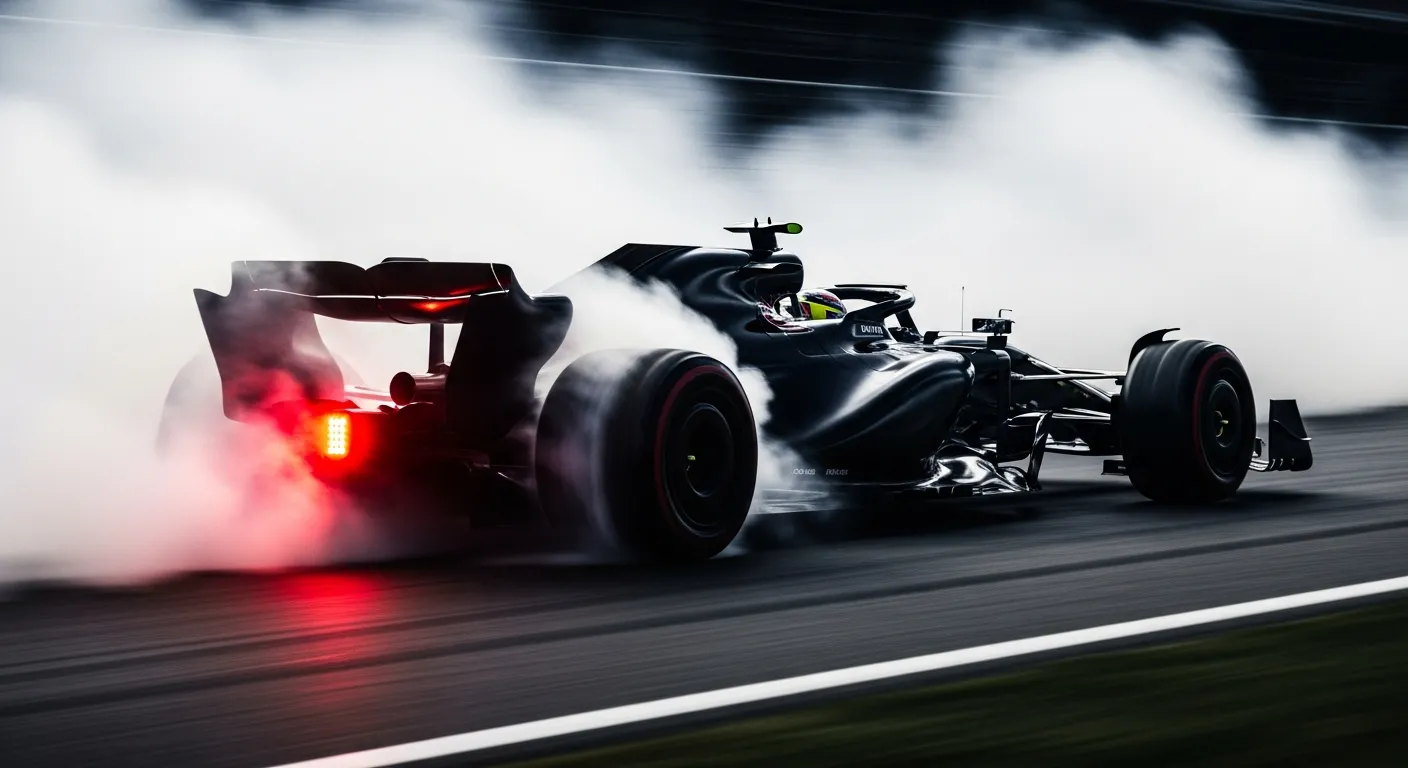
Oscar Piastri's outing at the 2023 Canadian Grand Prix on June 18 saw the McLaren driver navigating a competitive midfield, ultimately finishing P11 and just outside the points. Starting from P8 on the grid at the Circuit Gilles Villeneuve, Piastri completed all 70 laps of the race with a total time of 1:35:03.449. This result marked a slight regression from his qualifying position, a common challenge in the tightly packed mid-grid battles of [Formula 1](https://www.formula1.com/en). The intricacies of the Montreal circuit, with its demanding chicanes and high-speed straights, often test a car's aerodynamic efficiency and power unit performance, as documented by [Formula 1's official analysis](https://www.formula1.com/en).
The race saw Piastri maintain a consistent pace, recording his fastest lap on lap 59 with a time of 1:16.598, which placed him 11th in the overall fastest lap rankings for the event. While his McLaren teammate, [Lando Norris](https://www.formula1.com/en/drivers/lando-norris.html), started one position ahead in P7, Norris also finished outside the points in P13, indicating the broader performance envelope of the McLaren MCL60 at this specific venue. The strategic complexities of the Montreal circuit, known for its high-speed sections and chicanes, often demand a delicate balance between outright pace and tire management, factors that can significantly influence race outcomes for teams across the grid. Understanding the nuances of these race weekends requires a deep dive into [F1 data structures](https://api.jolpi.ca/ergast/f1/2026.json) to analyze performance trends and driver consistency, a key aspect of the sport's technical side. Piastri's performance, while not yielding points, showcased his ability to bring the car home in challenging conditions, a critical aspect of a rookie season. The battle for midfield supremacy was evident throughout the race, with drivers like [Esteban Ocon at the 2026 British Grand Prix](/results/2026-silverstone-esteban-ocon) and [Alexander Albon at the 2026 British Grand Prix](/results/2026-silverstone-alex-albon) often finding themselves in similar close-quarters racing scenarios. The technical regulations set forth by the [FIA — F1 World Championship](https://www.fia.com/events/fia-formula-one-world-championship) continuously shape car development, influencing how teams like McLaren approach circuits with varying demands. Piastri's race pace against competitors, including those who ultimately scored points such as Valtteri Bottas in P10, highlights the fine margins in modern F1. The Australian driver's consistent lap times, including his 1:16.598, demonstrate his capacity to extract performance, even if the overall package on the day was not sufficient for a points finish. This race provided further experience in a season where every lap counts for a developing driver, much like the progression seen in drivers such as [Carlos Sainz at the 2026 British Grand Prix](/results/2026-silverstone-carlos-sainz) in their early careers. The comprehensive history of [Formula One](https://en.wikipedia.org/wiki/Formula_One) is replete with examples of drivers building their foundation through such challenging weekends, a testament to the evolving nature of the championship as overseen by the [FIA](https://www.fia.com/events/fia-formula-one-world-championship).