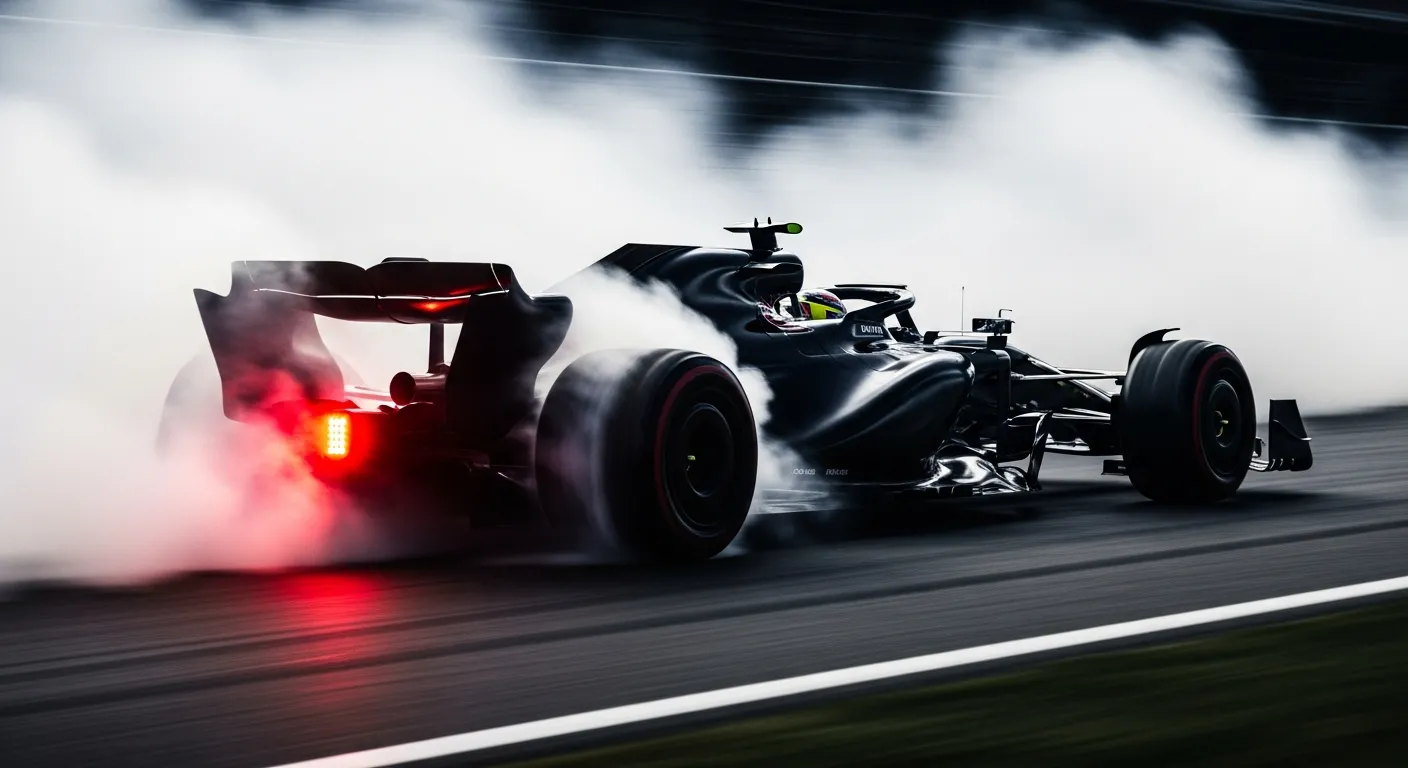
Pierre Gasly's performance at the 2023 Austrian Grand Prix saw him skillfully manage a competitive midfield battle to bring home Alpine's sole point from the Red Bull Ring. Starting from P9 on the grid, Gasly completed all 71 laps of the race, crossing the finish line in P10 with a total race time of 1:26:41.274. This result, while a slight drop from his starting position, was crucial for the French constructor, securing a valuable single point in a tightly contested weekend. The Alpine A523, as detailed on the [Formula 1 — official site](https://www.formula1.com/en), faced stiff competition, particularly from McLaren, who showed significant pace improvements. Gasly's ability to maintain a top-ten position underscored his consistent race craft, especially when compared to his teammate, Esteban Ocon, who started P12 but finished P14, a lap down on the leaders. The nuances of the [Red Bull Ring circuit](https://www.formula1.com/en/racing/2023/Austria/Circuit.html) often create such close-fought battles, demanding precise driving and strategic execution.
The race at Spielberg's challenging circuit, known for its high-speed sections and elevation changes, demanded precision and strategic tire management. Gasly's fastest lap of 1:09.046, recorded on lap 48, placed him 7th overall in fastest lap rankings, indicating moments of strong pace within the race. This demonstrated the potential of the Alpine package even as other teams brought upgrades. The strategic decisions made by the Alpine pit wall, in conjunction with Gasly's feedback, were critical in navigating the race's nuances, including managing track limits penalties that affected several drivers throughout the weekend, a common occurrence under [FIA — F1 World Championship](https://www.fia.com/events/fia-formula-one-world-championship) regulations. His drive here showcased the kind of resilience seen from drivers like [Fernando Alonso at the 2020 United States Grand Prix](/results/2020-cota-fernando-alonso), who often maximized opportunities in challenging conditions. The data from the [Jolpica/Ergast — 2026 season data](https://api.jolpi.ca/ergast/f1/2026.json) archives, while for a future season, illustrates the granular detail available for performance analysis, much like how Gasly's lap-by-lap data would be scrutinized. Maintaining a points-scoring position against a resurgent McLaren, particularly the strong showing by Lando Norris, who finished P4, was a testament to Gasly's focus. This contrasts with some of the more difficult outings for Alpine, such as [Esteban Ocon at the 2020 United States Grand Prix](/results/2020-cota-esteban-ocon) where the team faced different challenges. The overall context of a Formula One season, as explored on [Wikipedia: Formula One](https://en.wikipedia.org/wiki/Formula_One), highlights how every point contributes to the constructors' standings, making this P10 finish a valuable, albeit small, gain. The Red Bull Ring's unique characteristics often lead to close racing, and Gasly's ability to hold his ground, despite the pressure from behind, was a key aspect of his race. His consistent pace was critical in fending off drivers like Alexander Albon, who finished P11, just outside the points. This performance provided a solid foundation, unlike the challenges faced by [Lando Norris at the 2020 United States Grand Prix](/results/2020-cota-lando-norris) in a different era of McLaren's development. For a deeper dive into the sport's intricacies, the [official Formula 1 technical regulations](https://www.formula1.com/en/latest/article.formula-1-rules-and-regulations-2023-all-the-key-changes-explained.1sJq2u91wH16n0i8a5L4jM.html) offer further insight into the framework drivers operate within.