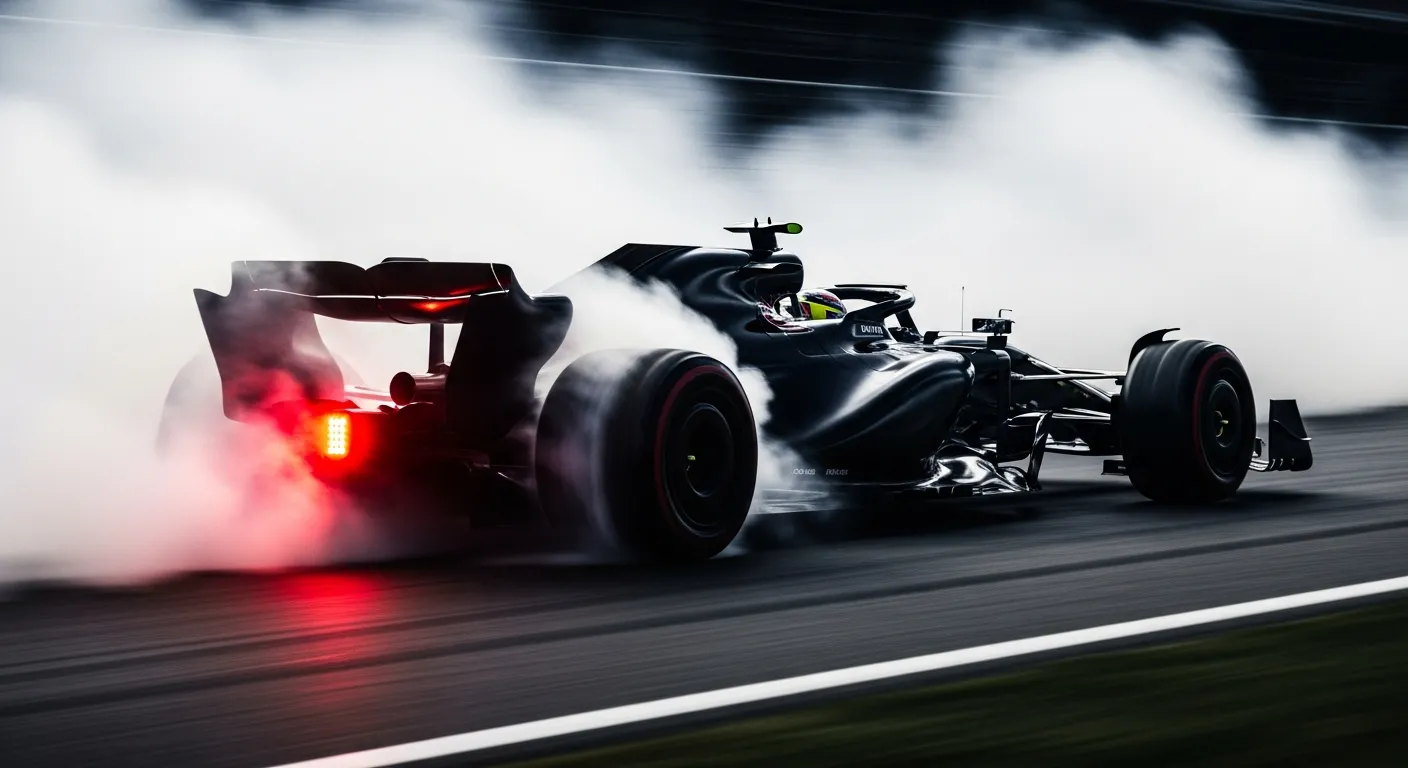
Nico Hülkenberg's campaign at the 2023 Japanese Grand Prix saw him navigate the challenging Suzuka Circuit to secure a 14th-place finish for Haas F1 Team. Starting from 18th on the grid, Hülkenberg demonstrated a measured race pace, improving four positions over the course of the event. He completed 52 laps, one lap down from the race winner, and registered a notable fastest lap of "1:37.250" on lap 44. This lap time placed him 9th overall among all competitors for the fastest single lap, a strong individual metric even if it didn't translate into championship points. The demanding nature of the Suzuka track often highlights car performance disparities, and Hülkenberg's ability to climb the order, as detailed in the comprehensive [Formula 1 official site](https://www.formula1.com/en) race reports, underscored a consistent effort in the midfield. His teammate, Kevin Magnussen, finished just one position behind in 15th, also completing 52 laps, suggesting the Haas package operated within a similar performance window across both cars during this round.
Despite the steady drive and the individual pace shown on lap 44, the overall performance envelope of the Haas F1 Team's VF-23 at Suzuka meant that breaking into the top ten remained a significant challenge. Hülkenberg's 14th place, though an improvement from his starting position, did not yield any additional points, leaving his season tally at 9. This scenario often plays out for teams battling in the lower midfield, where even well-executed races might not translate to championship points, a common theme across the [FIA — F1 World Championship](https://www.fia.com/events/fia-formula-one-world-championship) season. For instance, while drivers like [Carlos Sainz at the 2025 Chinese Grand Prix](/results/2025-shanghai-carlos-sainz) regularly contend for higher points finishes, Hülkenberg's battle was further back. The granular race data, often compiled and analyzed by resources like [Jolpica/Ergast — 2026 season data](https://api.jolpi.ca/ergast/f1/2026.json), frequently illustrates the tight competition and marginal gains required to move up the grid. His performance was akin to the challenges faced by drivers such as [Yuki Tsunoda at the 2025 Chinese Grand Prix](/results/2025-shanghai-yuki-tsunoda), who also found themselves outside the points despite solid efforts. The broader strategic and technical landscape of Formula One, as explored on [Wikipedia: Formula One](https://en.wikipedia.org/wiki/Formula_One), dictates that sustained points finishes require a confluence of driver skill, car development, and race strategy, a balance Haas continued to seek. His result here was comparable to [Esteban Ocon at the 2025 Chinese Grand Prix](/results/2025-shanghai-esteban-ocon) who also battled in the lower points/upper midfield.