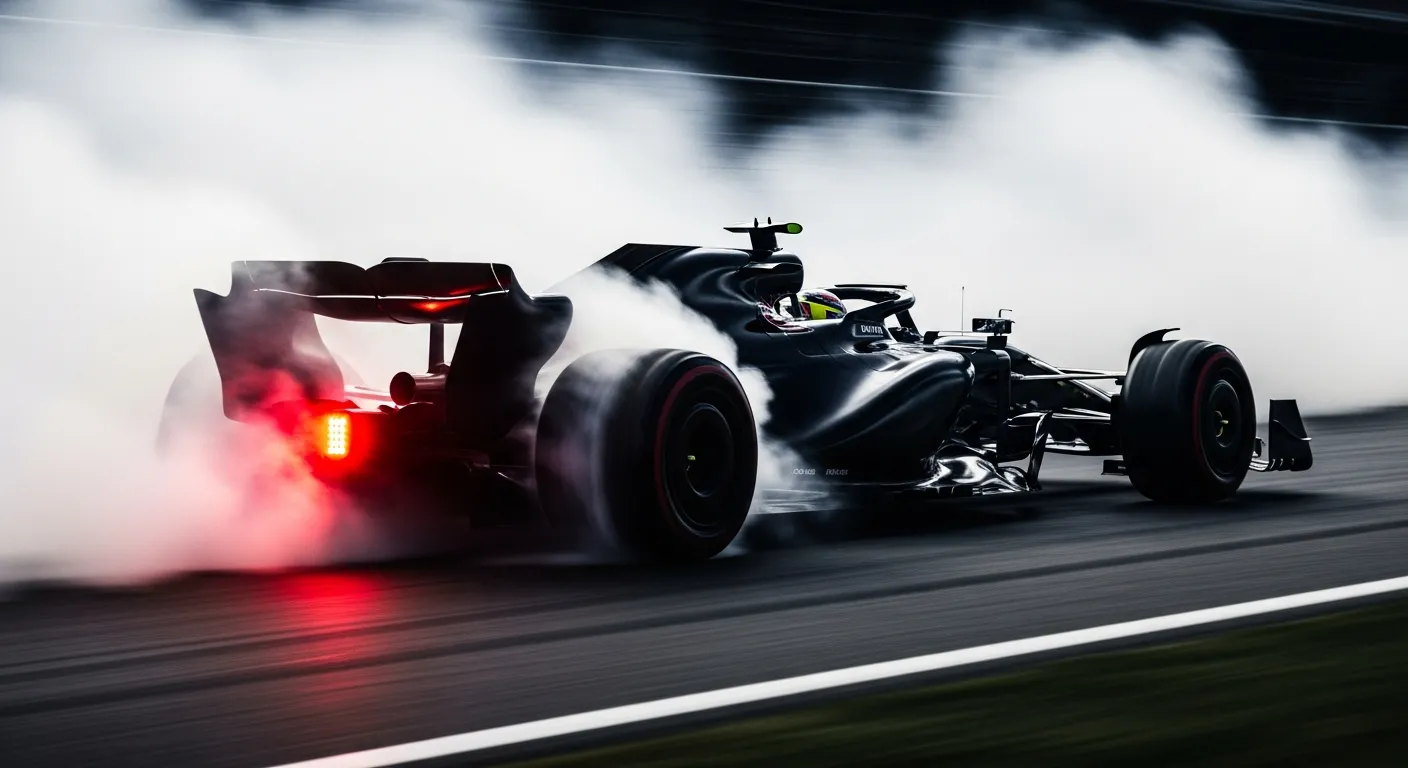
Alexander Albon's performance at the 2024 Hungarian Grand Prix saw the Williams driver convert a P13 grid start into a P14 finish, ultimately completing 69 laps and remaining just outside the points. The Hungaroring, with its challenging, twisty layout, often compresses the field and makes overtakes a premium, a factor that played into Albon's ability to largely hold his ground from qualifying. While his fastest lap of 1:23.930 on lap 31 positioned him 20th in that specific metric, it underscored the persistent challenge for Williams Grand Prix Engineering to extract consistent pace needed to break into the top ten. The strategic considerations for a team in this position often involve managing tire degradation and capitalizing on any potential safety car periods, elements critical for any driver competing in the demanding environment of the [Formula 1 — official site](https://www.formula1.com/en) championship.
Albon's teammate, Logan Sargeant, started P14 and finished P17, also completing 69 laps. A notable aspect of Sargeant's race was his impressive fastest lap of 1:20.561 on lap 65, ranking second overall for the entire race. This stark difference in fastest lap performance, despite similar final standings and both cars finishing one lap down, suggests divergent race strategies or perhaps a late-race push from Sargeant on fresher tires, highlighting the complex interplay of factors beyond raw pace. Such variations within a team's performance can be crucial for development, as seen in the contrasting fortunes of drivers like [Carlos Sainz at the 2016 Chinese Grand Prix](/results/2016-shanghai-carlos-sainz), who managed a points finish in a challenging midfield, or even the battle for position that saw [Nico Hülkenberg at the 2016 Chinese Grand Prix](/results/2016-shanghai-nico-hulkenberg) finish just ahead of Albon's current P14. The detailed race telemetry and results, often compiled into comprehensive databases like those accessible via [Jolpica/Ergast — 2026 season data](https://api.jolpi.ca/ergast/f1/2026.json), allow analysts to dissect these individual performances and compare them to historical data, such as [Max Verstappen at the 2016 Japanese Grand Prix](/results/2016-suzuka-max-verstappen) where strategic calls also shaped outcomes. Understanding the broader context of Formula One's evolution and technical demands is also aided by resources such as [Wikipedia: Formula One](https://en.wikipedia.org/wiki/Formula_One). The Hungarian Grand Prix often tests a car's aerodynamic efficiency and driver stamina, and for Albon, securing P14 meant navigating these demands without incident.