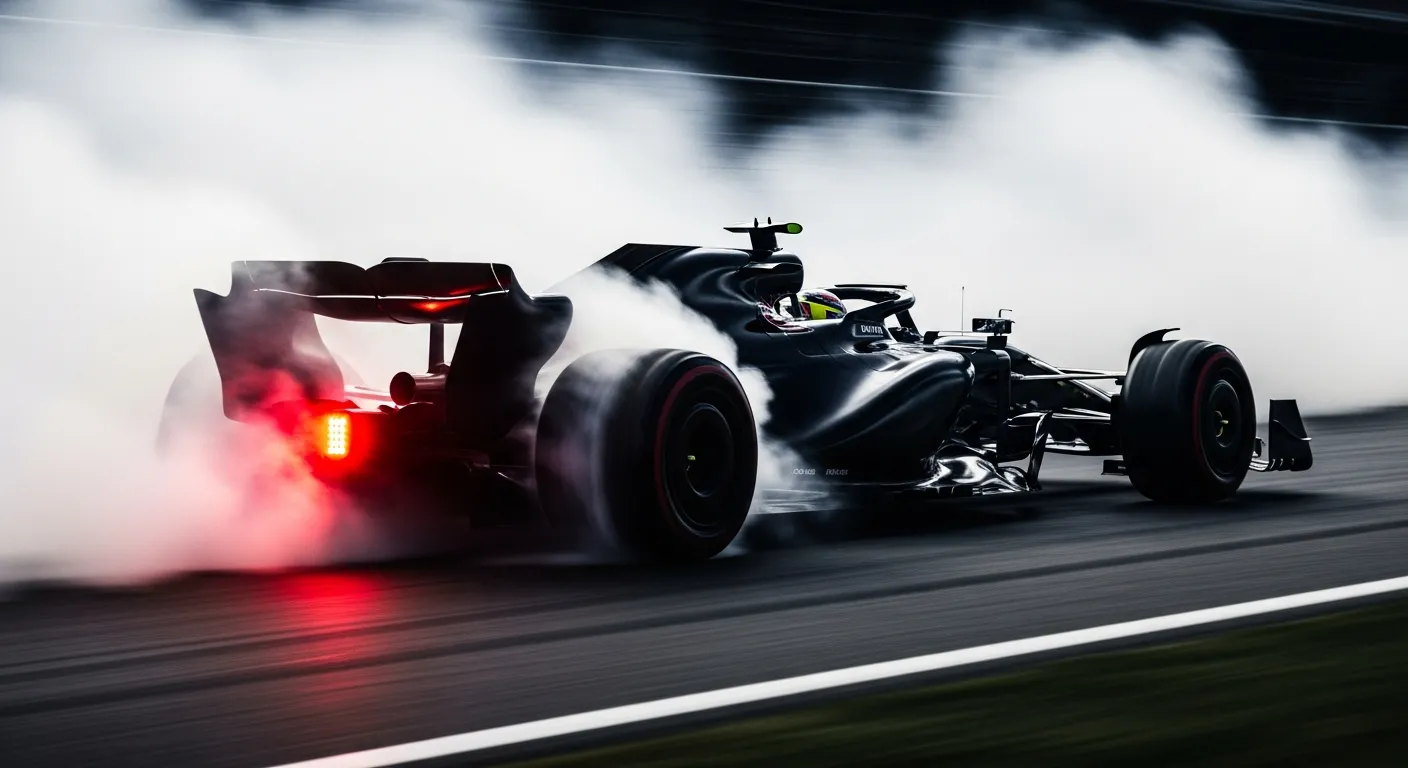
The 2024 Hungarian Grand Prix proved to be an abbreviated and ultimately unrewarding event for Pierre Gasly and the Alpine F1 Team, culminating in a retirement on lap 33. Starting from an unrecorded grid position for the race at the Hungaroring, a circuit known for its tight, technical layout and demanding conditions, Gasly's efforts were cut short by a critical hydraulics issue. This mechanical failure forced him out of contention, meaning he completed only 33 laps of the scheduled 70, preventing him from scoring any points and marking a significant setback for the French driver and his constructor. The DNF underscores the persistent reliability challenges that can plague even the most meticulously engineered machines in the demanding environment of [Formula 1 — official site](https://www.formula1.com/en). Such technical setbacks are a stark reminder of the intricate balance between performance and durability that teams constantly strive to achieve, a core tenet of the [FIA — F1 World Championship](https://www.fia.com/events/fia-formula-one-world-championship). For a team like Alpine, every point is crucial in the constructors' standings, and a mechanical retirement is a missed opportunity that impacts their season trajectory, as seen in the broader context of [Formula 1 news and updates](https://www.formula1.com/en).
Despite the early retirement, Gasly did manage to log a fastest lap of 1:23.340 on lap 31, placing him 15th fastest in the overall field. This individual lap performance, while not contributing to points, offers a small data point regarding the car's potential pace before the hydraulics issue became terminal. The Hungaroring, with its continuous corners and limited straights, places a premium on mechanical grip and aerodynamic efficiency, making a reliable hydraulic system vital for steering, braking, and gear shifts. The contrast with his teammate, Esteban Ocon, who completed 69 laps and finished 18th, highlights a difficult weekend for the Alpine garage as a whole, with neither car able to secure points. For Gasly, this race at the Hungaroring adds to the narrative of a 2024 season marked by fluctuating fortunes, a journey that will undoubtedly see him push for stronger results in upcoming events, much like his anticipated participation in races such as [Pierre Gasly at the 2025 Belgian Grand Prix](/results/2025-spa-francorchamps-pierre-gasly). The detailed performance metrics, including sector times and top speeds, are critical for engineers to diagnose issues and optimize future setups, all meticulously tracked by comprehensive data platforms like [Jolpica/Ergast — 2026 season data](https://api.jolpi.ca/ergast/f1/2026.json). The broader context of Grand Prix racing, as explored on [Wikipedia: Formula One](https://en.wikipedia.org/wiki/Formula_One), reveals that mechanical DNFs are an inherent part of the sport's challenge, impacting drivers across the grid, from front-runners like [Oscar Piastri at the 2025 Belgian Grand Prix](/results/2025-spa-francorchamps-oscar-piastri) to strategic contenders such as [George Russell at the 2025 Belgian Grand Prix](/results/2025-spa-francorchamps-george-russell). The Alpine team will now focus on a thorough post-race analysis to address the hydraulics failure and ensure improved reliability for the remainder of the season, a continuous process in the relentless pursuit of performance in modern F1, as teams continually refine their strategies and car designs, often highlighted in [official F1 updates](https://www.formula1.com/en).