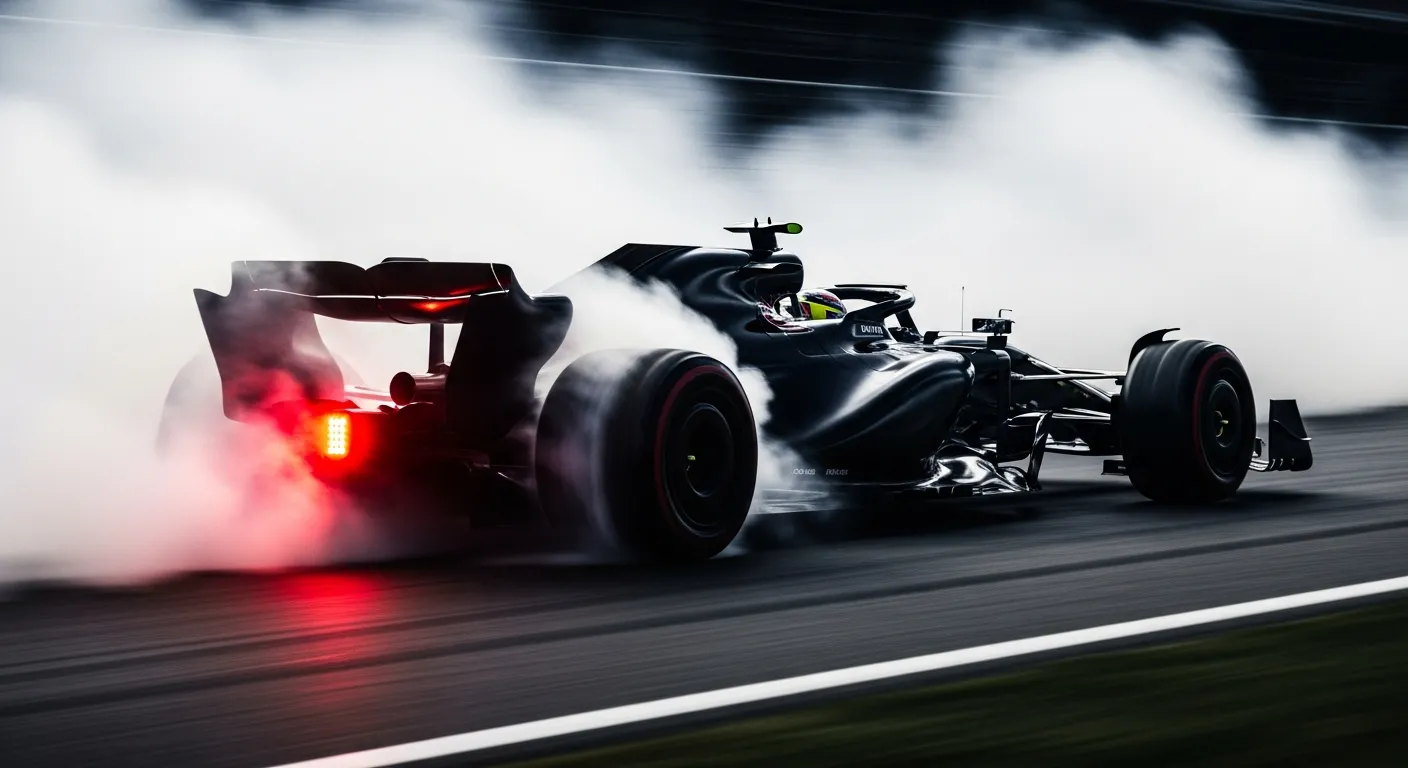
Esteban Ocon's outing at the 2024 Saudi Arabian Grand Prix on March 9, 2024, saw the French driver improve four positions from his starting grid slot, ultimately finishing 13th for Alpine F1 Team. Starting from 17th on the grid at the demanding Jeddah Corniche Circuit, a track known for its high-speed sections and tight walls, Ocon completed 49 laps of the race, classified one lap down from the winner. This result underscored the challenging start to the season for the Enstone-based squad, as both Alpine cars struggled for pace throughout the weekend. The race itself was significantly shaped by an early safety car period, triggered on lap 5 by Lance Stroll's accident. This incident offered a strategic window for many teams to pit under caution, effectively neutralizing early race gaps and reshuffling the order. Ocon’s teammate, Pierre Gasly, unfortunately retired very early in the race due to a gearbox issue after completing only one lap, leaving Ocon as the sole Alpine representative for the vast majority of the event. This placed additional pressure on Ocon to bring the car home and gather crucial data, especially given the team's ongoing search for performance. Understanding the fundamental rules governing such events and technical regulations is key, as detailed on the [FIA — F1 World Championship](https://www.fia.com/events/fia-formula-one-world-championship) official site.
Despite the A524 car's inherent pace limitations, which were evident across the practice and qualifying sessions, Ocon demonstrated his characteristic race craft. He maintained position and made progress where possible in the challenging street circuit environment, navigating the high-speed corners and close proximity to barriers without incident. His fastest lap of 1:33.481, recorded on lap 48, ranked 17th among all competitors, underscoring the car's mid-field standing rather than any significant breakthrough in raw speed. While no championship points were secured, the drive saw Ocon bring the car home ahead of several other competitors who started higher, including Yuki Tsunoda, who began from 9th, and Daniel Ricciardo, from 14th. The strategic decisions made by teams during the safety car period proved critical for optimizing track position, and while Alpine didn't capitalize on it for a points finish, Ocon's consistent running allowed him to avoid further incidents and complete the race. For a comparative view of how drivers manage race conditions and strategic calls under pressure, one might look at performances like [Max Verstappen at the 2016 Italian Grand Prix](/results/2016-monza-max-verstappen), [Lewis Hamilton at the 2016 Italian Grand Prix](/results/2016-monza-lewis-hamilton), or [Fernando Alonso at the 2016 Italian Grand Prix](/results/2016-monza-fernando-alonso), where strategic nuances also played a significant role. The comprehensive data for this and other F1 seasons, including intricate lap-by-lap details, is available through resources like [Jolpica/Ergast — 2026 season data](https://api.jolpi.ca/ergast/f1/2026.json). Further context on the sport's structure and history can be found on [Wikipedia: Formula One](https://en.wikipedia.org/wiki/Formula_One).