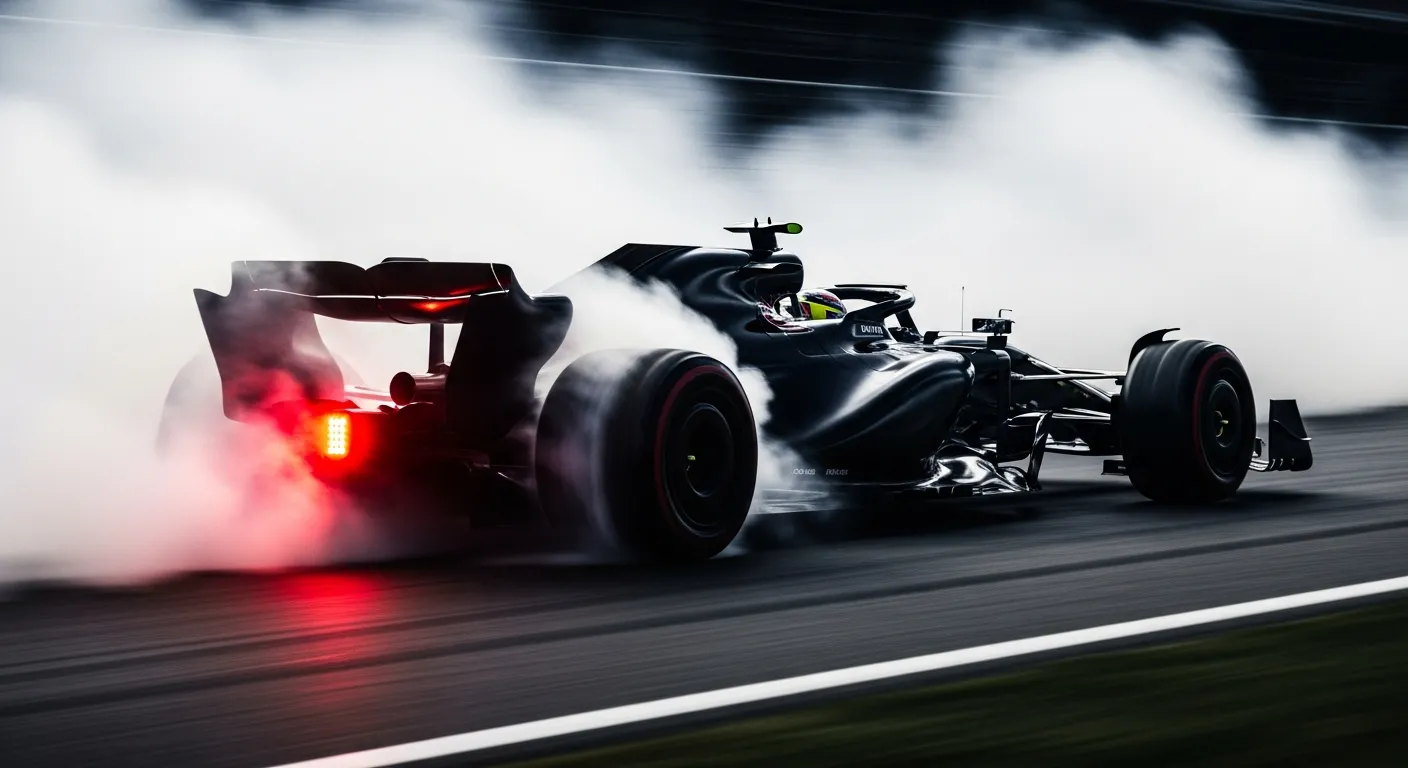
Lewis Hamilton's outing at the 2024 Saudi Arabian Grand Prix was characterized by a strategic tire gamble under an early safety car, a decision that ultimately influenced his race trajectory and final standing. Starting from grid position 8, Hamilton completed all 50 laps for Mercedes AMG F1, concluding the race in position 9 and securing 2 championship points. The race began with a strong start for the British driver, but the complexion of the event shifted dramatically on lap 5 when Lance Stroll's accident triggered a safety car period. This pivotal moment presented a critical strategic fork for the entire grid. While many competitors, including his teammate George Russell, opted for an immediate pit stop to switch to hard tires, Hamilton remained on track. This initially elevated him to third position, a bold move designed to capitalize on clear air and potentially run a longer first stint, a common tactic analyzed on the [official Formula 1 site](https://www.formula1.com/en).
However, the subsequent need for a pit stop later in the race meant relinquishing track position, a common challenge in [Formula 1](https://www.formula1.com/en) strategy when out of sync with the main pack. As the race progressed, Hamilton found himself needing to make up ground, a task made difficult on the high-speed Jeddah Corniche Circuit. Despite the strategic complexities, Hamilton demonstrated strong underlying pace, recording the second-fastest lap of the race on lap 38 with a time of "1:31.746". This performance highlights the W15's single-lap potential, even if race management proved more intricate. His teammate, George Russell, who started from grid position 7, navigated the race to finish in position 6, securing 8 points. Russell's earlier pit stop under the safety car ultimately provided a more straightforward path to a higher finish, underscoring the varied outcomes of different strategic choices within the same team. The contrast in their races offers a compelling case study for analysts reviewing [FIA F1 World Championship](https://www.fia.com/events/fia-formula-one-world-championship) strategies.
The race also saw impressive performances from other drivers, such as Oliver Bearman's debut for Ferrari, who finished seventh after starting eleventh. Hamilton's battle for position often placed him in direct contention with drivers like Lando Norris, who finished just ahead in eighth. The high-speed nature of the Jeddah circuit, detailed in [Wikipedia's overview of Formula One](https://en.wikipedia.org/wiki/Formula_One), consistently produces intense racing. For a deeper dive into historical race data and driver performances, resources like [Jolpica/Ergast's F1 season data](https://api.jolpi.ca/ergast/f1/2026.json) provide extensive records, allowing for comparative analysis across seasons and events. This particular Grand Prix, while not a podium finish for Hamilton, provided valuable data for Mercedes AMG F1 regarding tire management and strategic flexibility, echoing challenges faced by drivers such as [George Russell at the 2020 Abu Dhabi Grand Prix](/results/2020-yas-marina-george-russell). The nuances of such decisions are often the difference between a points finish and a higher placement, a factor that has shaped many careers, including [Lewis Hamilton's own past performances](/results/2020-yas-marina-lewis-hamilton). The strategic depth required in modern F1 is always a talking point, and the [FIA — F1 World Championship](https://www.fia.com/events/fia-formula-one-world-championship) provides the regulatory framework. The data from this event will undoubtedly inform Mercedes' approach to upcoming rounds, as they continue to refine the W15's performance envelope, much like [Fernando Alonso's strategic drives](/results/2020-yas-marina-fernando-alonso) have often demonstrated resilience.