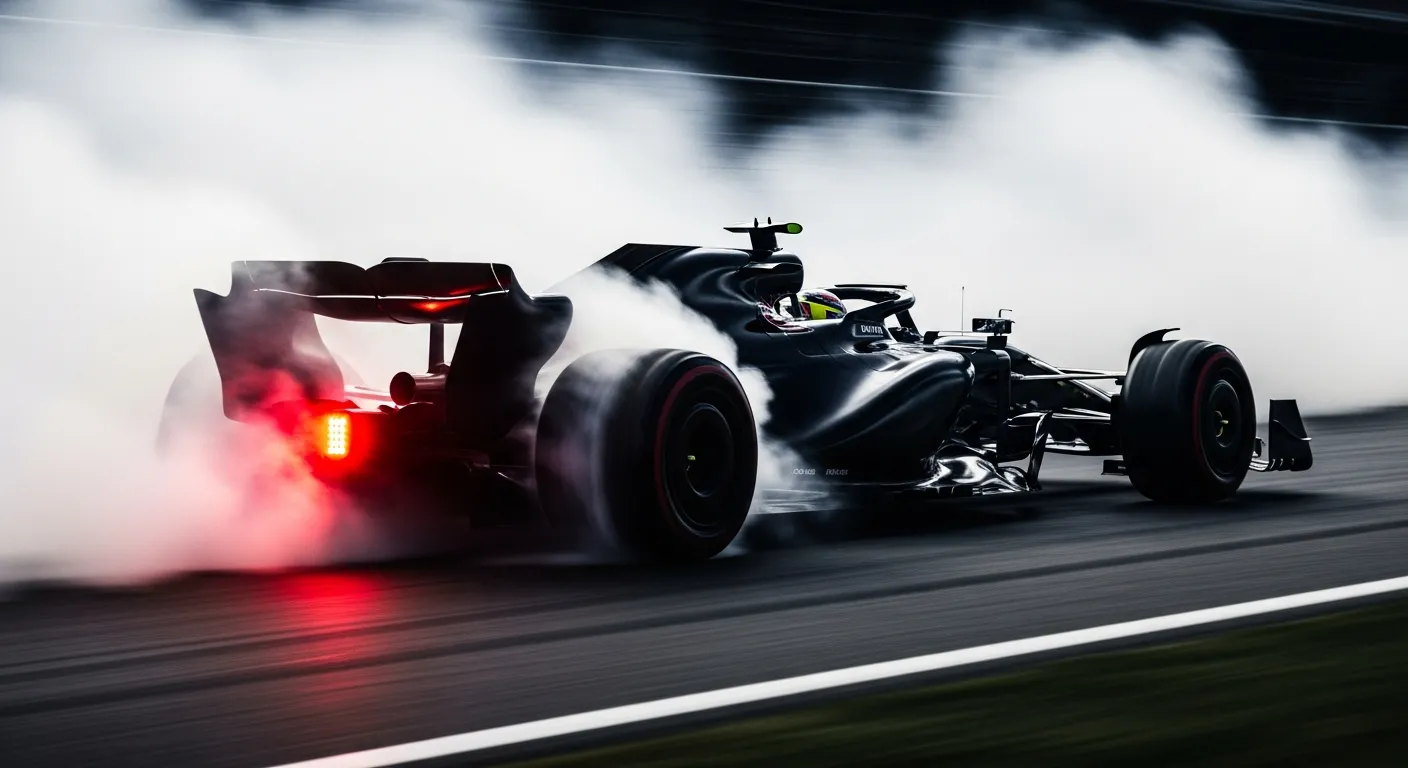
Fernando Alonso's campaign at the 2024 Las Vegas Grand Prix culminated in an 11th-place finish for Aston Martin, a result that saw him advance five positions from his P16 grid start but ultimately yielded no championship points.
Alonso, starting from 16th on the grid, immediately faced the challenge of navigating the high-speed Las Vegas Street Circuit. The initial phase of the race saw him making measured progress through the midfield, a testament to his experience in managing early-lap chaos and the unpredictable nature of street circuits. His Aston Martin AMR24 demonstrated a consistent pace, allowing him to maintain position and look for opportunities, gradually climbing through the order. By lap 39, Alonso recorded his fastest lap of the race, a 1:36.553, ranking 10th overall among all drivers' fastest laps. This pace, achieved late in the race, indicates periods of strong performance and effective tire management within the 50-lap event. The ability to extract competitive lap times, even when not in a points-scoring position, underscores the relentless competitive environment of Formula 1, where every tenth of a second is critical, as detailed on the [Formula 1 official site](https://www.formula1.com/en). His teammate, Lance Stroll, starting two positions behind at P18, finished 15th, further highlighting the tight margins within the Aston Martin camp on this particular weekend and the challenge of converting raw pace into tangible results.
Despite the consistent effort over 50 laps, completing the race in 1:23:15.164, the Spanish driver found himself just outside the points-scoring positions. The strategic decisions and on-track battles, reminiscent of the intense midfield fights seen in races like [Carlos Sainz at the 2018 Dutch Grand Prix](/results/2018-zandvoort-carlos-sainz), meant that every overtake and defensive move was crucial for gaining track position on the demanding Las Vegas layout. While the Aston Martin showed flashes of potential, particularly in Alonso's fastest lap, converting that into championship points proved elusive, a common scenario for teams battling in the competitive midfield. The FIA's regulations for the [FIA — F1 World Championship](https://www.fia.com/events/fia-formula-one-world-championship) stipulate that only the top ten finishers are awarded points, making the 11th position a frustrating outcome after a hard-fought race. This outcome, where a driver finishes just outside the points, is a recurring narrative in F1, often dictating the ebb and flow of a team's championship standing, a dynamic that can be further explored through historical [Wikipedia: Formula One](https://en.wikipedia.org/wiki/Formula_One) race data. For Alonso, this marked a weekend where the raw pace was present, but the ultimate reward remained just out of reach, a scenario not dissimilar to [Max Verstappen at the 2018 Italian Grand Prix](/results/2018-monza-max-verstappen) where strategic nuances and track position heavily influenced the final result. The Aston Martin team will undoubtedly analyze the telemetry, including the detailed data available from sources like [Jolpica/Ergast — 2026 season data](https://api.jolpi.ca/ergast/f1/2026.json), to understand how to bridge that gap in future street circuit events and maximize their performance potential. His performance, moving up five places from his starting grid, showed resilience, echoing the determined drives seen from drivers like [Nico Hülkenberg at the 2018 Dutch Grand Prix](/results/2018-zandvoort-nico-hulkenberg) in challenging circumstances.