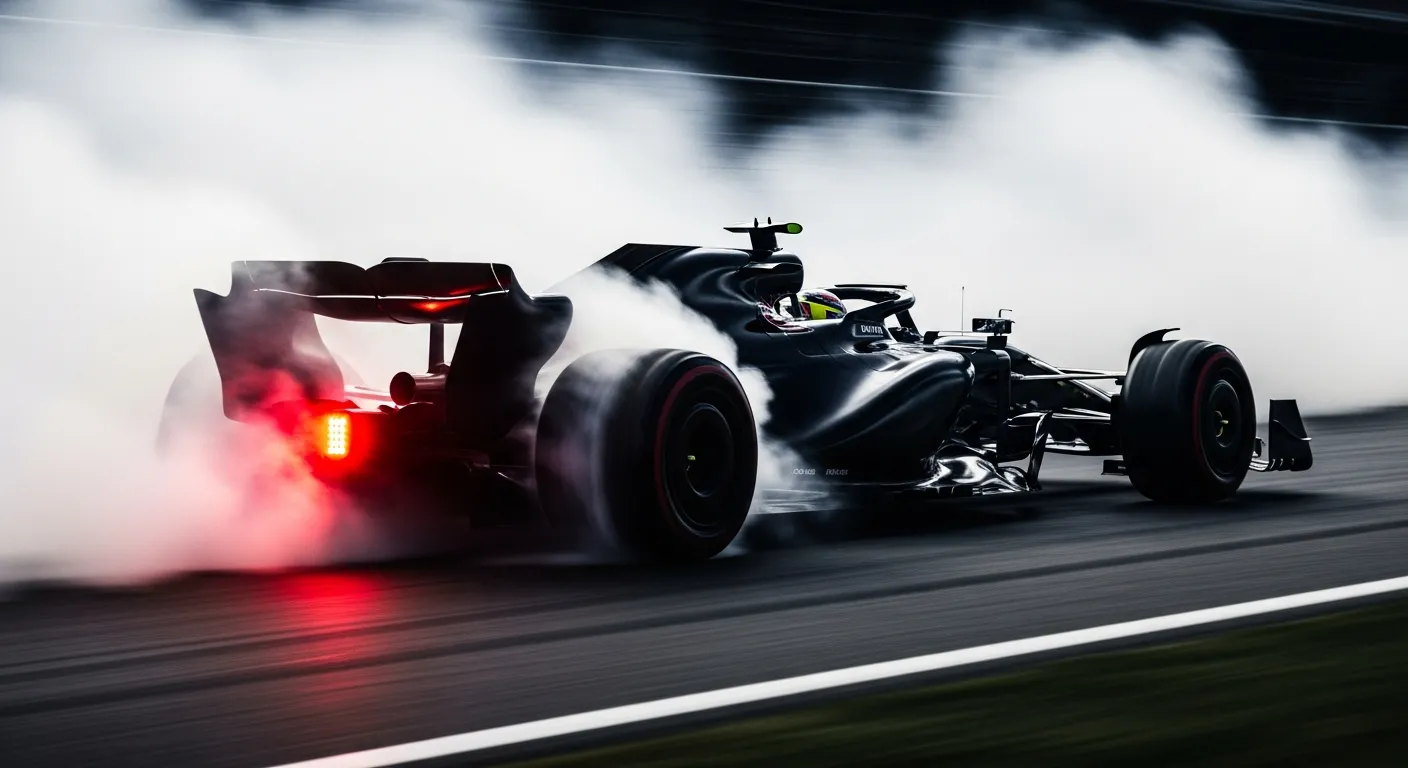
Alexander Albon's participation in the 2024 Mexican Grand Prix at the Autódromo Hermanos Rodríguez was abruptly cut short, concluding on the opening lap with a "Collision" status and zero laps completed. Starting from a promising ninth position on the grid, the Williams Grand Prix Engineering driver's race was over before it truly began, a stark contrast to the competitive start he had achieved in qualifying. This incident meant Albon registered no points for the round, a frustrating outcome for both the driver and his team, especially given the potential for points from such a strong grid slot. The immediate retirement prevented any opportunity to demonstrate the FW46's race pace at high altitude, leaving questions about what might have been.
The early stages of any Grand Prix are often fraught with risk, particularly at circuits like Mexico City with its tight Turn 1. While the specific details of the collision that ended Albon's race are subject to further analysis by the [FIA — F1 World Championship](https://www.fia.com/events/fia-formula-one-world-championship), the outcome was definitive: a DNF for the Thai driver. This incident stands in contrast to the race unfolding around him, where drivers like Lando Norris, who ultimately secured second place, navigated the chaotic opening lap to build their race. The data from the [Jolpica/Ergast — 2026 season data](https://api.jolpi.ca/ergast/f1/2026.json) confirms Albon's zero laps, highlighting the immediate impact of the contact and the loss of any opportunity to compete. Such an early exit is a significant setback, particularly when a driver has qualified strongly, as Albon did from ninth.
For Williams Grand Prix Engineering, this early exit for Albon put the onus entirely on his teammate, Franco Colapinto, who started from 16th on the grid and managed to complete 70 laps, finishing 12th. While Colapinto's performance provided valuable data and a solid run, the loss of one car so early in the race undoubtedly impacted the team's strategic options and overall points potential. Such an outcome underscores the fine margins in Formula 1, where a strong qualifying effort, like Albon's ninth-place start, can be undone in moments. The broader context of the [Formula 1 — official site](https://www.formula1.com/en) championship shows how crucial every race is for midfield teams vying for constructor points. Albon's early retirement here echoes the challenges faced by other drivers in similar situations, such as [Liam Lawson at the 2025 Italian Grand Prix](/results/2025-monza-liam-lawson), who also experienced a DNF, albeit for different reasons.
The 2024 Mexican Grand Prix ultimately saw Carlos Sainz Jr. take the victory, with a race that featured its own share of drama and tactical battles. For Albon, however, the race was a non-event, a statistical footnote marked by an unfortunate collision. This type of incident is a constant reminder of the unpredictable nature of motorsport, where even the best preparations can be derailed by external factors. Understanding the dynamics of such race starts is a key area of focus for teams, as detailed in various analyses of [Wikipedia: Formula One](https://en.wikipedia.org/wiki/Formula_One) race strategies. The immediate consequences of a collision at the start are often severe, impacting not only the involved drivers but also potentially triggering safety car periods or red flags, altering the entire race dynamic as seen in other events on the [Formula 1 calendar](https://www.formula1.com/en/racing/2024.html).