Lewis Hamilton's performance at the 2024 Abu Dhabi Grand Prix was a masterclass in strategic race management and overtakes, transforming a challenging P16 grid start into a commendable P4 finish. The Mercedes AMG F1 driver navigated the 58 laps of the Yas Marina Circuit with precision, securing 12 crucial points for his team. His race pace was particularly notable, evidenced by his 1:27.278 lap time on lap 44, which stood as the second-fastest lap of the entire event. This strong recovery drive underscored the W15's potential in race trim, allowing Hamilton to steadily climb through the order, a detailed analysis of which can be found on the [Formula 1 — official site](https://www.formula1.com/en). The drive placed him one position ahead of his teammate, [George Russell at the 2021 British Grand Prix](/results/2021-silverstone-george-russell), who finished P5 from a P6 grid start, contributing to a significant points haul for Mercedes. Hamilton's ascent from P16 to P4 was one of the race's most compelling narratives, standing out even as Lando Norris secured the victory and Carlos Sainz Jr. claimed second. While [Lewis Hamilton at the 2021 British Grand Prix](/results/2021-silverstone-lewis-hamilton) presented a different kind of challenge, his Abu Dhabi drive highlighted his enduring ability to extract performance under pressure. The strategic decisions from the Mercedes pit wall, coupled with Hamilton's execution, enabled him to gain 12 positions, a vital effort in the constructors' championship battle. This type of comeback is a recurring theme in the sport, with drivers like [Charles Leclerc at the 2021 British Grand Prix](/results/2021-silverstone-charles-leclerc) also demonstrating remarkable recovery drives from difficult grid positions. Further technical insights into car performance and regulations can be found on the [FIA — F1 World Championship](https://www.fia.com/events/fia-formula-one-world-championship) portal. Historical data and contextual information on Formula One can be explored through resources such as [Wikipedia: Formula One](https://en.wikipedia.org/wiki/Formula_One). The raw data behind these results, including detailed lap times and positional changes, is often compiled by services like [Jolpica/Ergast — 2026 season data](https://api.jolpi.ca/ergast/f1/2026.json), providing a granular view of race dynamics. For more information on driver performance across seasons, the [Formula 1 — official site](https://www.formula1.com/en) is an invaluable resource, and comprehensive championship standings are available through the [FIA — F1 World Championship](https://www.fia.com/events/fia-formula-one-world-championship).
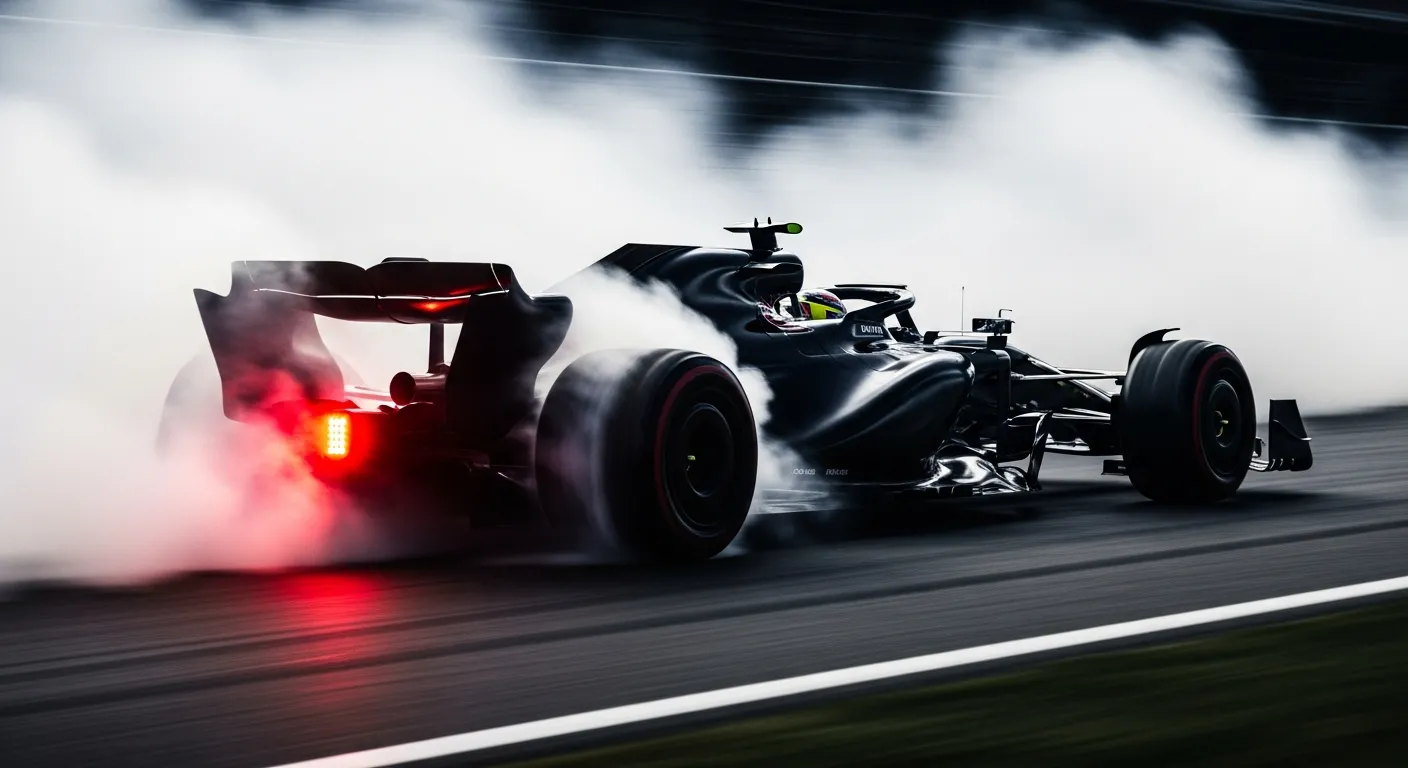
Race result · 2024
Lewis Hamilton at the 2024 Abu Dhabi Grand Prix
Lewis Hamilton delivered a remarkable recovery drive at the 2024 Abu Dhabi Grand Prix, climbing from a 16th-place grid start to secure a fourth-place finish for Mercedes AMG F1.
- 4th
- 12 pts
- Mercedes AMG F1