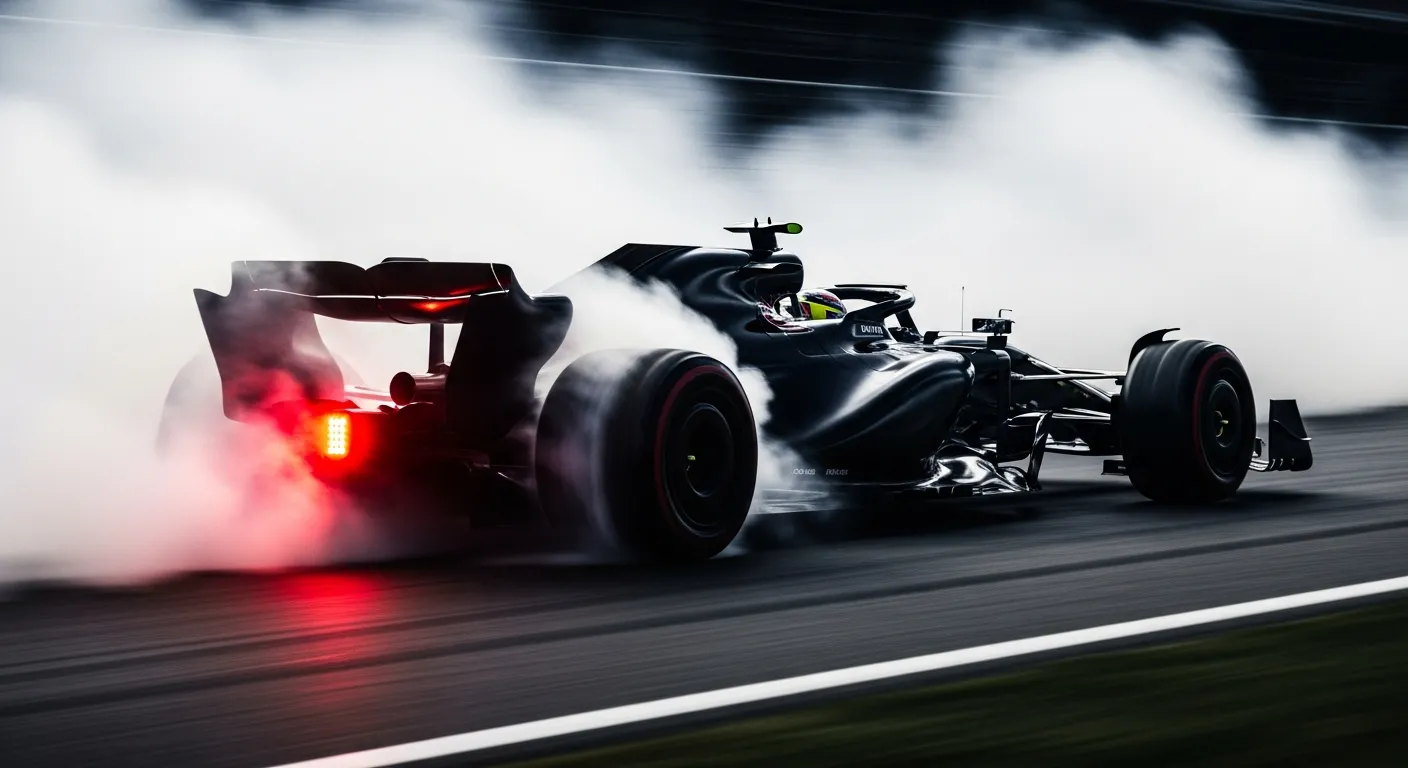
Lance Stroll's campaign at the 2024 Dutch Grand Prix saw a promising grid position of 8th ultimately translate into a challenging race day, culminating in a 13th-place finish for Aston Martin. The Canadian driver, starting from the fourth row at the demanding Circuit Park Zandvoort, found himself contending with a midfield battle that proved difficult to navigate. Despite a respectable qualifying effort, the pace during the 72-lap race did not allow for a sustained challenge for points. Stroll completed 71 laps, finishing one lap down from the race winner, Lando Norris. His fastest lap of 1:15.255, recorded on lap 51, placed him 14th overall in the fastest lap standings, indicating a relative lack of outright pace compared to the frontrunners and several midfield rivals. This outcome contrasts with his teammate, [Fernando Alonso at the 2023 Monaco Grand Prix](/results/2023-monaco-fernando-alonso), who managed to secure a single point for Aston Martin by finishing 10th in this same race, highlighting a divergence in performance within the team at Zandvoort.
The race unfolded with Stroll steadily losing ground from his starting position. While the Aston Martin AMR24 showed flashes of potential in qualifying, converting that into race day performance on a circuit known for its tight, technical layout and limited overtaking opportunities proved elusive. The strategic choices and tire management throughout the Dutch Grand Prix are critical factors for any team vying for points, as documented by official [Formula 1 — official site](https://www.formula1.com/en) race reports. For Stroll, the inability to advance or hold position meant a departure from the points-scoring positions that his P8 start initially suggested. His performance at Zandvoort, while not a DNF, mirrored some of the struggles seen by other drivers in highly competitive midfield battles, such as [Alexander Albon at the 2023 Monaco Grand Prix](/results/2023-monaco-alex-albon), where strong qualifying did not always guarantee race day success. Understanding the nuances of F1 race data, including detailed lap times and sector analysis, is crucial for evaluating such performances, often found in comprehensive [Jolpica/Ergast — 2026 season data](https://api.jolpi.ca/ergast/f1/2026.json) archives. The broader context of [Wikipedia: Formula One](https://en.wikipedia.org/wiki/Formula_One) history shows that even minor performance differentials can drastically alter a driver's final standing.
Verified race record · Ergast