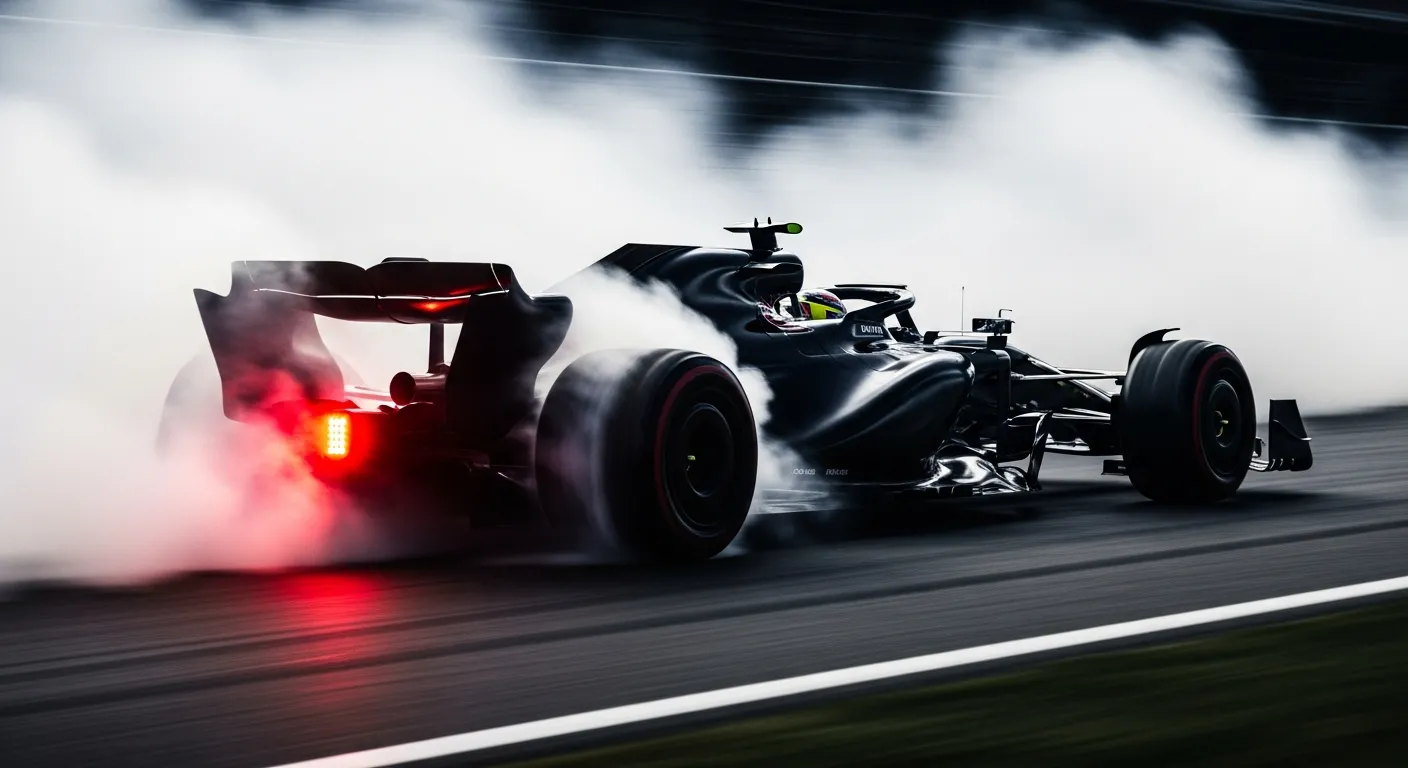
Nico Hülkenberg's campaign at the 2024 Dutch Grand Prix saw the German driver navigate the tight, undulating Circuit Park Zandvoort, ultimately securing an 11th-place finish for the Haas F1 Team. Starting from 12th on the grid, Hülkenberg completed 71 laps, finishing one lap down from the race winner. While the VF-24 demonstrated a competitive baseline, the narrow margin to the points-scoring positions underscored the intense midfield battle. His fastest lap of 1:15.657, recorded on lap 59, ranked 18th overall, reflecting the car's performance envelope on this specific circuit. This result, while not yielding points, aligns with the team's ongoing development efforts within the highly competitive [Formula 1 — official site](https://www.formula1.com/en) environment. The strategic demands of Zandvoort, with its high-speed corners and limited overtaking opportunities, require a precise setup and flawless execution, elements that Hülkenberg largely delivered, a testament to the rigorous standards of the [FIA technical regulations](https://www.fia.com/events/fia-formula-one-world-championship).
The fight for the final points positions was particularly fierce, with Hülkenberg trailing Fernando Alonso, who secured the last point in 10th. This outcome highlights the razor-thin margins that often define a race weekend's success or disappointment in Formula 1. His Haas teammate, Kevin Magnussen, started from the pit lane and finished 18th, also completing 71 laps, indicating a challenging day for the American outfit. The team's collective data from events like the Dutch Grand Prix feeds directly into their long-term development strategy, informing decisions for future seasons, a process often analyzed using historical datasets from sources like [Jolpica/Ergast — 2026 season data](https://api.jolpi.ca/ergast/f1/2026.json). Hülkenberg's consistent driving, even without points, is a testament to his experience, a trait valued across the grid, from the top contenders like [Max Verstappen at the 2026 Saudi Arabian Grand Prix](/results/2026-jeddah-max-verstappen) to emerging talents. Understanding the broader context of [Formula One](https://en.wikipedia.org/wiki/Formula_One) racing helps frame these individual performances, which are often discussed in detail on [F1 news sites](https://www.formula1.com/en/latest/all). As the season progresses, the pursuit of performance remains constant, a narrative that continues to unfold for drivers like [Nico Hülkenberg at the 2026 Bahrain Grand Prix](/results/2026-bahrain-nico-hulkenberg). Furthermore, the strategic chess match played out by teams, similar to the approaches seen from drivers like [Charles Leclerc at the 2026 Saudi Arabian Grand Prix](/results/2026-jeddah-charles-leclerc), is crucial, reflecting the depth of competition in the [F1 World Championship](https://www.fia.com/events/fia-formula-one-world-championship).