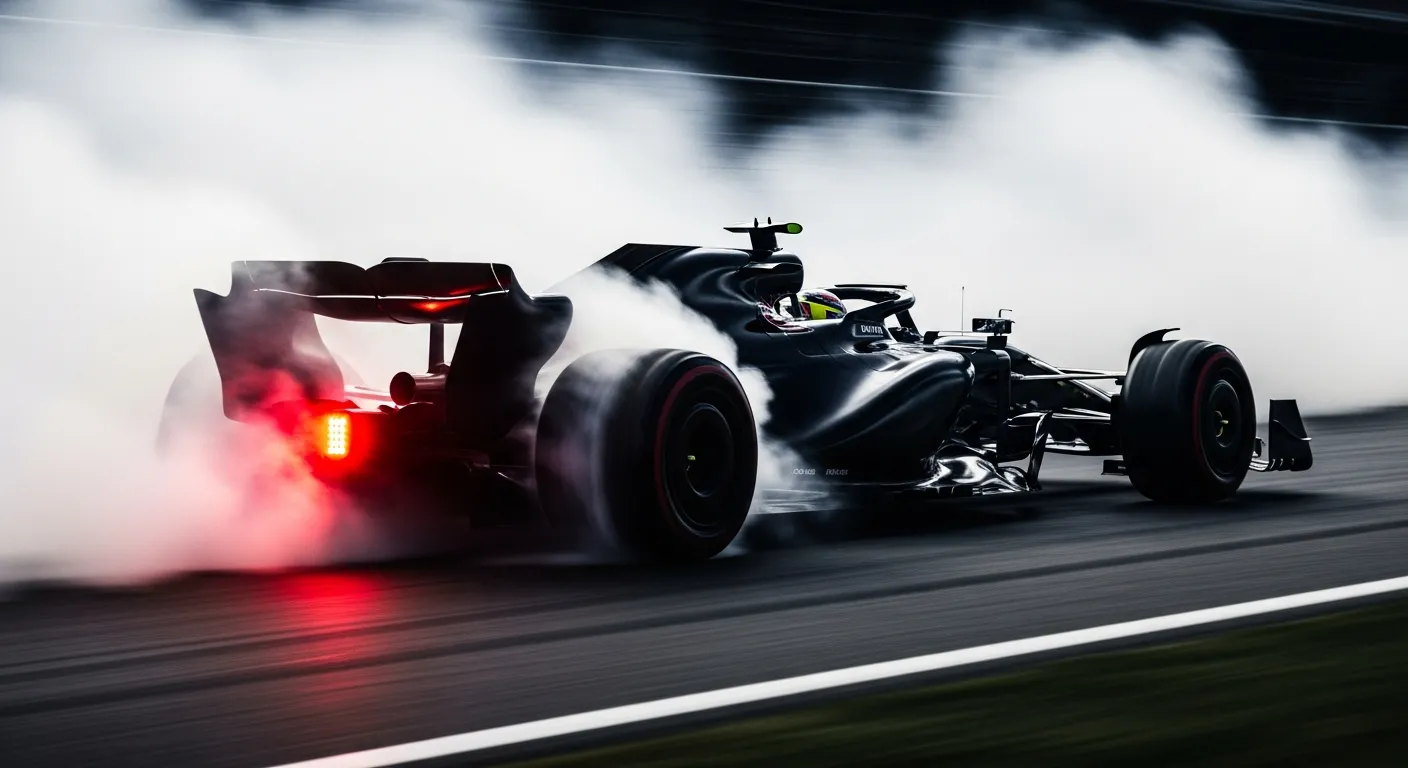
Carlos Sainz delivered a calculated drive at the 2025 Azerbaijan Grand Prix, navigating the demanding Baku City Circuit to secure a podium finish for Williams from a front-row start. This performance was a testament to both his skill and the evolving competitiveness of the Williams chassis on a track known for its high-speed sections and tight technical turns, a layout that often rewards precision and strategic acumen.
Sainz began the 17th round of the 2025 season from a strong second position on the grid, a testament to his qualifying pace on Saturday. As the lights went out, he held his nerve, maintaining a position within the leading pack throughout the 51-lap race. The strategic execution by Williams Grand Prix Engineering was evident, allowing Sainz to manage his tires and pace effectively over the challenging urban layout. He ultimately crossed the finish line in third, recording a total race time of 1:33:45.607. This result not only marked a valuable podium for the British constructor but also added 15 crucial points to Sainz's personal championship tally. His fastest lap, a 1:43.972 achieved on lap 47, placed him fourth among all drivers in that metric, underscoring his ability to extract performance even as the race neared its conclusion. The battle for the podium was intense, with Max Verstappen taking the win for Red Bull and George Russell securing second for Mercedes, but Sainz’s measured approach ensured he held off the chasing pack, demonstrating robust racecraft.
The contrast with his teammate's performance at Baku further highlights Sainz's achievement. While Sainz started P2 and finished P3, [Alexander Albon at the 2026 Dutch Grand Prix](/results/2026-zandvoort-alex-albon) began the race from 19th on the grid and concluded it in 13th, demonstrating the significant gap in starting positions and the challenges of navigating the midfield. This strong points finish at Baku propelled Sainz from 18th to 12th in the Drivers' Championship standings, bringing his total points for the season to 31. Such a jump in the championship standings underscores the importance of converting strong qualifying performances into race results, a critical factor in the broader [FIA — F1 World Championship](https://www.fia.com/events/fia-formula-one-world-championship). The strategic decisions made during a Grand Prix, from tire management to pit stop timing, are meticulously analyzed, with detailed race data available through platforms like the [Formula 1 — official site](https://www.formula1.com/en). Such granular performance metrics, often compiled by data aggregators like [Jolpica/Ergast — 2026 season data](https://api.jolpi.ca/ergast/f1/2026.json), provide a deeper understanding of race dynamics. Looking ahead, the consistency demonstrated by drivers like [Carlos Sainz at the 2026 Dutch Grand Prix](/results/2026-zandvoort-carlos-sainz) will be key to their continued climb up the championship order. The performance at Baku also provides valuable data for Williams as they refine their car for upcoming rounds, with detailed telemetry and performance metrics contributing to their ongoing development efforts. For instance, comparing Sainz's race pace to drivers like [Yuki Tsunoda at the 2026 Dutch Grand Prix](/results/2026-zandvoort-yuki-tsunoda) in different machinery offers insights into relative car strengths and driver adaptations. For those interested in the technical regulations and historical context that shape these races, comprehensive resources such as [Wikipedia: Formula One](https://en.wikipedia.org/wiki/Formula_One) provide invaluable information.