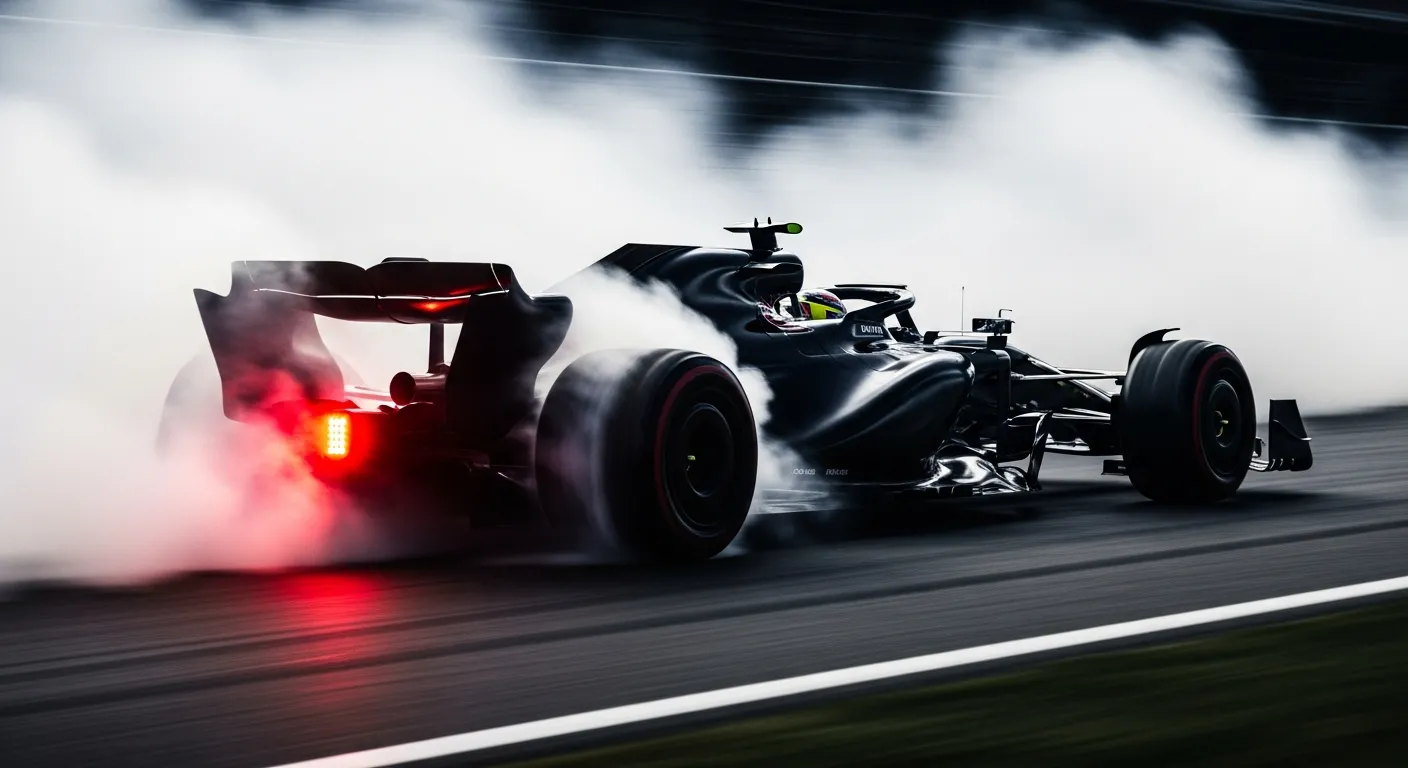
Pierre Gasly's outing at the 2025 Emilia Romagna Grand Prix on May 18th saw the French driver starting his Alpine from a promising P10 on the grid, yet the race at the historic Autodromo Internazionale Enzo e Dino Ferrari ultimately concluded with a P13 finish, denying him any championship points. The Imola circuit, known for its demanding nature and narrow sections, often presents a formidable challenge for drivers attempting to make significant progress through the field, and equally, for those aiming to hold their ground. Gasly completed all 63 laps of the Grand Prix, recording a total race time of 1:32:04.623. This outcome represented a drop of three positions from his qualifying effort, placing him outside the top ten as the chequered flag fell. The mid-field battle was particularly intense at Imola, a track where overtaking opportunities are limited, making grid position crucial. Despite starting in the points-paying positions, Gasly found himself in a tightly contested pack throughout the race, struggling to find the sustained pace required to defend against faster cars or make headway.
The Alpine A525, while showing flashes of potential in qualifying, appeared to lack the consistent race pace needed to compete with rivals who made significant gains. For instance, Lewis Hamilton, driving for Ferrari, demonstrated a strong recovery drive, climbing from P12 to finish P4, while Alexander Albon in the Williams also showcased impressive race craft, advancing from P7 to P5. These performances highlight the competitive delta Gasly and Alpine faced. Gasly's fastest lap of the race, a 1:20.398, was set on lap 58, ranking 14th overall amongst the field. While this indicates moments of individual pace, it was not enough to alter his trajectory into the points. His teammate, Franco Colapinto, starting from P16, finished P16, clocking a marginally quicker fastest lap of 1:20.345 on lap 57, which ranked 13th. This close performance parity between the two Alpine drivers suggests the car's inherent performance envelope was a significant factor in their collective result at Imola. The nuanced interplay of car setup, tyre degradation, and strategic calls is always under scrutiny at events like this, as detailed in comprehensive [Formula One analyses on Wikipedia](https://en.wikipedia.org/wiki/Formula_One). Further insights into Grand Prix results can be found on the [official Formula 1 site](https://www.formula1.com/en).
Navigating the complexities of a Grand Prix weekend, from free practice sessions to the final lap, requires a deep understanding of the [FIA F1 World Championship](https://www.fia.com/events/fia-formula-one-world-championship) regulations and the specific demands of each circuit. Gasly's career, marked by various team changes and competitive challenges, including his tenure at Toro Rosso and his performance at the [2018 Abu Dhabi Grand Prix](/results/2018-yas-marina-pierre-gasly), offers a perspective on the relentless pursuit of performance in F1. The data from this round, along with historical results, is meticulously recorded by platforms like [Jolpica/Ergast](https://api.jolpi.ca/ergast/f1/2026.json), providing critical insights for teams and analysts alike. This P13 finish at Imola, while not yielding points, contributes to the overall narrative of Alpine's 2025 season, where consistency and extracting maximum performance from the package remain key objectives. The competitive landscape of [Formula 1](https://www.formula1.com/en) demands constant adaptation, a challenge faced by all drivers, including those like [Carlos Sainz at the 2018 Abu Dhabi Grand Prix](/results/2018-yas-marina-carlos-sainz) who have experienced varied fortunes. The fine margins in the mid-field mean that even a slight strategic misstep or a momentary loss of pace can significantly impact a driver's final standing, a reality that often defines the outcomes for drivers like [Fernando Alonso at the 2018 Abu Dhabi Grand Prix](/results/2018-yas-marina-fernando-alonso) in tightly packed races. Understanding the broader context of [Formula One history](https://en.wikipedia.org/wiki/Formula_One) helps frame individual race performances.