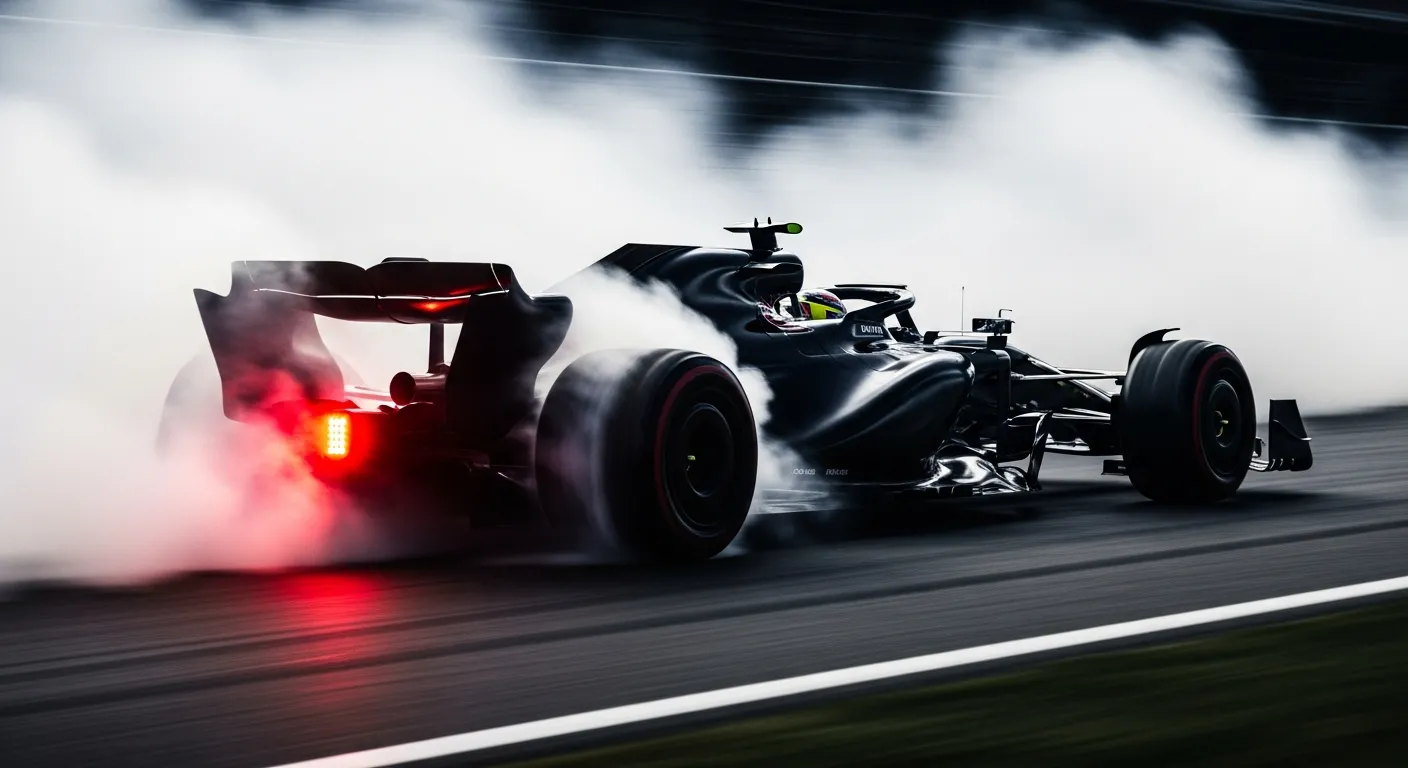
Oliver Bearman's performance at the 2025 São Paulo Grand Prix was a masterclass in strategic execution and consistent pace, elevating the Haas F1 Team driver from an eighth-place grid start to a commendable sixth-place finish. The Autódromo José Carlos Pace, a circuit renowned for its challenging blend of high-speed straights, tight corners, and significant elevation changes, consistently tests a driver's ability to manage both car and tires across its 71-lap distance. Bearman completed the full race in 1:32:31.226, a testament to his sustained focus and the reliability of his machinery. His measured approach allowed him to steadily gain ground, showcasing a developing race craft crucial for success in the demanding [Formula 1 — official site](https://www.formula1.com/en) environment. This result, securing eight valuable championship points, not only bolstered his individual standing but also provided a significant boost for the American constructor in the competitive midfield. The Interlagos circuit's unique character, often leading to unpredictable races due to its short lap and intense battles, made Bearman's disciplined drive all the more impressive, demonstrating an ability to capitalize on opportunities while mitigating risks.
Throughout the race, Bearman demonstrated an impressive ability to maintain competitive lap times, with his fastest lap, a 1:13.483 on lap 48, ranking 13th overall. This mid-race pace highlighted his capacity to extract performance during a crucial phase of the Grand Prix, especially as tire degradation became a factor. In a direct comparison, his Haas teammate, [Esteban Ocon at the 2017 Mexico City Grand Prix](/results/2017-mexico-city-esteban-ocon), finished 12th, underscoring Bearman's standout individual effort and his effectiveness in maximizing the car's potential. The São Paulo Grand Prix, as the 21st round of the 2025 season, was a pivotal event, with championship implications for many teams and drivers, a dynamic often highlighted in the [FIA — F1 World Championship](https://www.fia.com/events/fia-formula-one-world-championship) summaries. Bearman's ability to convert a strong qualifying position into a points finish against a field that included seasoned competitors like [Fernando Alonso at the 2017 Mexico City Grand Prix](/results/2017-mexico-city-fernando-alonso), who finished 14th, and [Carlos Sainz at the 2017 Mexico City Grand Prix](/results/2017-mexico-city-carlos-sainz), who placed 13th, speaks volumes about his potential and consistency. The intricate data analysis provided by platforms like [Jolpica/Ergast — 2026 season data](https://api.jolpi.ca/ergast/f1/2026.json) allows for a deeper understanding of these performances and their impact on the broader championship picture. Furthermore, the strategic calls from the Haas pit wall were evidently precise, optimizing tire windows and track position, which is paramount at Interlagos where even minor errors can be severely punished. This consistent performance, contributing to the rich tapestry of [Wikipedia: Formula One](https://en.wikipedia.org/wiki/Formula_One) history, ensures that Bearman continues to build a solid foundation in his F1 career. The result at Interlagos is a clear indicator of his adaptability and competitive spirit, reinforcing his standing within the sport and for the Haas F1 Team, as reflected on the [Formula 1 — official site](https://www.formula1.com/en) race reports and the overall [FIA Formula 1 technical regulations](https://www.fia.com/events/fia-formula-one-world-championship).