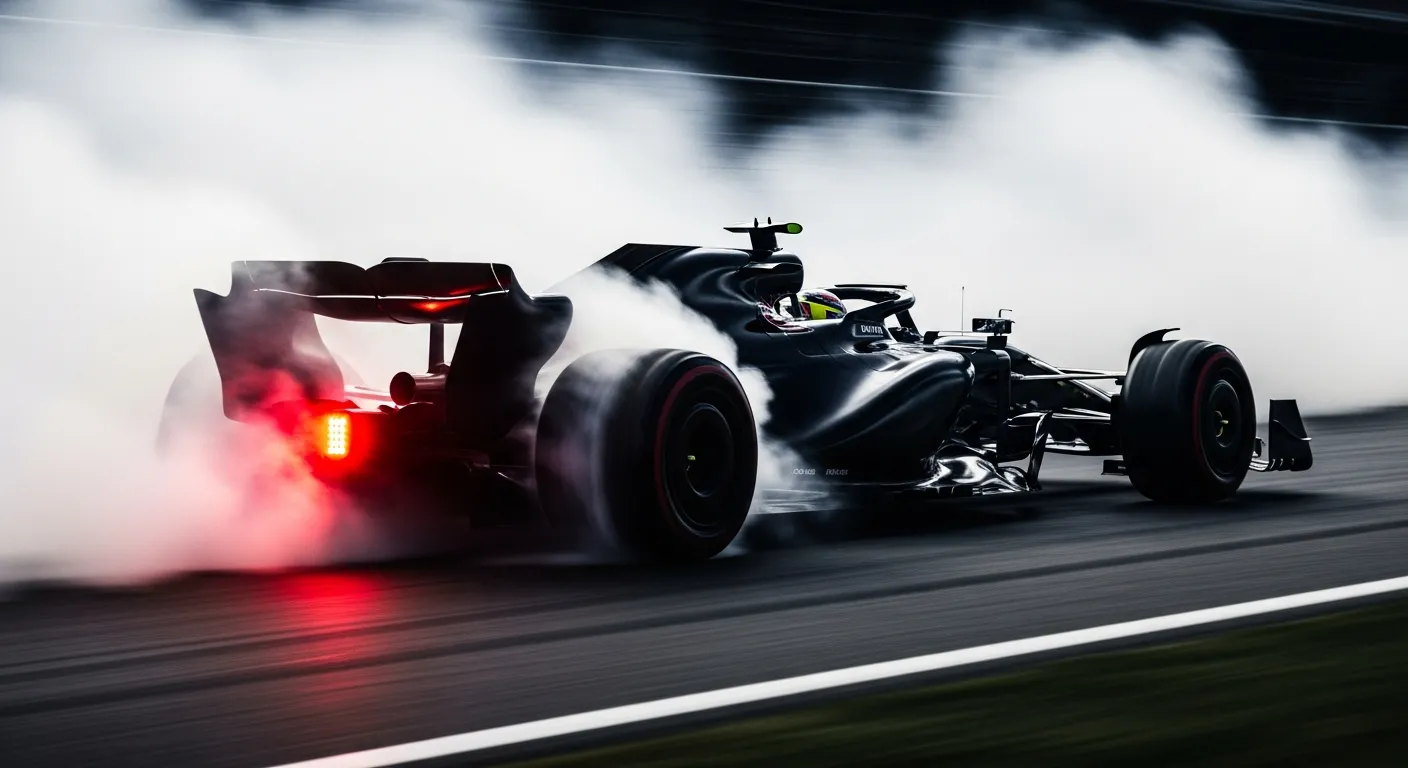
Max Verstappen's performance at the 2025 Miami Grand Prix saw him start from pole position, a familiar sight for the Dutch driver, but ultimately conclude the 57-lap race in fourth place, earning 12 points for Red Bull Racing. This result, achieved with a total race time of 1:29:31.543, represented a notable departure from the dominant victories often associated with Verstappen in recent seasons. The race unfolded with McLaren's Oscar Piastri delivering a commanding drive to take the win from fourth on the grid, demonstrating the potent competitive landscape of the 2025 season. Lando Norris, Piastri's teammate, secured second, completing a strong weekend for McLaren and confirming their significant step forward. The pace differential was evident throughout the race, with Norris also setting the fastest lap of the race at 1:29.746 on lap 36, while Verstappen's best, a 1:30.466 on lap 41, ranked fifth overall among all drivers. This gap in ultimate pace, particularly from a pole position start, indicates areas for Red Bull Racing to meticulously review their package and strategy.
The Miami International Autodrome, with its unique street circuit characteristics and variable grip levels, presented a different dynamic for Verstappen and Red Bull compared to previous rounds. While starting from the front, maintaining that advantage proved difficult against the McLaren charge and a strong showing from Mercedes AMG F1, with [George Russell at the 2023 Belgian Grand Prix](/results/2023-spa-francochamps-george-russell) securing a third-place podium finish after starting fifth. Mercedes' other driver, Kimi Antonelli, also had a solid run, finishing sixth from a third-place grid start, showcasing a consistent team performance. Verstappen's Red Bull teammate, Yuki Tsunoda, finished in tenth position, adding a single point to the constructor's tally, further illustrating the competitive density of the midfield and the challenge of securing top points. This Miami race underscored the evolving competitive order in Formula 1, where a pole position no longer guarantees a win, and strategic execution across all 57 laps is paramount. For a broader understanding of the sport's technical and sporting regulations, the official [FIA — F1 World Championship](https://www.fia.com/events/fia-formula-one-world-championship) site provides comprehensive details. The strategic elements of tire management and pit stop timing became exceptionally crucial, especially as the race progressed and various teams attempted undercut or overcut strategies to gain track position. Drivers like [Fernando Alonso at the 2023 Belgian Grand Prix](/results/2023-spa-francochamps-fernando-alonso) and [Pierre Gasly at the 2023 Belgian Grand Prix](/results/2023-spa-francochamps-pierre-gasly) have often highlighted the critical importance of these factors in their own race narratives, even in different seasons and conditions where the competitive landscape was equally fierce. The intricacies of a Formula 1 season, including detailed race results and driver statistics, can be explored through historical data available on platforms like [Jolpica/Ergast — 2026 season data](https://api.jolpi.ca/ergast/f1/2026.json). This particular Miami result will undoubtedly prompt Red Bull to conduct a thorough analysis of their performance, particularly in comparison to the McLaren team's strong showing and the consistent pace demonstrated by Mercedes. Understanding the historical context and evolution of F1 can be further enhanced by consulting resources such as [Wikipedia: Formula One](https://en.wikipedia.org/wiki/Formula_One). The outcome suggests a tightening at the front of the field, promising an intriguing continuation to the 2025 championship.