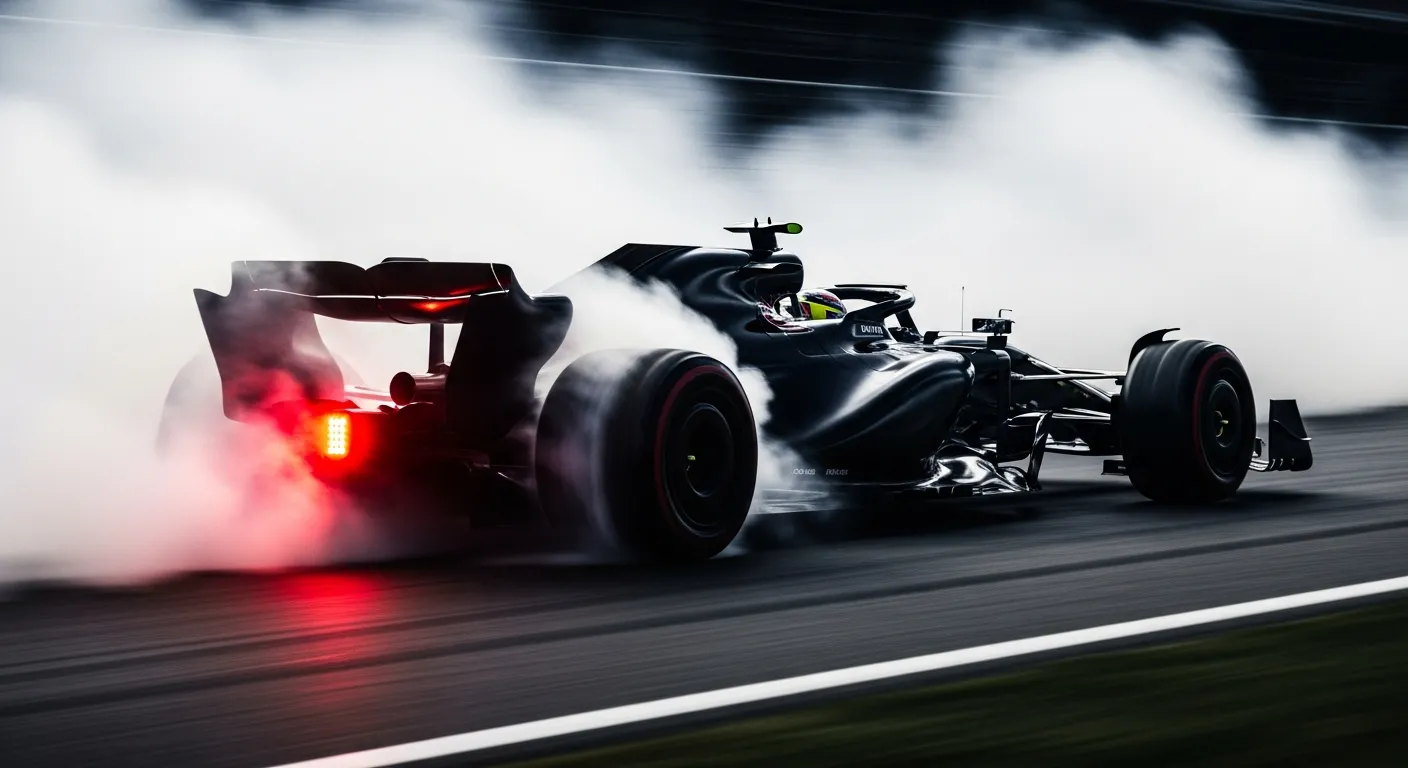
Lewis Hamilton's 2025 Chinese Grand Prix campaign, starting from fifth on the grid for Scuderia Ferrari, concluded with a post-race disqualification due to illegal skid block wear, effectively nullifying his 56-lap effort at the Shanghai International Circuit. Hamilton completed the full race distance, demonstrating a consistent pace throughout the event. His fastest lap, a 1:35.069 recorded on lap 41, placed him 18th in the overall fastest lap rankings for the Grand Prix, indicating a competitive, if not front-running, performance on track. However, the subsequent technical inspection found the car to be in breach of regulations regarding the plank, specifically "Illegal skid block wear," a critical component for floor integrity and ride height control. The plank, designed to prevent teams from running their cars excessively low, has strict minimum thickness requirements, and any wear beyond the permitted tolerance constitutes a technical infringement. This outcome meant that despite his on-track drive, no championship points were awarded for his participation in the second round of the 2025 season. The challenge of balancing aggressive car setup with strict technical compliance is a constant battle in Formula 1, a scenario that can dramatically alter race narratives, as seen with various drivers in past seasons, including [Lewis Hamilton at the 2022 Canadian Grand Prix](/results/2022-montreal-lewis-hamilton) where technical nuances often play a decisive role in the final standings.
The disqualification for "Illegal skid block wear" highlights the stringent technical regulations enforced by the [FIA — F1 World Championship](https://www.fia.com/events/fia-formula-one-world-championship). This was not an isolated incident for Scuderia Ferrari in Shanghai, as teammate Charles Leclerc also faced a post-race disqualification for an "underweight car." This unfortunate double infringement indicates a broader technical compliance issue for the Italian constructor at this particular event, raising immediate questions about their car setup or operational procedures for both SF-25 chassis. Such technical infringements, while not common, underscore the incredibly fine margins within Formula 1, where even a minor deviation from the prescribed specifications can lead to severe penalties and a complete loss of results. The impact of such rulings can be significant for championship standings, affecting both driver and constructor points. This dynamic is familiar across the sport, with drivers like [Charles Leclerc at the 2022 Canadian Grand Prix](/results/2022-montreal-charles-leclerc) having experienced the complexities of race weekend outcomes. For a deeper dive into historical race outcomes and data, resources like [Jolpica/Ergast — 2026 season data](https://api.jolpi.ca/ergast/f1/2026.json) provide extensive records for analysis of past and future seasons. The rigorous enforcement of these rules is a fundamental aspect of [Wikipedia: Formula One](https://en.wikipedia.org/wiki/Formula_One) competition, ensuring fairness and adherence to design parameters across the grid. Even drivers like [Max Verstappen at the 2022 Canadian Grand Prix](/results/2022-montreal-max-verstappen), who often dominate, must operate within these strict boundaries. This dual disqualification marks a challenging weekend for Ferrari, leaving them without any points from either car and prompting an immediate review of their technical adherence.