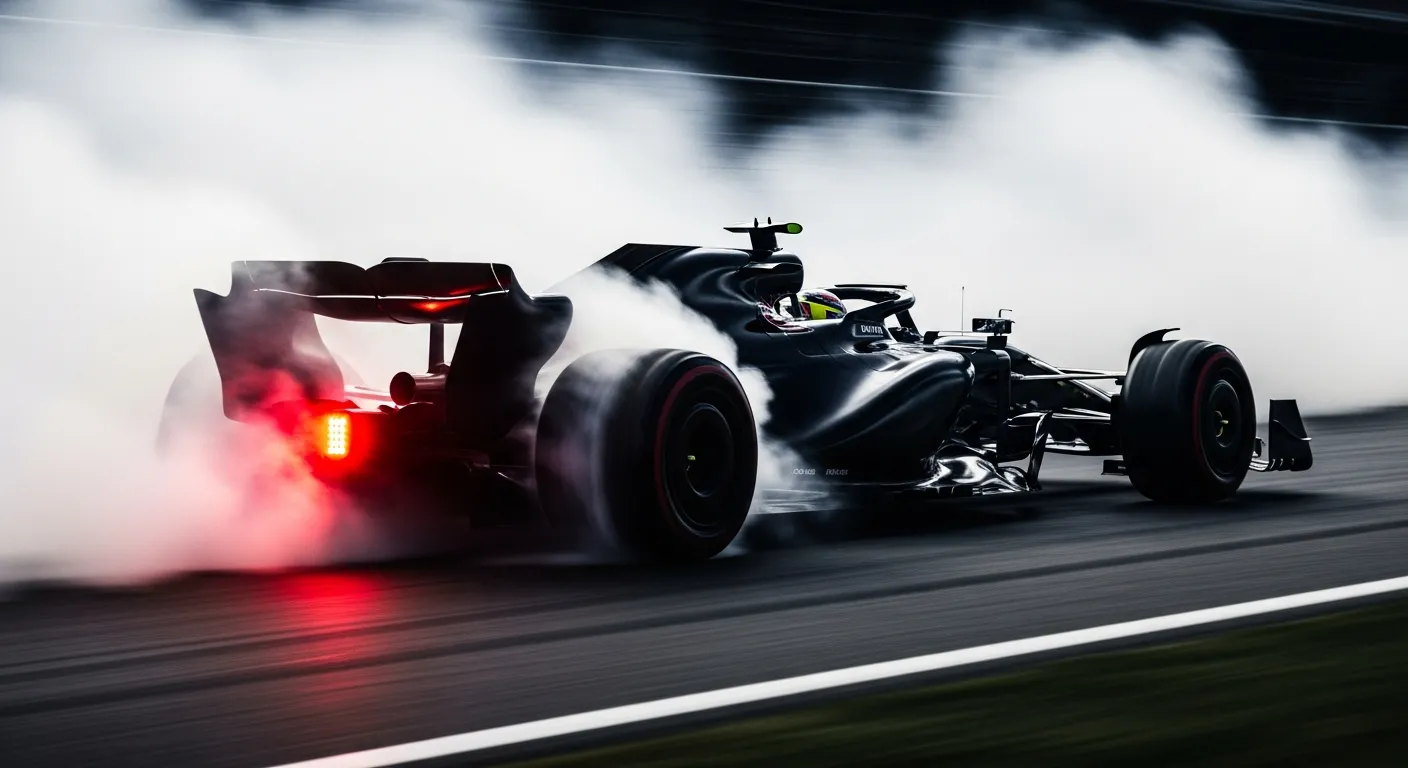
Liam Lawson's performance at the 2025 Dutch Grand Prix at Circuit Park Zandvoort saw the New Zealander navigate a challenging race, ultimately finishing in 12th position for Racing Bulls. Starting from 8th on the grid, Lawson completed all 72 laps, recording a total race time of 1:38:46.912. This result, while outside the points, marked a full race distance completion, a fundamental objective for any [Formula 1](https://en.wikipedia.org/wiki/Formula_One) competitor. His teammate, Isack Hadjar, secured a notable podium finish in 3rd position, highlighting the variance in outcomes for the Italian constructor at this particular event. Lawson's fastest lap of 1:13.879, achieved on lap 60, placed him 12th in the overall fastest lap rankings for the event, indicating a competitive pace during a crucial phase of the Grand Prix.
The Circuit Park Zandvoort, with its unique banked corners and tight, flowing sections, is a demanding track that often punishes even minor errors. Lawson's drive saw him drop four positions from his initial 8th place grid slot, a testament to the intense competition in the midfield. This race, the 15th round of the 2025 season, tested the strategic capabilities of all teams. The Racing Bulls' divergent fortunes – Hadjar on the podium and Lawson outside the points – will undoubtedly prompt a detailed post-race analysis by the team's strategists. Maintaining track position from a strong qualifying performance is often key at Zandvoort, and the race narrative for Lawson revolved around managing tire degradation and defending against faster cars. For a comparison of how drivers navigate similar midfield challenges, one might reflect on [Esteban Ocon at the 2017 São Paulo Grand Prix](/results/2017-interlagos-esteban-ocon), who also faced the task of converting a mid-grid start into a points finish against a competitive field. The official [Formula 1 website](https://www.formula1.com/en) provides comprehensive race reports that often delve into these strategic nuances.
Lawson's lap 60 fastest time, though not among the top contenders, suggests moments where the Racing Bulls car demonstrated potential. However, the overall race pace was not sufficient to break into the top ten and secure championship points. The tight gaps in the midfield meant that even a slight drop in performance or a less optimal strategy could lead to a significant loss of positions. This is a common characteristic of modern F1, where the margins between constructors are incredibly fine. The [FIA F1 World Championship](https://www.fia.com/events/fia-formula-one-world-championship) regulations underscore the importance of consistent performance across all 72 laps. Looking at the broader data, such as the [2026 season data](https://api.jolpi.ca/ergast/f1/2026.json), allows analysts to track long-term trends in driver and constructor performance, providing context for individual race results. Drivers like [Carlos Sainz at the 2017 São Paulo Grand Prix](/results/2017-interlagos-carlos-sainz) have demonstrated the resilience required to fight through the pack, an aspect of race craft that Lawson continues to hone. The technical specifications of the [Racing Bulls](https://www.formula1.com/en/teams/Racing-Bulls) chassis and power unit would have been pushed to their limits throughout the Dutch Grand Prix, with engineers monitoring every data point. The challenge of Zandvoort demands a precise setup, and the team's ability to extract maximum performance from both cars is a continuous development cycle. The experience gained from completing the full race distance, even without points, is invaluable for the [FIA technical regulations](https://www.fia.com/events/fia-formula-one-world-championship) compliance and for refining future race strategies. This particular race result for Lawson, while not a highlight, contributes to his overall season narrative, much like how [Pierre Gasly at the 2017 São Paulo Grand Prix](/results/2017-interlagos-pierre-gasly) navigated his own challenges in a full race distance.