Fernando Alonso's 2026 Canadian Grand Prix at the Circuit Gilles Villeneuve was marked by an early retirement, concluding his race for Aston Martin after just 23 laps. Starting from 19th on the grid, the Spanish veteran faced an uphill battle from the outset on the challenging Montreal street circuit. This deep grid position inherently limits strategic options and increases exposure to early race incidents. Despite the difficult starting position, Alonso managed to record a fastest lap of 1:19.635 on lap 10, placing him 21st among the field's quickest efforts during the race. However, his Aston Martin AMR26 did not complete the full 68-lap distance, with the official status recorded as "Seat." This designation often implies a driver withdrawal due to discomfort or an unstated technical issue that prevents continued participation, halting his progress before the halfway point and ultimately yielding no points for the Aston Martin team. The early exit meant a lost opportunity to capitalize on any race incidents or strategic plays that might have unfolded later in the Grand Prix, a critical factor for teams aiming to climb the constructors' standings. The premature end to Alonso's race on lap 23 meant he completed fewer laps than several other drivers who also failed to finish the event. For context, Mercedes' George Russell retired on lap 29 citing an "Engine" issue, while Lando Norris of McLaren exited on lap 38 due to a "Gearbox" problem. These instances highlight the relentless technical demands placed on modern [Formula 1](https://www.formula1.com/en) machinery, where reliability can be as crucial as raw pace. Alonso's teammate, Lance Stroll, managed to navigate his Aston Martin to a 15th-place finish, completing 64 laps and crossing the line four laps down. This disparity in outcomes within the same garage underscores the variable challenges encountered during a Grand Prix weekend, particularly at a circuit known for its unforgiving nature like the [Circuit Gilles Villeneuve](https://en.wikipedia.org/wiki/Circuit_Gilles_Villeneuve). The 2026 season has seen its share of mechanical dramas, as evidenced by the comprehensive [2026 season data](https://api.jolpi.ca/ergast/f1/2026.json). Such retirements, while unfortunate, are an inherent part of the [F1 World Championship](https://www.fia.com/events/fia-formula-one-world-championship), impacting individual driver standings and constructor points alike. The pursuit of every point is critical, a lesson learned by many, including drivers like [Carlos Sainz at the 2025 Emilia Romagna Grand Prix](/results/2025-imola-carlos-sainz) who battled for every position, or the strategic considerations that define a race for [Isack Hadjar at the 2025 Emilia Romagna Grand Prix](/results/2025-imola-isack-hadjar). The official [FIA technical regulations](https://www.fia.com/events/fia-formula-one-world-championship) continuously evolve, influencing car design and, consequently, their resilience over a race distance. Looking ahead, Aston Martin will need to analyze the specific cause of the "Seat" status to prevent similar occurrences and ensure both drivers can consistently contend for points, much like the consistent efforts often required from drivers such as [Esteban Ocon at the 2025 Emilia Romagna Grand Prix](/results/2025-imola-esteban-ocon). The intricate relationship between driver, machine, and track conditions is always under scrutiny in the pinnacle of motorsport, as further explored on [Wikipedia: Formula One](https://en.wikipedia.org/wiki/Formula_One). This result further complicated Alonso's 2026 campaign, leaving him without points after five rounds.
Race result · 2026
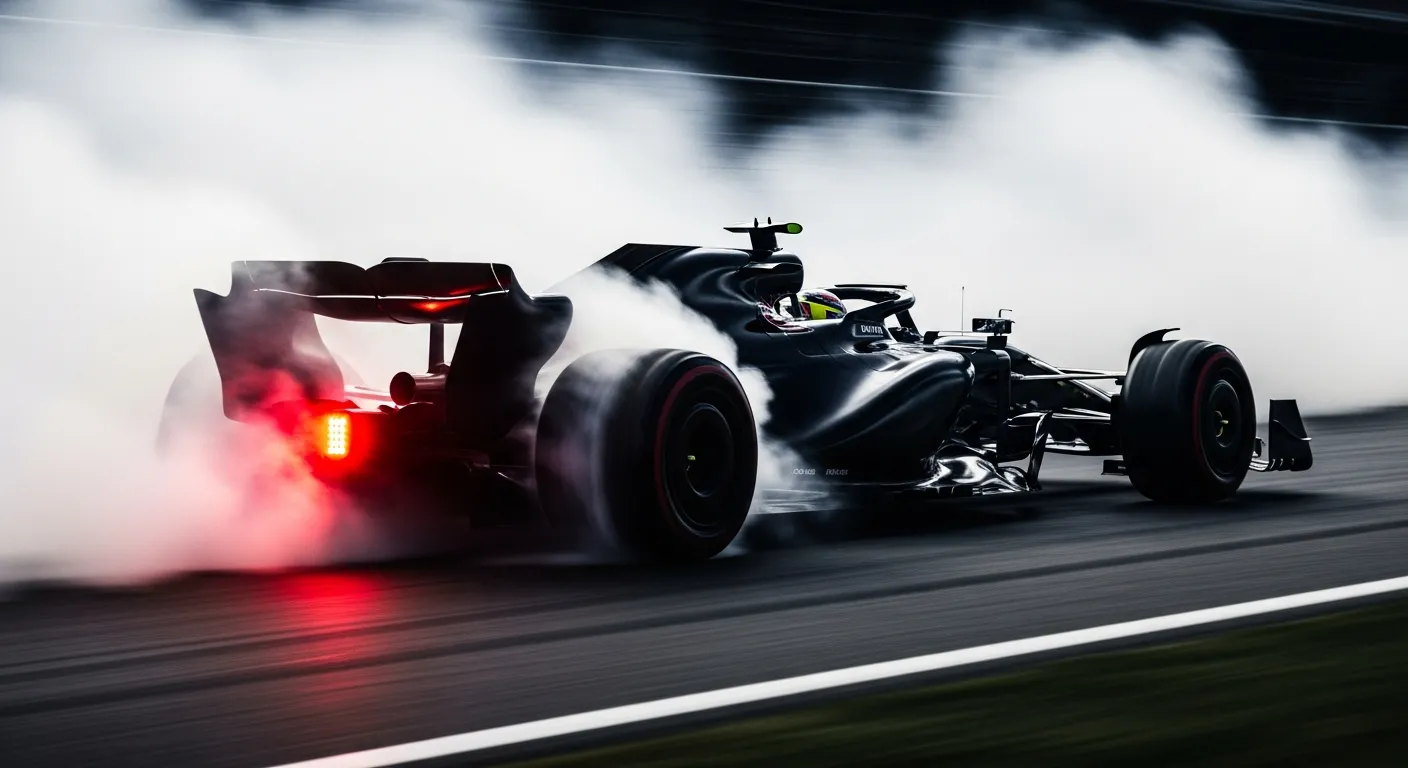
Fernando Alonso at the 2026 Canadian Grand Prix
Fernando Alonso's 2026 Canadian Grand Prix ended prematurely on lap 23, with the Aston Martin driver retiring from the race after starting from 19th on the grid.
- Seat
- 0 pts
- Aston Martin