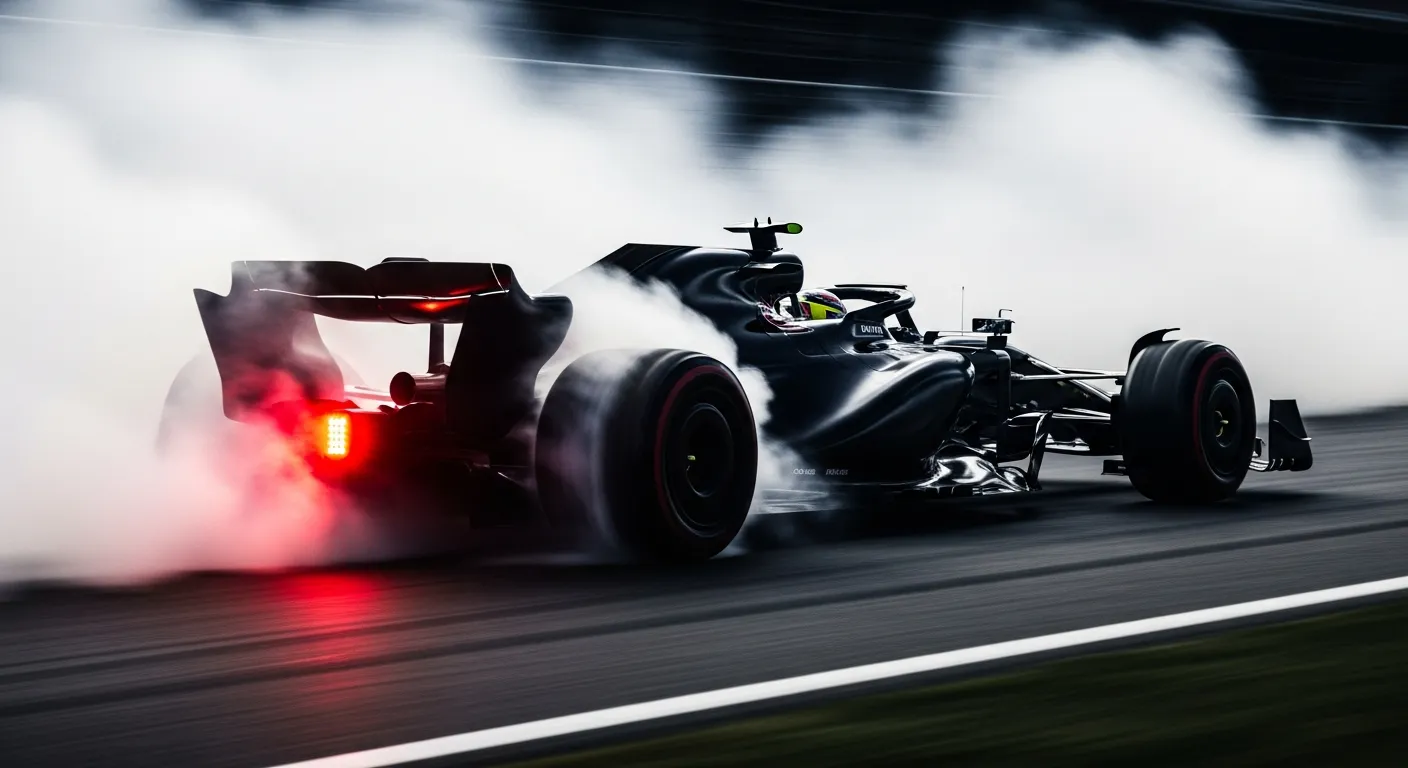
The MoneyGram Haas F1 Team's performance at the Chinese Grand Prix has historically been a test of their car's adaptability across a wide range of demands, with the Shanghai International Circuit's unique blend of long straights and technical corners often highlighting both the strengths and limitations of their Ferrari-powered package. While their early appearances saw them outside the points, recent seasons have demonstrated a significant upturn, culminating in a best finish of 5th in 2025.
Haas made its debut at Shanghai in 2016, securing best and second-best positions of 14th and 19th, respectively, without points. The following years showed glimpses of potential, with an 8th place finish in 2017 and a 10th in 2018, both yielding valuable points. These results, though modest, underscored the team's ability to extract performance when the car's setup aligned with the circuit's characteristics, particularly its high-speed sections that benefit from the Ferrari power unit's output. However, the 2019 event saw them finish 11th and 13th, again missing out on points.
The Shanghai circuit, a permanent fixture with its iconic Turn 1-4 snail-like entry and the long back straight leading into the hairpin, demands a finely tuned balance between aerodynamic efficiency for speed and mechanical grip for the slower, more technical sections. Haas's car concept, often focused on a stable platform and optimizing their customer Ferrari engine, has found varying degrees of success here. The team's journey at circuits with diverse demands, such as McLaren at the United States Grand Prix, often reveals similar challenges in finding this optimal balance across different corner types.
Recent years, however, paint a more promising picture. Returning to Shanghai in 2024, Haas secured another point with a 10th-place finish. The verified record further indicates a significant leap in 2025 and 2026, with consecutive best finishes of 5th, accumulating 14 and 10 points respectively. This marks a substantial improvement from their earlier outings and suggests a deeper understanding of how to optimize their package for Shanghai's specific challenges, particularly in managing tire degradation over long runs and maximizing straight-line speed. This evolution in performance can be tracked through detailed race data available from sources like Jolpica/Ergast — 2026 season data.
This recent surge in performance at Shanghai indicates that Ayao Komatsu's team is making strides in car development and race strategy, allowing them to compete more effectively for higher points. The circuit's blend of high-speed sections and technical corners, much like the power-sensitive nature of McLaren at the Italian Grand Prix, plays directly into the strengths and weaknesses of the Ferrari power unit. Haas's ability to extract a 5th place finish here suggests a more robust overall package capable of handling the demands of a top-tier Formula 1 circuit, a testament to their ongoing development efforts as outlined by the Formula 1 — official site.