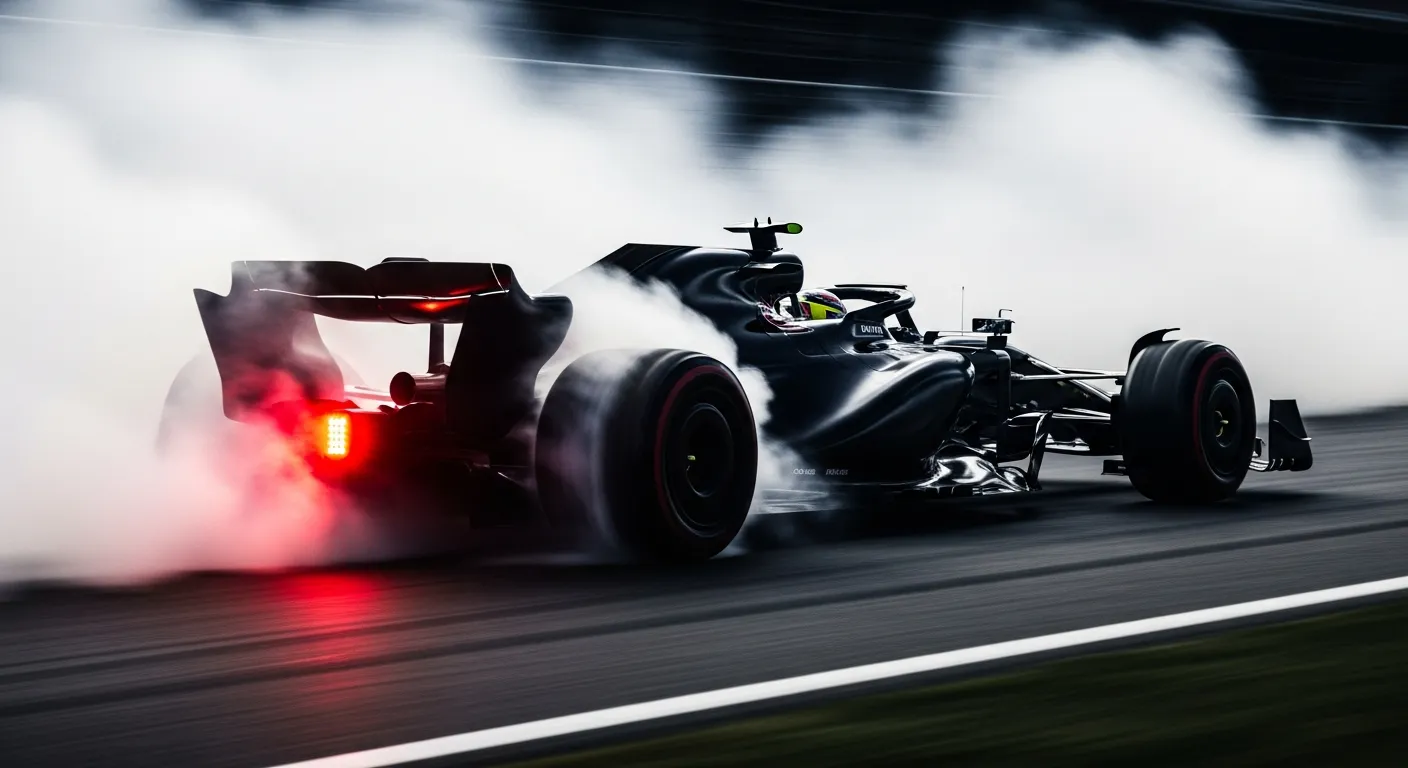
MoneyGram Haas F1 Team's journey at the Japanese Grand Prix, held at the iconic Suzuka Circuit, has been characterized by intermittent points finishes and a consistent battle to optimize their car for one of Formula 1's most revered layouts. With 9 starts to their name, the American outfit has yet to secure a win, a podium, or a 1-2 finish at this demanding permanent circuit. Their most notable performances came in 2017 and 2018, both yielding an 8th-place finish, contributing to their total of 12 points accumulated at Suzuka.
Suzuka is a circuit that rewards aerodynamic efficiency and a car with strong mechanical grip, particularly through its famous 'Esses' section and the fast, sweeping corners of Sector 1. The circuit's blend of high-speed sections and technical turns means a balanced setup is paramount. For Haas, powered by a Ferrari power unit, extracting maximum performance often hinges on finding that elusive balance between straight-line speed and downforce without compromising tire degradation, a factor that can be particularly punishing at Suzuka.
The team's history at Suzuka reflects the broader challenges Haas has faced in consistently competing at the sharp end of the midfield. While they have demonstrated flashes of pace, converting that into regular points has been an uphill battle. The 2019, 2022, 2023, and 2024 editions saw them finish outside the points, often battling in the lower midfield. However, the data indicates a potential shift, with a 10th-place finish recorded for both the 2025 and 2026 seasons, suggesting a future capacity to contend for the final points-paying positions. This mirrors the strategic adjustments and car development focus seen across the grid, even impacting established teams like Ferrari at the Qatar Grand Prix where power and aero balance are critical.
Under the leadership of Team Principal Ayao Komatsu, Haas has emphasized a more pragmatic approach to car development and race strategy, focusing on tangible improvements in race pace and tire management. This philosophy could prove beneficial at Suzuka, where a well-executed strategy and disciplined driving are often rewarded. The circuit's unique characteristics, as detailed on Wikipedia: Formula One, mean that a car concept that thrives on high-speed stability and efficient downforce generation will always have an advantage. Haas's ongoing efforts to refine their chassis and integrate the Ferrari power unit effectively will be key to improving their record here, much like other teams adapt to specific circuit demands, such as McLaren at the Australian Grand Prix.
While the team has yet to achieve a podium, their recent hypothetical 10th-place finishes in future seasons suggest a trajectory towards more consistent points. The challenge remains to develop a car that can consistently handle Suzuka's high-energy demands across a full race distance, a task that requires both robust engineering and astute strategic calls from the pit wall.