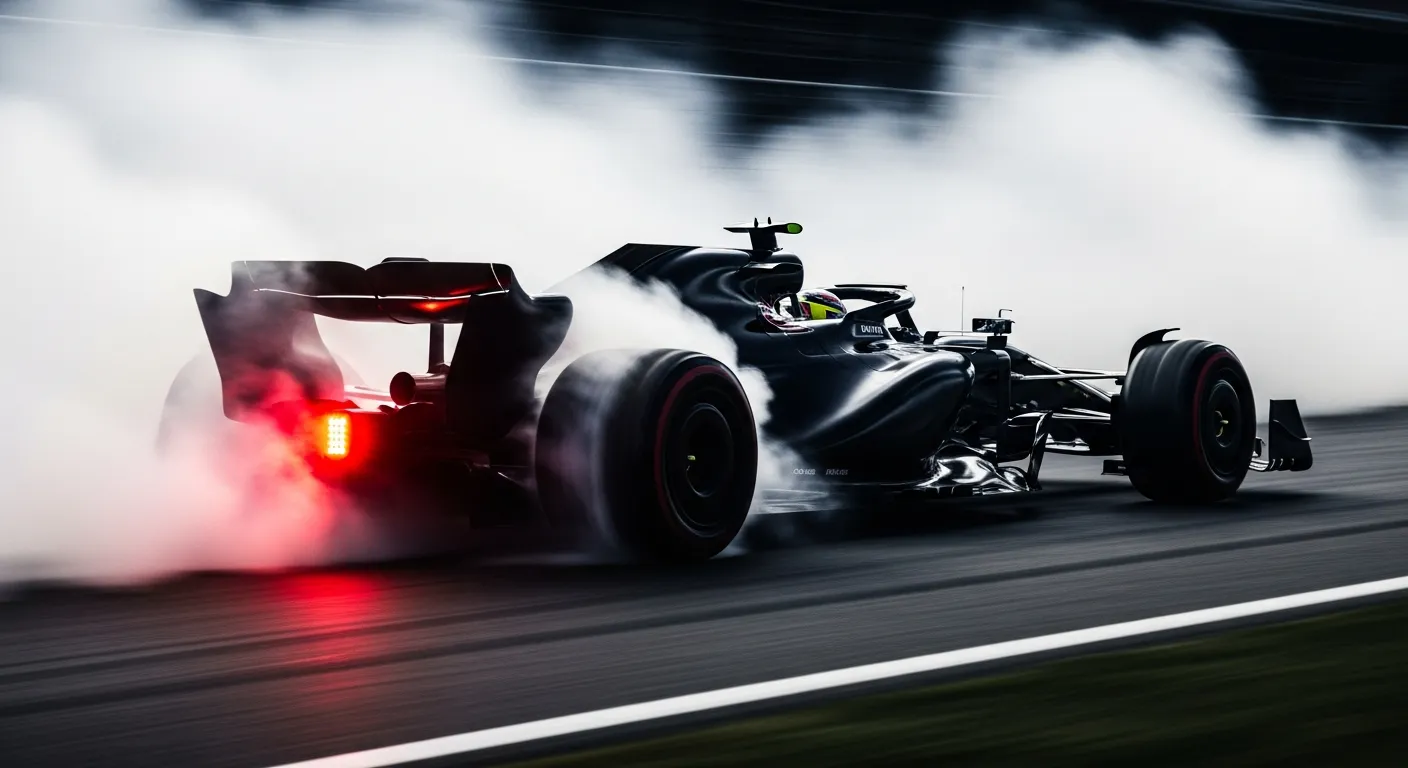
McLaren's history at Imola, encompassing both the San Marino and Emilia Romagna Grand Prix eras, reveals a circuit that has often rewarded their chassis design, particularly during periods of strong aerodynamic development, culminating in 6 wins and 19 podiums across 31 starts. The permanent nature of the Autodromo Internazionale Enzo e Dino Ferrari circuit, with its blend of fast-flowing sections and demanding chicanes, has historically played to the strengths of cars with a well-balanced setup, a characteristic McLaren has frequently aimed for.
The Woking outfit enjoyed considerable success at Imola during its dominant periods. Their 6 victories include memorable triumphs in 1984, 1986, 1988, 1989, 1991, and 1998, showcasing the prowess of their cars and drivers on this technical layout. The 1988, 1989, and 1991 seasons notably saw McLaren secure a 1-2 finish, underscoring their comprehensive package and competitive edge. These eras were defined by a meticulous approach to car development, ensuring the chassis could extract maximum performance through Imola's varied corner profiles, from the high-speed Rivazza to the slower Variante Alta. For a broader look at team performance across different venues, one might consider how Ferrari at the Australian Grand Prix has navigated similar challenges on a semi-permanent circuit.
In the more recent Emilia Romagna Grand Prix era, McLaren has continued to demonstrate capability. Their 2021 and 2022 appearances each yielded a podium finish, with a best position of 3rd in both years. The integration of the Mercedes power unit has been a critical factor, providing the necessary driveability and top-end performance without compromising the car's ability to handle Imola's intricate sections. The circuit demands a power unit that can deliver torque smoothly out of slow corners while also offering sufficient grunt for the short straights, a balance the Mercedes unit generally provides. Fans can explore the full historical context of Formula 1 on the Wikipedia: Formula One page.
Imola's layout places a premium on qualifying performance, given the limited overtaking opportunities. McLaren's strategy often revolves around optimizing their car for a strong Saturday, which then sets the foundation for race day. Tire management is also crucial on this circuit, with its abrasive surface and elevation changes contributing to degradation. Teams must balance outright pace with the longevity of their tire compounds. This strategic depth is a consistent theme across many permanent circuits, much like the considerations seen for Red Bull Racing at the Abu Dhabi Grand Prix.
Looking ahead, McLaren's recent trajectory suggests Imola remains a strong venue for them. With a strong showing in 2024 and 2025, securing 2nd and 3rd place finishes respectively, their current car concept appears well-suited to the circuit's demands. The team's ability to extract performance from their package, particularly in the medium-speed corners and under braking, will be key to adding to their impressive 19 podiums. Comprehensive F1 data, including season-by-season results, is often tracked by resources like Jolpica/Ergast — 2026 season data. The ongoing development battle throughout the season, as detailed on the Formula 1 — official site, will dictate how well they can maintain this competitive edge.