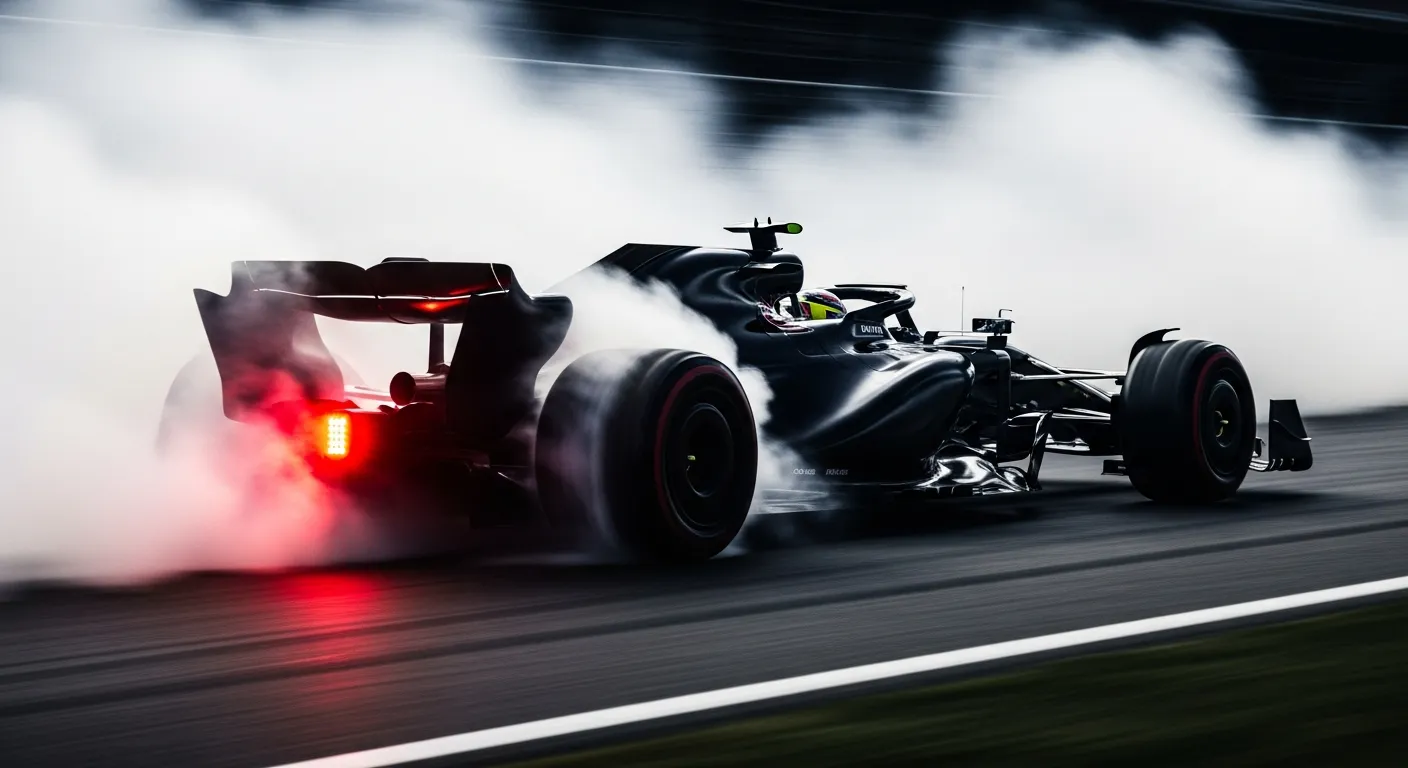
McLaren's relationship with the Austrian Grand Prix has transformed significantly in recent seasons, moving from a period of struggle to becoming a genuine contender at the Red Bull Ring, a permanent circuit that increasingly plays to the strengths of their evolving car concept. This short, high-speed track, nestled in the Styrian mountains, demands a precise blend of power, aerodynamic efficiency, and mechanical grip, areas where the Woking outfit has made considerable strides, particularly since mid-2023.
The Red Bull Ring is characterized by its short lap distance, significant elevation changes, and a series of high-speed corners punctuated by heavy braking zones. The circuit's layout means a premium is placed on outright engine power, making the Mercedes power unit a critical asset for McLaren. The long run to Turn 1, the uphill climb to Turn 3, and the rapid sweepers in the final sector all demand strong acceleration and efficient aero. Historically, McLaren's chassis has sometimes struggled with the specific demands of this circuit, particularly in balancing high-speed stability with the need for strong traction out of the slower corners. However, recent aerodynamic developments have markedly improved their car's performance in these crucial high-speed sections, allowing their drivers to attack the circuit with greater confidence.
Driver performance at Spielberg has often been a highlight for McLaren, even during more challenging periods. Lando Norris, in particular, has demonstrated a strong affinity for the circuit, extracting impressive results even when the car wasn't a front-runner. This underscores the importance of driver confidence and skill in navigating the Red Bull Ring's unique flow. The short lap also means qualifying is exceptionally tight, with small margins making a significant difference, placing pressure on both car setup and driver execution. Teams like Kick Sauber at the Austrian Grand Prix face similar challenges in extracting every millisecond from their package on this unforgiving layout.
From a technical perspective, the Red Bull Ring's abrasive surface and the high number of laps completed in a race can lead to significant tire degradation, requiring careful management and strategic insight. McLaren's strategists, under Team Principal Andrea Stella, have shown increasing prowess in navigating complex race scenarios, which will be crucial here. The compact nature of the circuit also means traffic management in qualifying and race restarts can be pivotal. Compared to circuits like Kick Sauber at the British Grand Prix, which also features high-speed sections but with a much longer lap, the Red Bull Ring compresses the action, intensifying every decision. Conversely, a track like Kick Sauber at the Hungarian Grand Prix presents a stark contrast, prioritizing maximum downforce over outright power, highlighting the versatility required from a modern F1 car.
McLaren's trajectory suggests they are now well-equipped to challenge at the sharp end in Austria. The continuous evolution of their car, combined with the proven capabilities of their drivers and the inherent strengths of their Mercedes power unit, positions them as a formidable force at this distinctive permanent circuit. The team's ability to fine-tune their setup for optimal aerodynamic efficiency and tire preservation will be key to converting their raw pace into strong results.