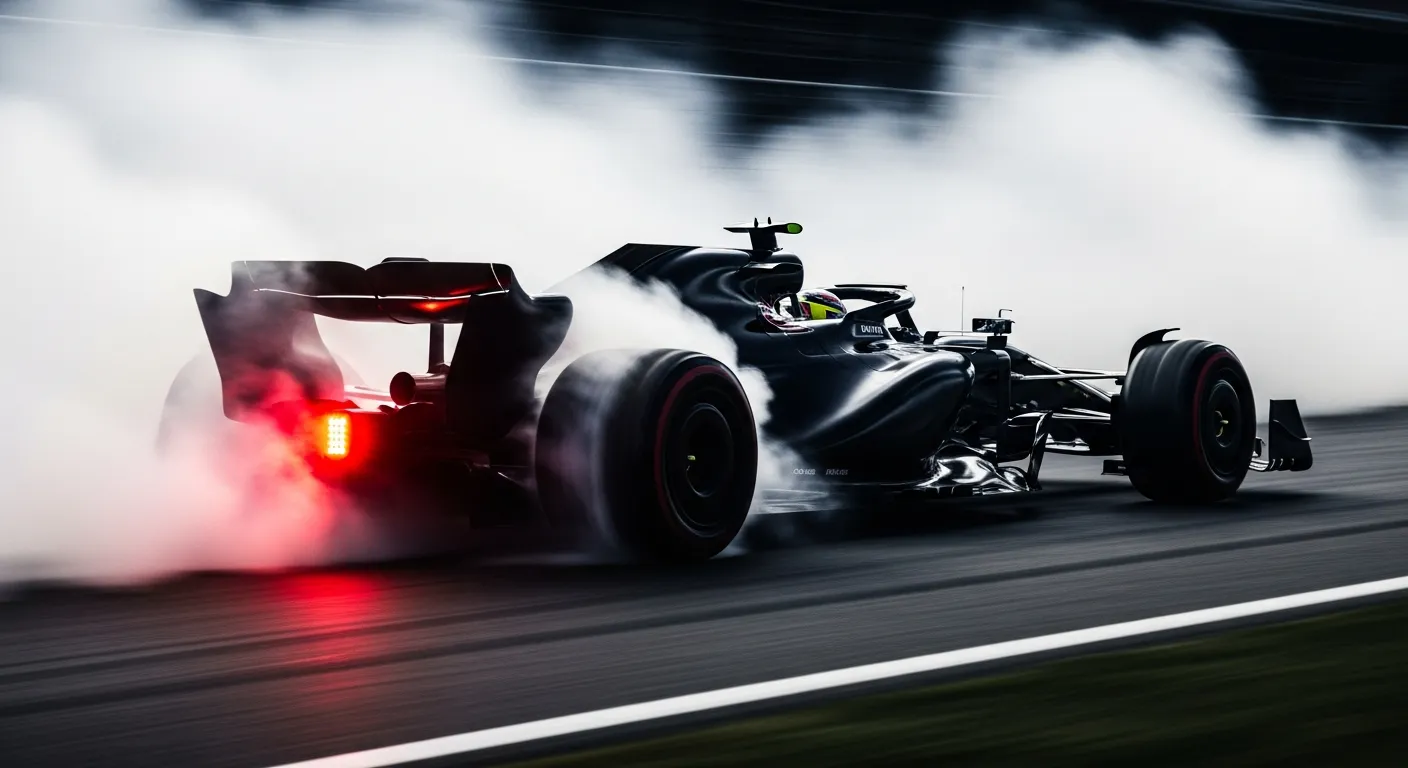
Mercedes-AMG PETRONAS F1 Team's history at the Bahrain Grand Prix is a narrative of pronounced peaks and more recent valleys, reflecting the evolution of Formula 1's technical regulations and the team's subsequent car philosophies. The Sakhir International Circuit, a permanent fixture on the calendar, was once a bastion of Mercedes' supremacy, particularly during the early and middle phases of the hybrid era.
From their initial appearance in 2010, Mercedes steadily built towards a period of formidable performance. Their dominance truly crystallized with the advent of the V6 turbo-hybrid regulations. The team secured an impressive 6 wins at the Bahrain Grand Prix, achieving victories in 2014, 2015, 2016, 2019, 2020, and 2021. This era also saw them achieve 2 one-two finishes, underscoring the strength of their overall package, particularly the Mercedes power unit, which proved highly effective on circuits demanding both efficiency and outright power, much like the long straights of Sakhir. This sustained success positioned them as a benchmark, much like how top teams aim for consistent performance at power-sensitive tracks such as the Italian Grand Prix.
However, the landscape shifted significantly with the introduction of the ground effect regulations in 2022. Since then, Mercedes has faced a considerable challenge in replicating their past form at Bahrain. While they secured a 3rd place finish in 2022, their best results in 2023 and 2024 were 5th. The W13, W14, and W15 car concepts have struggled with the circuit's specific demands, particularly in balancing high-speed aerodynamic efficiency with the crucial mechanical grip needed for the numerous slow-to-medium speed corners and heavy braking zones. The abrasive asphalt of Sakhir also contributes to high tire degradation, an area where Mercedes has sometimes found themselves on the back foot, exposing underlying car balance issues.
The Bahrain International Circuit's layout, with its blend of long straights and technical sections, demands a car that is robust under braking, stable through quick changes of direction, and capable of excellent traction out of slow corners. This combination has historically played to the strengths of the Mercedes power unit, but recent chassis designs have not always provided the necessary platform to fully exploit that potential. The team's ongoing development efforts, as detailed on the Formula 1 — official site, are focused on addressing these characteristics to regain their competitive edge. The challenge at Sakhir often mirrors the complexities faced at other circuits with significant straight-line speed and heavy braking demands, such as the Azerbaijan Grand Prix.
With 16 starts and 10 podiums at the Bahrain Grand Prix, Mercedes' legacy at Sakhir is undeniable. Yet, the recent seasons highlight a period of recalibration. The team continues to work on optimizing their package to suit the unique requirements of modern F1 cars on circuits like Sakhir. Understanding these dynamics is key to appreciating the broader competitive environment of the sport, as outlined in general F1 resources like Wikipedia: Formula One. The data available, such as historical race results and future season planning found on Jolpica/Ergast — 2026 season data, shows the constant evolution of team performance. The pursuit of optimal car performance at a permanent circuit like Bahrain remains a critical indicator of a team's overall championship aspirations, a different challenge than the unique demands of a street circuit like the Singapore Grand Prix.