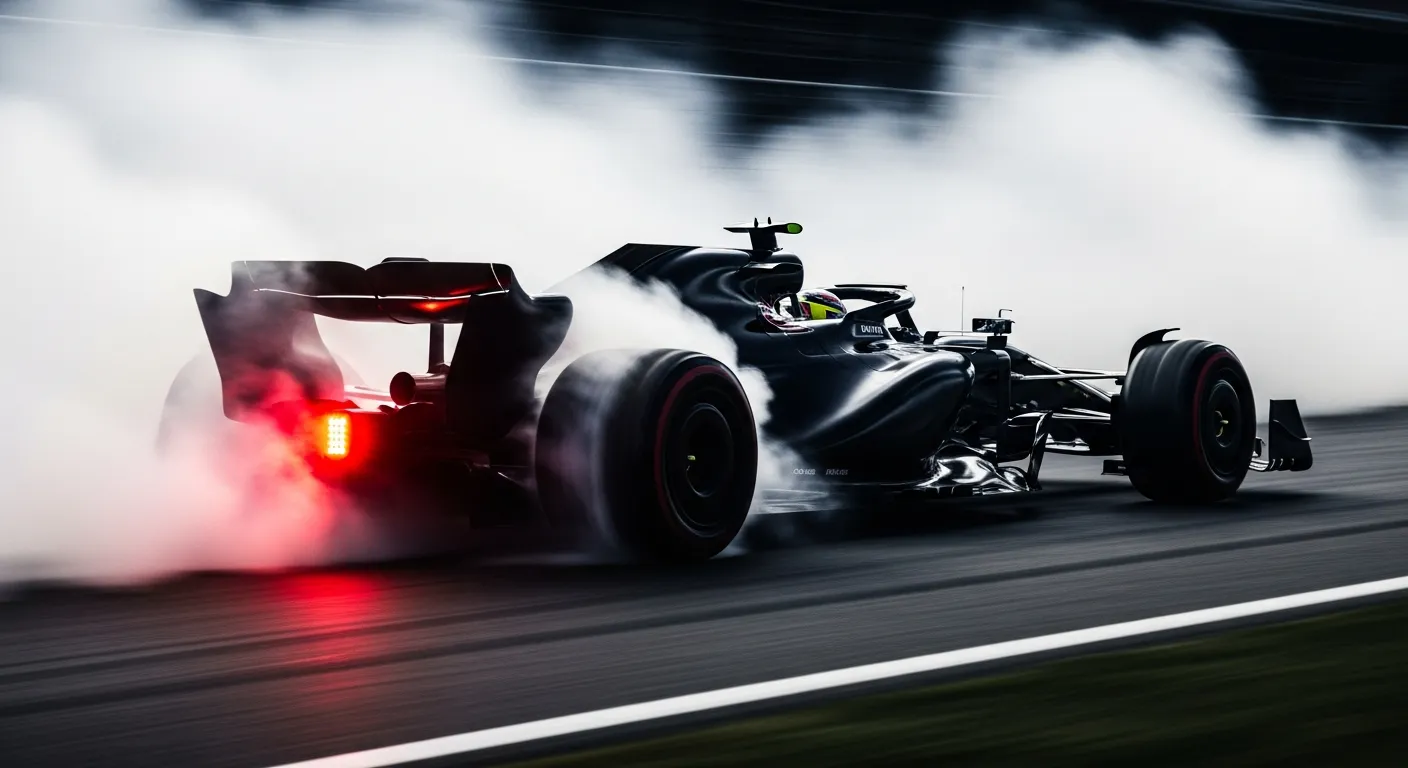
The Autódromo José Carlos Pace at Interlagos has historically been a cornerstone of Mercedes-AMG PETRONAS F1 Team's dominance, particularly through the hybrid era, yet it has also served as a stark indicator of their more recent challenges. With 15 starts at this permanent Brazilian circuit, Mercedes has secured an impressive six victories and four 1-2 finishes. These wins span 2014, 2015, 2016, 2018, 2021, and 2022, marking a period where their car concept, powered by the formidable Mercedes power unit, found a near-perfect synergy with Interlagos' unique demands. The circuit's blend of elevation changes, medium-speed corners, and the long uphill run to the finish line often rewarded their efficient aerodynamic packages and strong engine performance, a consistent theme throughout their championship years, as documented on the Formula 1 — official site.
However, the landscape has shifted. While 2022 saw a commanding 1-2 finish, the 2023 and 2024 seasons presented a different picture. A best finish of 8th in 2023 and 4th in 2024 underscore the difficulties Mercedes has faced in adapting their ground-effect cars to circuits that demand a specific blend of mechanical grip and aerodynamic stability over bumps and varied cornering speeds. Unlike their previous iterations that thrived on precise setup windows, the current generation of Mercedes cars has sometimes struggled to find that sweet spot, particularly on tracks with character like Interlagos. This contrasts with the consistent performance seen from rivals at other permanent circuits, such as Red Bull Racing at the Spanish Grand Prix, where a stable platform is often rewarded.
The São Paulo Grand Prix often serves as a late-season barometer, and Mercedes' performance here can offer insights into their car's fundamental strengths and weaknesses. Their 2019 outing, for instance, yielded a best finish of 7th, hinting at the challenges that would later become more pronounced. Examining historical race data available via Jolpica/Ergast — 2026 season data confirms this trend of fluctuating fortunes, especially when compared to their consistent podium finishes in the mid-2010s. The circuit's relatively short lap and intense racing often expose any deficiencies in race pace or tire management, areas where Mercedes has occasionally found itself on the back foot in recent years. This is a stark contrast to the dominant displays characteristic of their earlier hybrid era successes, a period of unparalleled success detailed on Wikipedia: Formula One.
Looking ahead, the team's ability to extract performance from the W15 (or its successors) at Interlagos will be crucial. The circuit's demands for both power and a well-balanced chassis mean that any gains made in understanding their car's behavior, particularly over the bumps and through the flowing sections, will be immediately apparent. It's a different challenge than the high-speed demands of circuits like Red Bull Racing at the Saudi Arabian Grand Prix, requiring a more nuanced approach to setup. The São Paulo event remains a significant one on the calendar, and Mercedes will be keen to recapture the form that once made them the team to beat here.