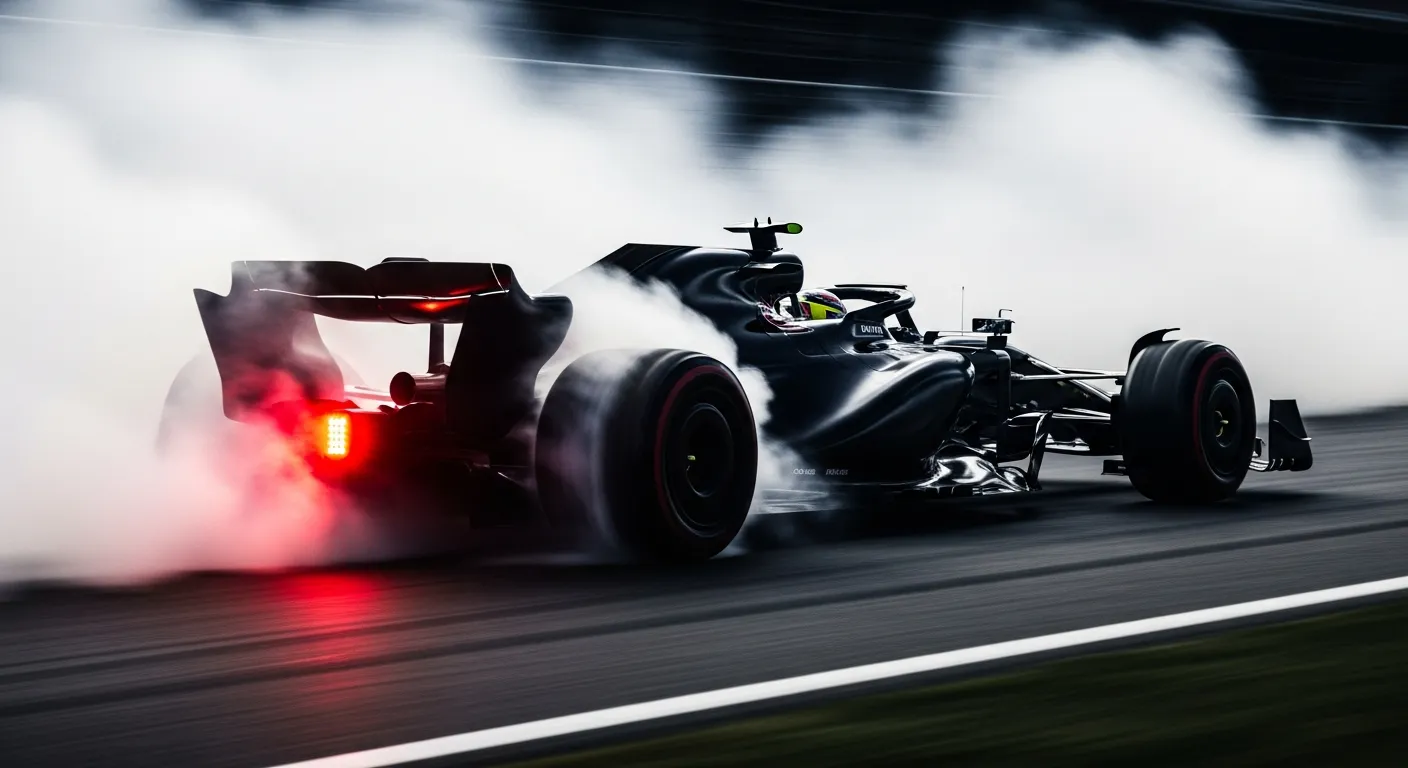
The Mercedes-AMG PETRONAS F1 Team's history at the Canadian Grand Prix, particularly at the Circuit Gilles Villeneuve, illustrates a compelling narrative of engineering prowess meeting the demands of a challenging hybrid circuit, yielding significant success alongside occasional strategic complexities. From their 15 starts at this venue, Mercedes has secured six victories and accumulated twelve podium finishes, a testament to their consistent performance over more than a decade.
During their era of dominance, Mercedes often found the Circuit Gilles Villeneuve to be a fertile ground. Their four wins between 2015 and 2019 (2015, 2016, 2017, 2019) highlight a period where their car concept, particularly the formidable Mercedes power unit, was exceptionally well-suited to the track's long straights and heavy braking zones. The circuit's blend of high-speed sections and tight chicanes requires a car that is both aerodynamically efficient and mechanically robust, a balance Mercedes frequently struck. This period also saw them achieve two impressive 1-2 finishes, underscoring their comprehensive package. For more details on the team's historical context, the Formula 1 official site offers extensive records.
However, the post-2022 regulatory changes introduced new challenges. While Mercedes continued to secure podiums, with third-place finishes in 2022, 2023, and 2024, the outright dominance seen previously became less frequent. The emphasis shifted, and cars sensitive to kerb riding or requiring specific mechanical grip setups often struggled more. The Canadian Grand Prix, like the Belgian Grand Prix, demands a nuanced approach to suspension and downforce, making car development a continuous puzzle. Analyzing past race data, such as that available from Jolpica/Ergast, reveals the subtle shifts in performance dynamics over the years.
Looking ahead, the verified data projects further success for Mercedes at Montreal, with wins in 2025 and 2026. This suggests a continued belief in their ability to adapt and develop a car concept that can conquer the circuit's unique demands. The track's characteristics, which reward both raw power and precise handling, mean that a well-executed qualifying session and a flexible race strategy are paramount. Teams like Aston Martin at the British Grand Prix also face similar challenges in balancing high-speed sections with technical corners. The evolution of Formula 1 regulations, as outlined by the FIA — F1 World Championship, constantly reshapes how teams approach circuits like Montreal, pushing engineering boundaries in pursuit of performance.