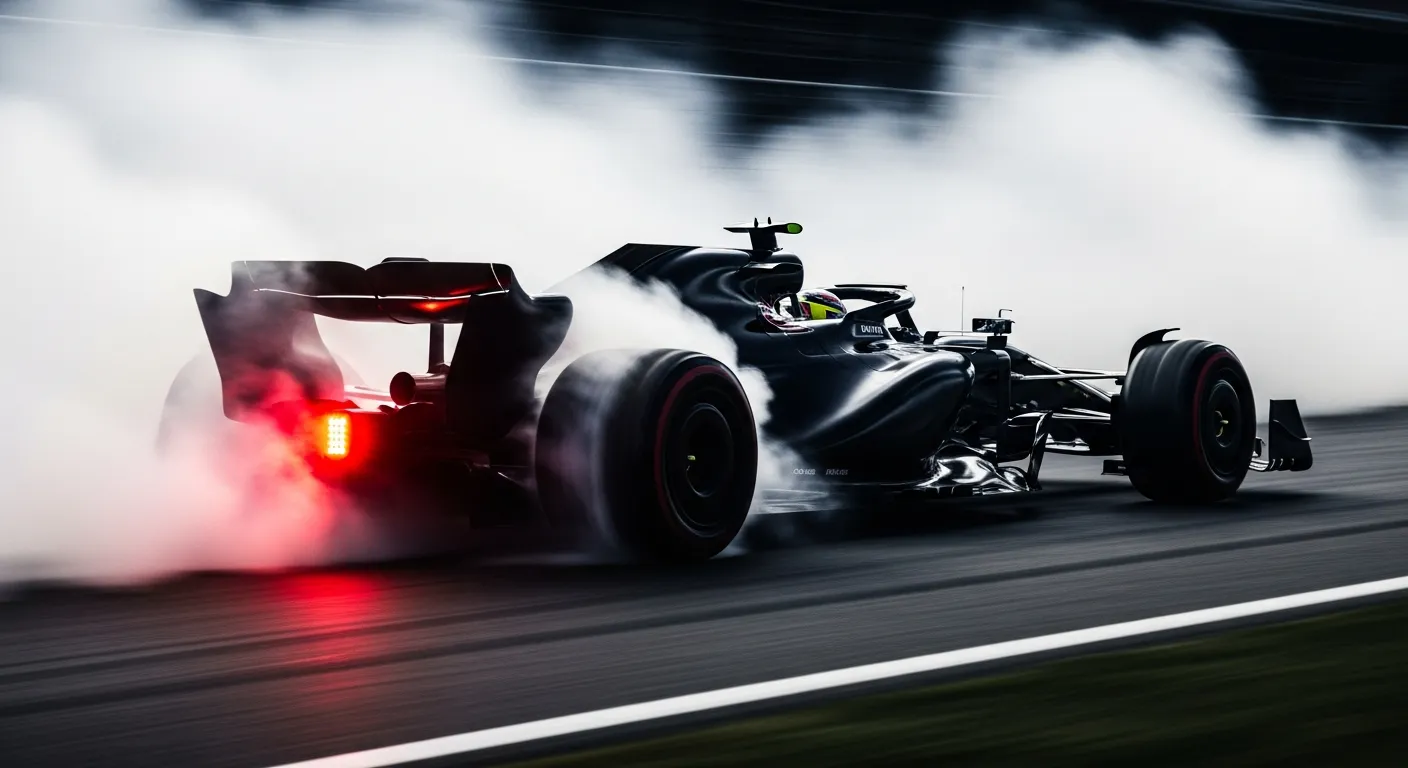
Williams Racing's history at the Bahrain Grand Prix, held on the demanding Sakhir permanent circuit, is characterized by a persistent effort to extract performance on a track that often exposes the nuances of car design, particularly its balance between straight-line speed and tire preservation. Across 22 starts at this venue, Williams has yet to secure a victory or a podium finish, with their best result being a commendable fourth place in the 2015 season.
The Bahrain International Circuit is a demanding track, featuring long straights that heavily tax the power unit and several heavy braking zones requiring robust mechanical grip and stable braking performance. For a team like Williams, powered by a Mercedes unit, the straight-line speed potential is often present, but the challenge frequently lies in optimizing the car's performance through the slower corners and managing the abrasive track surface that leads to high tire degradation. This balance is crucial; a car that excels on the straights but struggles with tire wear or cornering stability will find it difficult to maintain position over a full race distance. This is a common theme for many teams, as seen in the varied results even for top contenders at circuits like Ferrari at the British Grand Prix, another permanent track with diverse demands.
While the 2015 season saw Williams achieve their strongest result in Bahrain, more recent campaigns have underscored the challenges. The team secured a single point in 2023 with a tenth-place finish, but the 2024 event yielded no points, with best positions of 15th and 20th. This variability highlights the constant battle for development and optimization within Formula 1. The desert environment also introduces unique factors, such as significant temperature swings between day and night sessions, which can dramatically alter tire behavior and car balance, adding another layer of complexity to setup work. Understanding these dynamics is key to success, much like the strategic considerations at circuits with distinct characteristics such as Ferrari at the Canadian Grand Prix.
Under Team Principal James Vowles, Williams has been working to solidify their foundational performance, aiming for a more consistent presence in the points. The Bahrain Grand Prix, as the season opener for many years, serves as an early benchmark for their car concept, revealing its strengths and weaknesses in a competitive environment. The data from such early races is critical for the season's development trajectory, influencing decisions on future upgrades and car philosophy. Fans can track detailed historical performance data for all teams and circuits via resources like Jolpica/Ergast — 2026 season data, which provides a comprehensive look at past results. The FIA also provides extensive information on the sport and its regulations on the FIA — F1 World Championship official site.
Compared to a high-downforce, less power-sensitive track like Ferrari at the Hungarian Grand Prix, Bahrain's layout demands a different compromise. Williams' focus on improving their car's all-around capability, rather than just straight-line speed, will be tested here. The team's ability to manage tire degradation, particularly on the softer compounds, and maintain consistent pace through the technical sections will be indicative of their progress. The Bahrain Grand Prix remains a stern test for Williams, offering a clear measure of their current competitive standing.