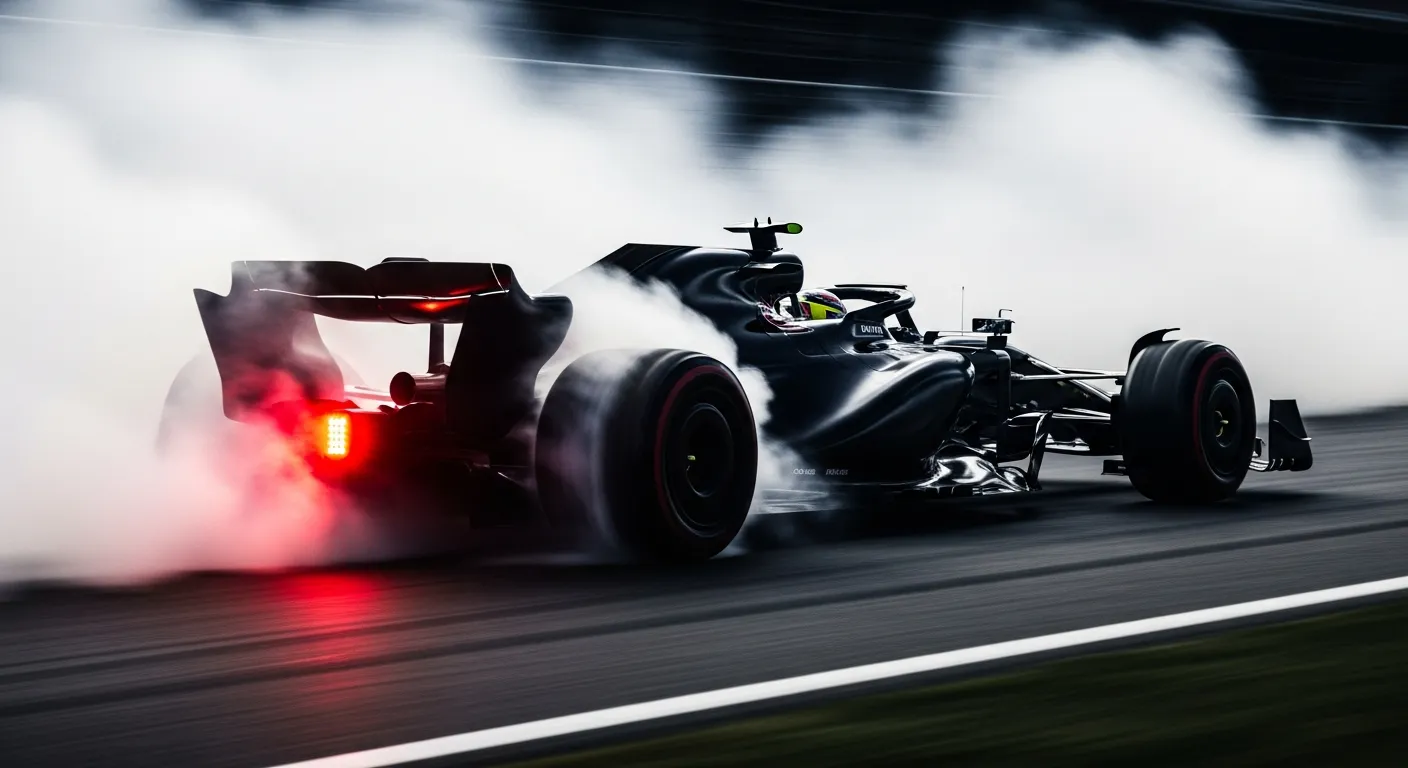
Williams Racing's history at the São Paulo Grand Prix is a study in contrasts, marked by periods of absolute dominance followed by significant challenges. The team has secured an impressive four wins and eleven podium finishes at the circuit, including a memorable 1-2 finish in 1992. These successes, particularly throughout the 1990s and into the early 2000s, underscore a golden era where their chassis designs, often paired with formidable engine packages, found a unique synergy with the undulating, technical demands of Interlagos.
The Autódromo José Carlos Pace, a permanent circuit known for its anti-clockwise layout and significant elevation changes, has historically rewarded cars with strong aerodynamic efficiency and robust mechanical grip – qualities Williams once epitomized. Their victories in 1992, 1996, 1997, and 2004 are testament to their ability to master this demanding venue. The circuit's long uphill run to the start-finish line, for instance, places a premium on power unit performance, a factor that has become increasingly relevant with the current generation of hybrid engines. While Williams now runs a Mercedes power unit, the overall package has struggled to consistently deliver the necessary balance for points finishes in recent years, a trend also observed with teams like Alpine at the São Paulo Grand Prix.
However, the landscape has shifted considerably. Since 2017, Williams has largely found points elusive at Interlagos, reflecting broader performance struggles within the team. The São Paulo Grand Prix, with its blend of high-speed sections and a tight infield, demands a comprehensive car concept. Modern F1 cars require precise aerodynamic load management for the sweeping corners, coupled with excellent mechanical grip for the slower, more technical sections. The team's current focus under Team Principal James Vowles is on developing a car that can perform consistently across such varied conditions, a challenge that extends beyond just raw power, as seen in other high-altitude venues like the Mexico City Grand Prix.
Historically, the team's ability to extract performance from their chassis on circuits that demand both straight-line speed and cornering prowess was a hallmark. The data, available from sources like Jolpica/Ergast — 2026 season data, clearly illustrates this historical strength. While the team's current form might not mirror its past dominance, the São Paulo Grand Prix remains a significant event on the Formula 1 calendar, offering a chance for Williams to demonstrate progress in their rebuilding efforts. The evolution of F1 technical regulations, as outlined by the FIA — F1 World Championship, continually reshapes how teams approach circuit design, making the pursuit of optimal performance a constant, dynamic challenge for every constructor.