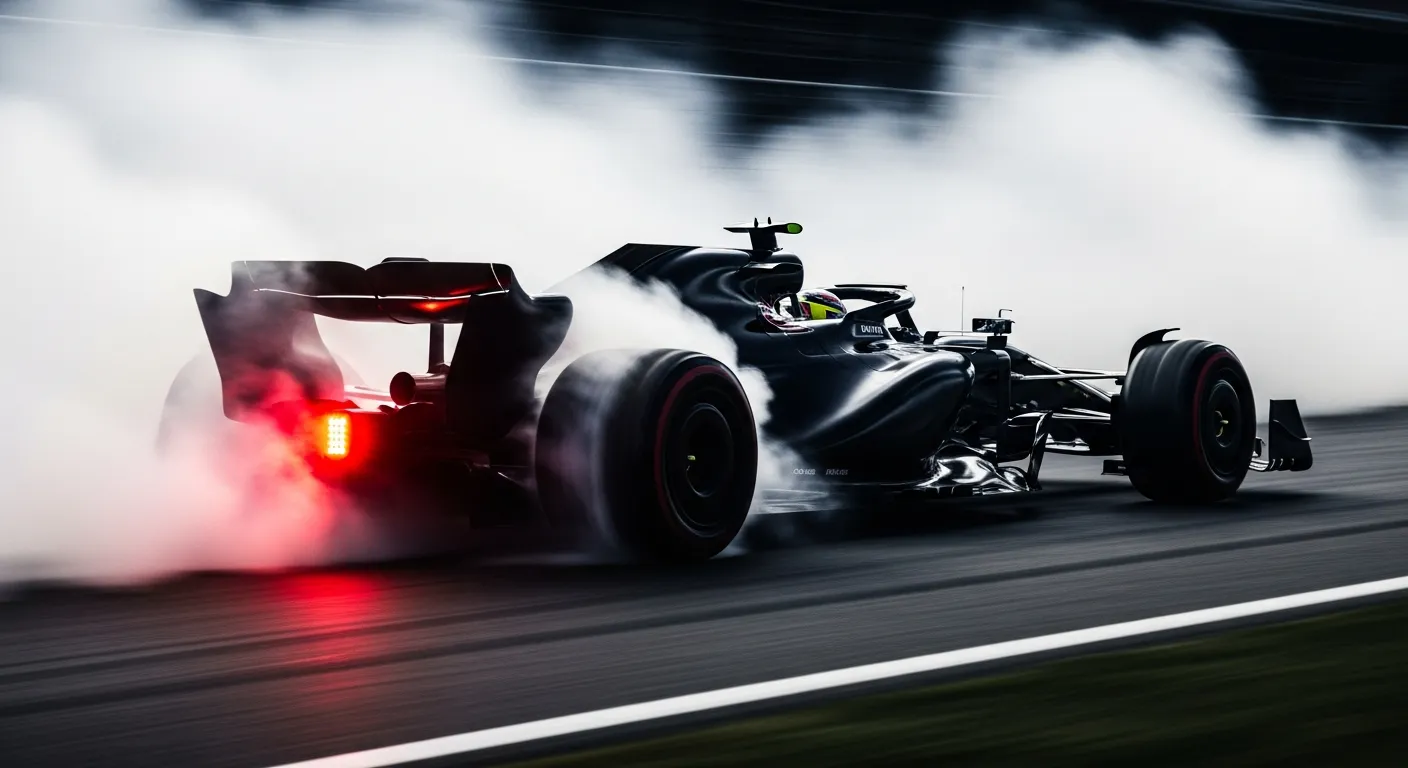
Williams Racing's record at the Abu Dhabi Grand Prix, held at the permanent Yas Marina Circuit, presents a fascinating study in contrasting fortunes. Across 17 starts, the team has secured a single podium finish, a remarkable double podium result in 2014. This performance, where Felipe Massa finished second and Valtteri Bottas third, remains the clear highlight of their appearances at the season-ending race. That year, the Mercedes power unit, which Williams also uses, was a dominant force, and the FW36 chassis proved particularly adept at balancing the circuit's demands for straight-line speed and medium-speed cornering stability. The 66 points accumulated in that single race underscore its significance, standing out dramatically against the backdrop of their other outings at this venue.
The 2014 season marked a significant shift in Formula 1 with the introduction of the V6 turbo-hybrid regulations, and Williams, powered by Mercedes, capitalized on this. The Yas Marina circuit, with its long straights and specific corner sequences, suited the efficiency and power of their package. However, replicating that success has proven elusive. From 2015 onwards, Williams largely struggled to find a similar competitive edge. Their best finishes have predominantly been outside the points, with only a handful of minor points scores in 2015 (8th), 2016 (9th), and 2017 (10th). This trend reflects a broader period of fluctuating performance for the Grove-based outfit, often finding themselves battling in the midfield or towards the back of the grid.
The Yas Marina Circuit demands a balanced car setup, requiring both aerodynamic efficiency for its lengthy straights and robust mechanical grip for its slower, technical sections, particularly through the revised Turn 5-9 sequence and the hotel section. For Williams, especially in more recent seasons, finding this balance has been a consistent challenge. Their car concepts have, at times, prioritized straight-line speed, which can be beneficial on sections like the back straight, but this often comes at the expense of downforce in the medium-speed corners. The Mercedes power unit provides a strong foundation for power-sensitive tracks, but without a complementary chassis that can generate sufficient downforce without excessive drag, points opportunities at a circuit like Abu Dhabi remain difficult. This dynamic is not dissimilar to the challenges faced by teams aiming for a balanced setup at circuits like Alpine at the British Grand Prix, where high-speed stability and aero efficiency are paramount.
In recent years, Williams' performances at Abu Dhabi have largely mirrored their overall championship standings. Since 2018, the team has not scored any points at the Abu Dhabi Grand Prix, with best positions typically in the mid-teens. The 2021 race, notably, saw no classified finishes for the team. This consistent struggle for points highlights the need for a fundamental improvement in their overall package to contend at a circuit that rewards a well-rounded and efficient design. The team's current principal, James Vowles, is working to rebuild the technical infrastructure, aiming for a more consistent performance across diverse track types, a goal that would certainly benefit their outlook at the season-ending race. Understanding the broader context of Formula 1's technical regulations and how teams adapt their designs is crucial, as detailed on the Wikipedia: Formula One page.
The permanent nature of the Yas Marina circuit, combined with its twilight race format, adds layers of complexity to strategy, particularly regarding tire degradation and pit stop timing. Teams must manage the cooling track temperatures and the impact on tire performance, which can shift the competitive landscape. While Williams has shown flashes of strategic acumen, their overall race pace has often limited their ability to convert these into significant points hauls. The contrast with a power-sensitive circuit like Alpine at the Italian Grand Prix, where outright engine performance can sometimes mask chassis deficiencies, is notable. At Abu Dhabi, a more complete package is required. The detailed historical data, like that found on Jolpica/Ergast — 2026 season data, consistently shows the challenge Williams faces here, especially when compared to their strong showing in 2014. The objective for Williams at Abu Dhabi is to leverage their Mercedes power unit effectively while optimizing their chassis for both straight-line speed and the demanding technical sections, a balance that has often eluded them since their memorable 2014 podium. This pursuit of balance is a constant for all teams, even at high-downforce tracks like Alpine at the Hungarian Grand Prix, where the demands are entirely different but the engineering challenge of optimization remains. The official Formula 1 — official site provides comprehensive updates on how teams approach these strategic and technical challenges throughout a season.