Track record
Source: Jolpica F1 API- Starts
- 1
- Wins
- 0
- Podiums
- 0
- Best finish
- —
- DNFs
- 1
- Points
- 0
Every appearance
| Year | Team | Grid | Finish | Pts |
|---|---|---|---|---|
| 2025 | Mercedes AMG F1 | P6 |
Driver × Circuit · permanent
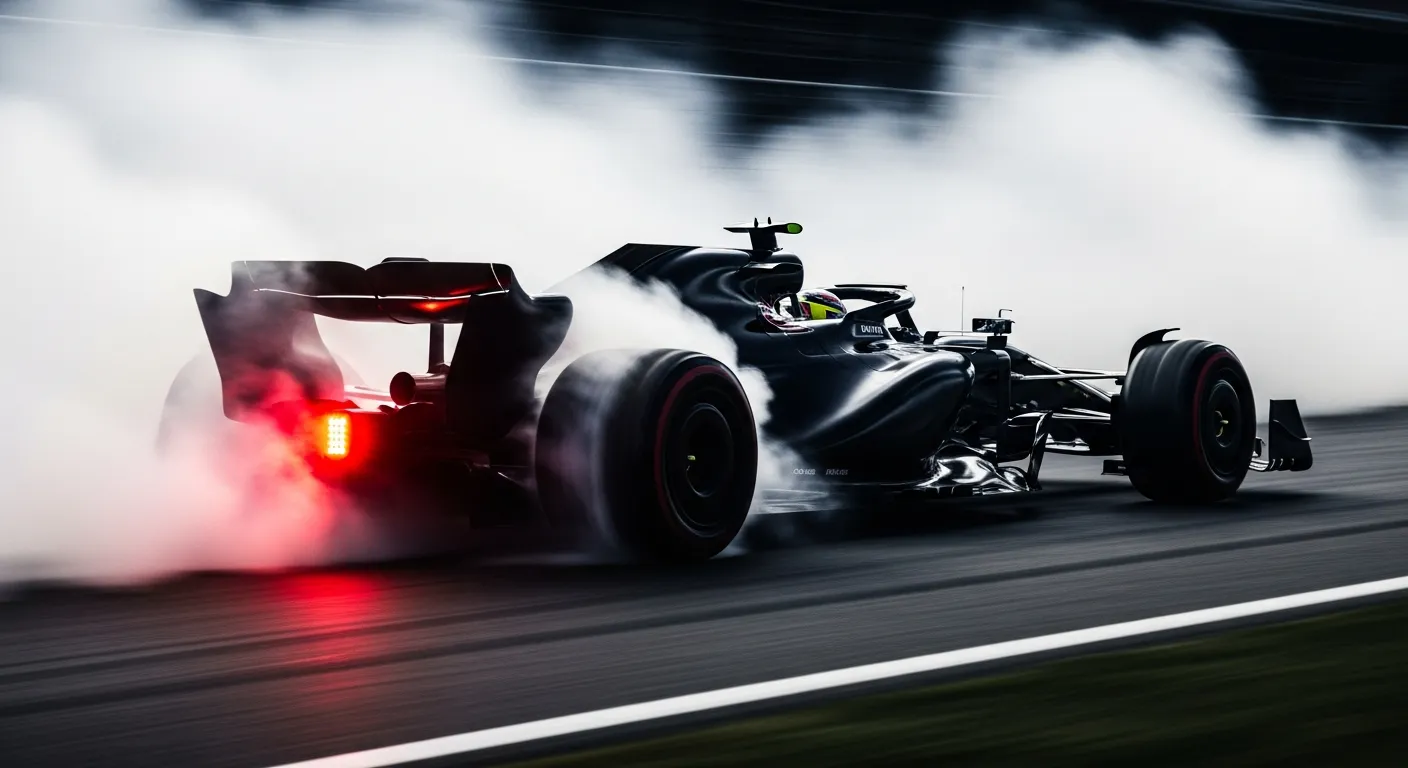
Andrea Kimi Antonelli's sole F1 appearance at the Spanish Grand Prix ended prematurely with a DNF, leaving his true potential at this technical circuit yet to be fully demonstrated.
| Year | Team | Grid | Finish | Pts |
|---|---|---|---|---|
| 2025 | Mercedes AMG F1 | P6 |
| Oil pressure |
| 0 |
Andrea Kimi Antonelli's introduction to Formula 1 at the Circuit de Barcelona-Catalunya in 2025 was a moment of significant anticipation, yet his race concluded with a retirement due to oil pressure, preventing a full assessment of his capabilities at this demanding venue. This single appearance, where he started 6th for Mercedes AMG F1 before his unfortunate exit, means his record at the Spanish Grand Prix currently stands at one start, zero wins, zero podiums, and a best finish of null, marked by that solitary DNF.
The Circuit de Barcelona-Catalunya is a permanent fixture on the F1 calendar, renowned for its diverse challenges. Its layout features a mix of high-speed corners like Turn 3 and Turn 9, combined with technical chicanes and a long main straight. This blend places a premium on aerodynamic efficiency, tire management, and driver precision. For a developing driver like Antonelli, mastering the circuit's flow and understanding how to extract consistent performance across a race stint is crucial. The track's abrasive surface also contributes to significant tire degradation, making strategic calls and in-lap management critical.
Antonelli's junior career has showcased a driver with a strong technical understanding and an ability to adapt quickly, traits that are highly beneficial at a circuit like Barcelona. His methodical approach, often highlighted in his Formula 2 and Formula Regional campaigns, suggests he has the foundation to excel on tracks that reward consistency over raw, unrefined aggression. The high-speed sections demand confidence in the car's aero package, while the slower, more technical corners require precise throttle application and brake modulation. This combination offers a comprehensive test of a driver's skill set, and a strong showing here can be a significant marker of progress.
Mercedes has historically demonstrated varied performance at Barcelona, often using it as a key benchmark for car development due to its comprehensive nature. For Antonelli, returning to this circuit would offer a valuable opportunity to benchmark his own development against the demands of a track he's already experienced, albeit briefly. Understanding how the W16 or its successor interacts with Barcelona's unique characteristics – from the sweeping corners to the critical final sector – will be key. Drivers like Alexander Albon at the British Grand Prix often speak to the importance of high-speed stability, a factor equally vital at Barcelona. The data collected from his previous outing, even a truncated one, would provide a baseline for analysis, allowing the team to tailor his setup and approach more effectively.
The Spanish Grand Prix is often seen as a bellwether for the European leg of the season, providing insights into a car's overall package and a driver's adaptability. For Antonelli, a strong, clean race at Barcelona would be an important step in solidifying his position in Formula 1 and demonstrating his capacity to manage a complex, high-pressure race weekend. The official Formula 1 website provides extensive historical data on how different car philosophies perform here, underscoring its significance. Furthermore, understanding the technical regulations, as outlined by the FIA's F1 World Championship documentation, helps contextualize car development specific to such circuits. The detailed race data available through resources like Jolpica/Ergast will be crucial for fans and analysts to track his performance trajectory. His journey, much like Alexander Albon at the Austrian Grand Prix, involves continuous learning and adaptation to different circuit demands.
Ultimately, Antonelli's narrative at the Spanish Grand Prix is one of unfinished business. His return to Montmeló will be closely observed, not just for his individual performance but also for what it reveals about the Mercedes package and his ongoing development as a Formula 1 driver, particularly as he navigates the complexities of a permanent circuit that demands both speed and strategic thinking. His experience here will be contrasted with other demanding tracks, similar to how we might analyze Alexander Albon at the Hungarian Grand Prix, which also requires a nuanced approach to car setup and driver input.