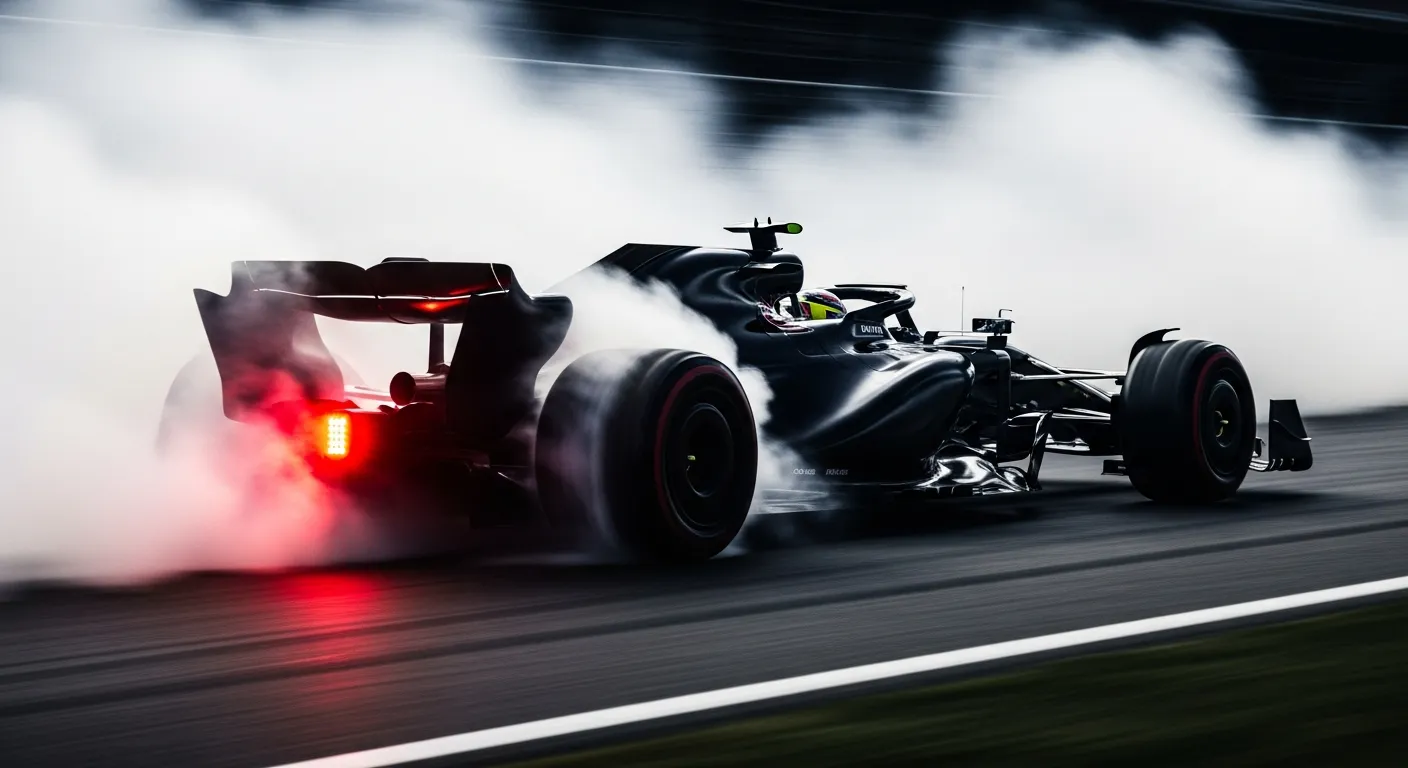
Lance Stroll's record at the Red Bull Ring, encompassing 11 starts across both the Austrian and Styrian Grand Prix weekends, presents a nuanced picture of consistent mid-field contention rather than breakthrough performances.
Stroll has made 11 starts at the Spielberg circuit, a permanent fixture on the Formula 1 calendar, without securing a win or a podium. His best finish here is seventh, achieved during the 2020 Styrian Grand Prix with Racing Point. This result stands out from his other performances, which have largely seen him battling for the lower points positions or just outside them. His debut at the circuit in 2017 saw him secure a single point for Williams, finishing tenth from an eighteenth-place grid start, a testament to his ability to navigate the race on a track that can be unforgiving.
The unique circumstances of the 2020 season, which featured two races at Spielberg, offered a clearer look at Stroll's potential. While the Austrian Grand Prix that year ended in a DNF due to an engine issue, the subsequent Styrian Grand Prix saw him convert a thirteenth-place grid slot into his best finish of seventh, adding six points to his tally. This period, particularly with the Racing Point car, often highlighted a capacity for strong race craft when the machinery allowed. As Aston Martin took over, his performances have generally settled into a similar pattern. For instance, in 2023, he started sixth and finished ninth, securing two points, a result that mirrors the kind of consistent, if not spectacular, points-scoring he has often delivered. For a broader understanding of how drivers adapt to different circuits, examining records like Charles Leclerc at the Chinese Grand Prix can offer interesting comparisons in consistency.
The Red Bull Ring's layout, characterized by its short lap, high average speed, and significant elevation changes, demands a specific approach to car setup and driving style. The circuit features heavy braking zones into turns 1, 3, and 4, followed by long straights. Stroll's driving style, often noted for its adaptability, has sometimes struggled to extract consistent one-lap pace in qualifying sessions at circuits that demand absolute precision and quick changes of direction. This can be seen in his varied grid positions, ranging from a P6 in 2023 to a P18 in his debut year. The permanent nature of the circuit means teams have extensive data, yet finding the optimal balance for the Aston Martin has proven challenging for Stroll here. Further details on historical F1 data can be found on the Jolpica/Ergast — 2026 season data archives.
Tyre management at Spielberg is a critical factor, particularly with the high-energy demands through the fast corners and heavy braking. Stroll's ability to manage tyre degradation has sometimes been a strength, allowing him to maintain pace over a stint. However, the compact nature of the circuit often leads to tight midfield battles, where small errors can have significant consequences. His total of 13 points from 11 starts at this venue underscores a career-long effort to maximize opportunities within the car's performance window. Comparing this to other drivers' records at technically demanding tracks, such as Charles Leclerc at the Japanese Grand Prix, reveals the varied challenges drivers face. The Formula 1 — official site provides comprehensive race reports and technical analysis that often delve into these strategic nuances.
While Stroll has yet to achieve a podium at the Red Bull Ring, his consistent presence in the points, albeit often in the lower half, indicates a fundamental understanding of the circuit. The challenge for him and Aston Martin remains to unlock the extra tenth that could elevate him from a points finisher to a genuine contender for higher positions. His performances at circuits like this are crucial for Aston Martin's championship aspirations, providing valuable constructor points. For general information on the sport's history and regulations, Wikipedia: Formula One offers a detailed overview.