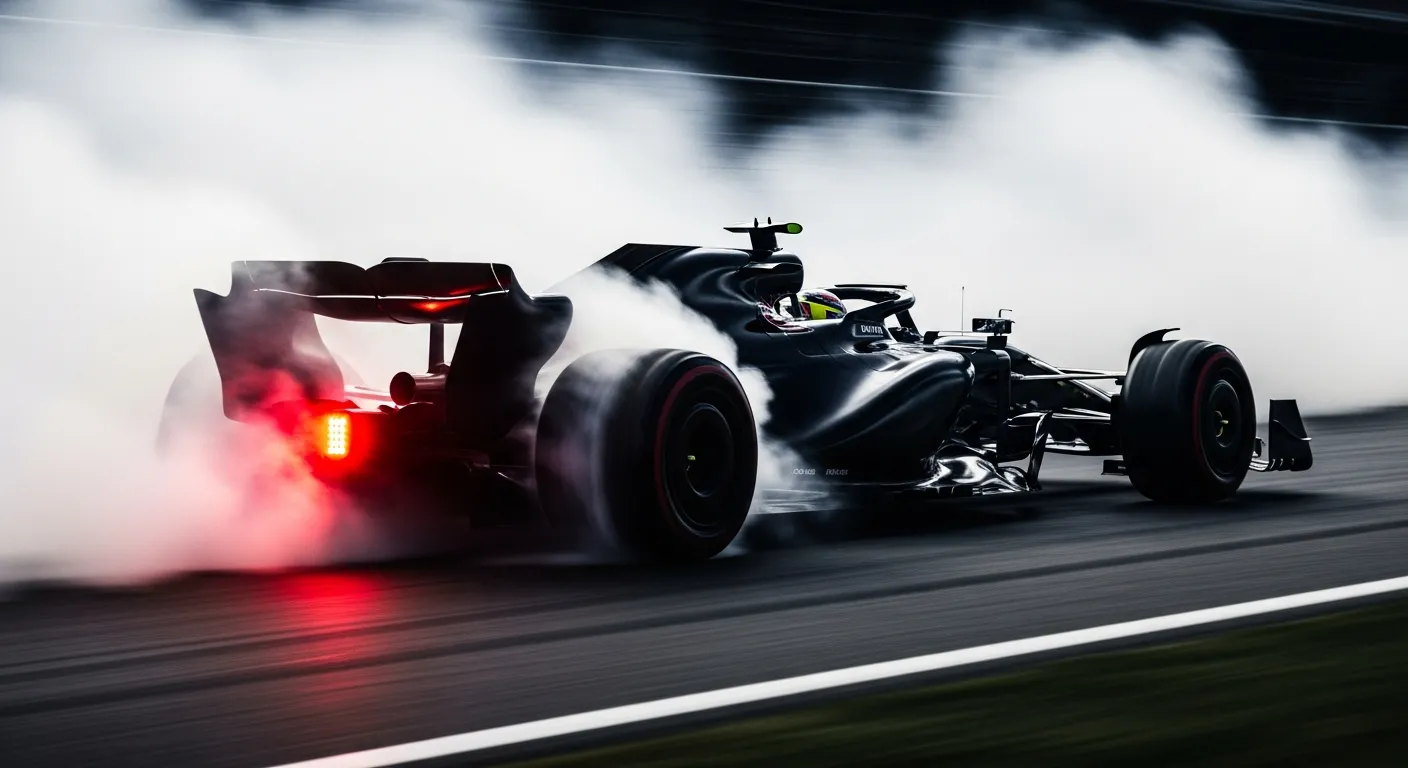
Max Verstappen's drive to second place at the 2016 Japanese Grand Prix at Suzuka was a demonstration of defensive precision, particularly in the closing stages against a charging Mercedes. Starting from third on the grid on October 9, 2016, the young Dutch driver, in his Red Bull Racing car, quickly established himself among the frontrunners. The Suzuka Circuit, known for its demanding high-speed corners and technical sections, provided a fitting stage for Verstappen to showcase his developing race craft. His initial pace allowed him to maintain a strong position, navigating the early laps cleanly while his teammate, Daniel Ricciardo, finished the race in sixth, highlighting Verstappen's individual performance within the team structure.
Throughout the 53-lap race, Verstappen managed his tires and pace effectively, ensuring he remained competitive with the leading Mercedes of Nico Rosberg, who ultimately took the victory. The strategic calls from the Red Bull pit wall were crucial in placing Verstappen in a position to challenge, and his execution on track was equally vital. As the race progressed, he found himself under increasing pressure from Lewis Hamilton, who had started from second but dropped back. Verstappen's ability to hold his line and defend against Hamilton's persistent attacks in the final laps was a standout moment, preventing the Mercedes driver from advancing further. This close battle underscored Verstappen's tenacity and his growing reputation as a formidable competitor on the [Formula 1 — official site](https://www.formula1.com/en) stage.
His fastest lap, a 1:36.386 on lap 43, ranked sixth overall in the race, indicating a consistent performance level even as he managed his position. The 18 points earned for his second-place finish were a significant contribution to his season tally. This result at Suzuka, a circuit detailed on [Wikipedia: Formula One](https://en.wikipedia.org/wiki/Formula_One), further cemented his status as a future contender, much like his later performances such as at the [2019 São Paulo Grand Prix](/results/2019-interlagos-max-verstappen) where he would again demonstrate his commanding race presence. His drive here was a precursor to the consistent top-tier finishes that would define his career, echoing the competitive spirit seen in other young talents like [Charles Leclerc at the 2019 São Paulo Grand Prix](/results/2019-interlagos-charles-leclerc).
This particular result also provides valuable data for analysis, contributing to the broader historical context of [Jolpica/Ergast — 2026 season data](https://api.jolpi.ca/ergast/f1/2026.json) and demonstrating the competitive landscape of the 2016 season. Verstappen's performance here, alongside other Red Bull drivers like [Alexander Albon at the 2019 Mexico City Grand Prix](/results/2019-mexico-city-alex-albon), illustrates the team's ongoing development of young talent capable of delivering podium finishes.