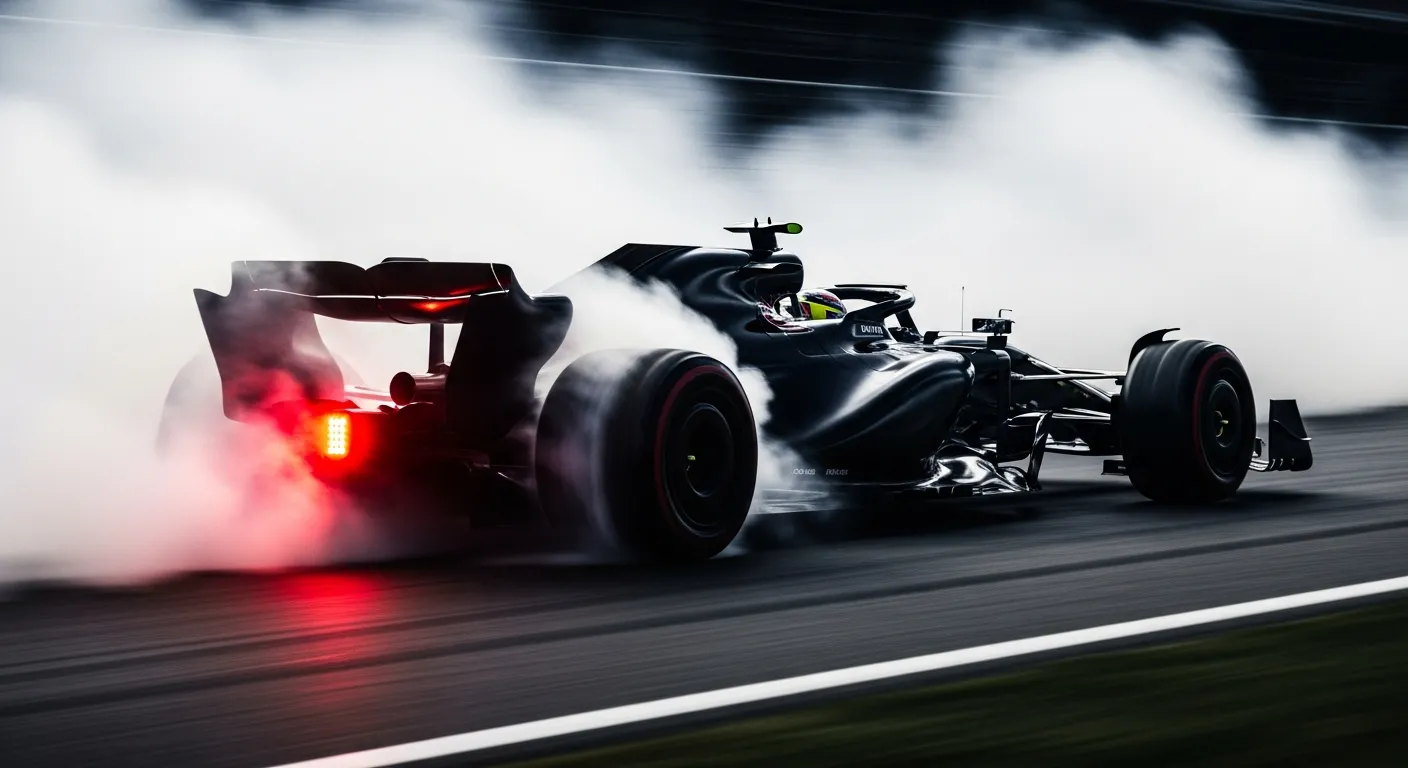
Lance Stroll's 2025 Canadian Grand Prix unfolded as a challenging home event, with the Aston Martin driver unable to convert his grid position into a points-scoring finish on the Circuit Gilles Villeneuve.
Starting from 17th on the grid, Lance Stroll concluded his home Grand Prix in the same position for Aston Martin, completing 69 of the 70 race laps. This result meant no championship points were added to his tally, maintaining his season total at 14 points. The Circuit Gilles Villeneuve, a track known for its demanding chicanes and high-speed straights, often presents unique challenges for car setup and tire management. Stroll's fastest lap of 1:14.902, achieved on lap 58, placed him 10th overall in the race's fastest lap rankings. While this individual lap pace demonstrated potential, it was not enough to overcome the initial grid disadvantage or the race-long battle to move through the field. The performance disparity within the [Aston Martin](https://www.formula1.com/en/teams/Aston-Martin.html) garage was evident, as his teammate Fernando Alonso, starting from 6th, secured a valuable 7th-place finish, adding 6 points to his own championship campaign. This contrast highlights the varying fortunes drivers can experience even within the same team during a single event, a dynamic often seen in the sport, such as with [Esteban Ocon at the 2020 Monaco Grand Prix](/results/2020-monaco-esteban-ocon) navigating his own race challenges. For a broader perspective on the sport's global reach, the [official Formula 1 website](https://www.formula1.com/en) provides extensive coverage.
The inability to gain ground from his qualifying position meant Stroll spent much of the race contending in the lower midfield. Finishing one lap down, his Aston Martin AMR25 struggled to find the consistent competitive edge required to challenge for points. The strategic decisions made throughout the race, coupled with the inherent pace of the car on the day, ultimately dictated his final standing. The intricacies of a Grand Prix, from tire compounds to fuel loads, are meticulously governed by the [FIA's F1 World Championship regulations](https://www.fia.com/events/fia-formula-one-world-championship), all contributing to the final outcome. Comparing this result to other drivers' experiences, such as [Carlos Sainz at the 2020 Monaco Grand Prix](/results/2020-monaco-carlos-sainz), illustrates how critical every session, from practice to qualifying, is in setting the stage for Sunday. The detailed [Jolpica/Ergast 2026 season data](https://api.jolpi.ca/ergast/f1/2026.json) offers a glimpse into the future of data analysis in the sport, while a broader historical context of [Formula One racing](https://en.wikipedia.org/wiki/Formula_One) reveals the constant evolution of racing dynamics.