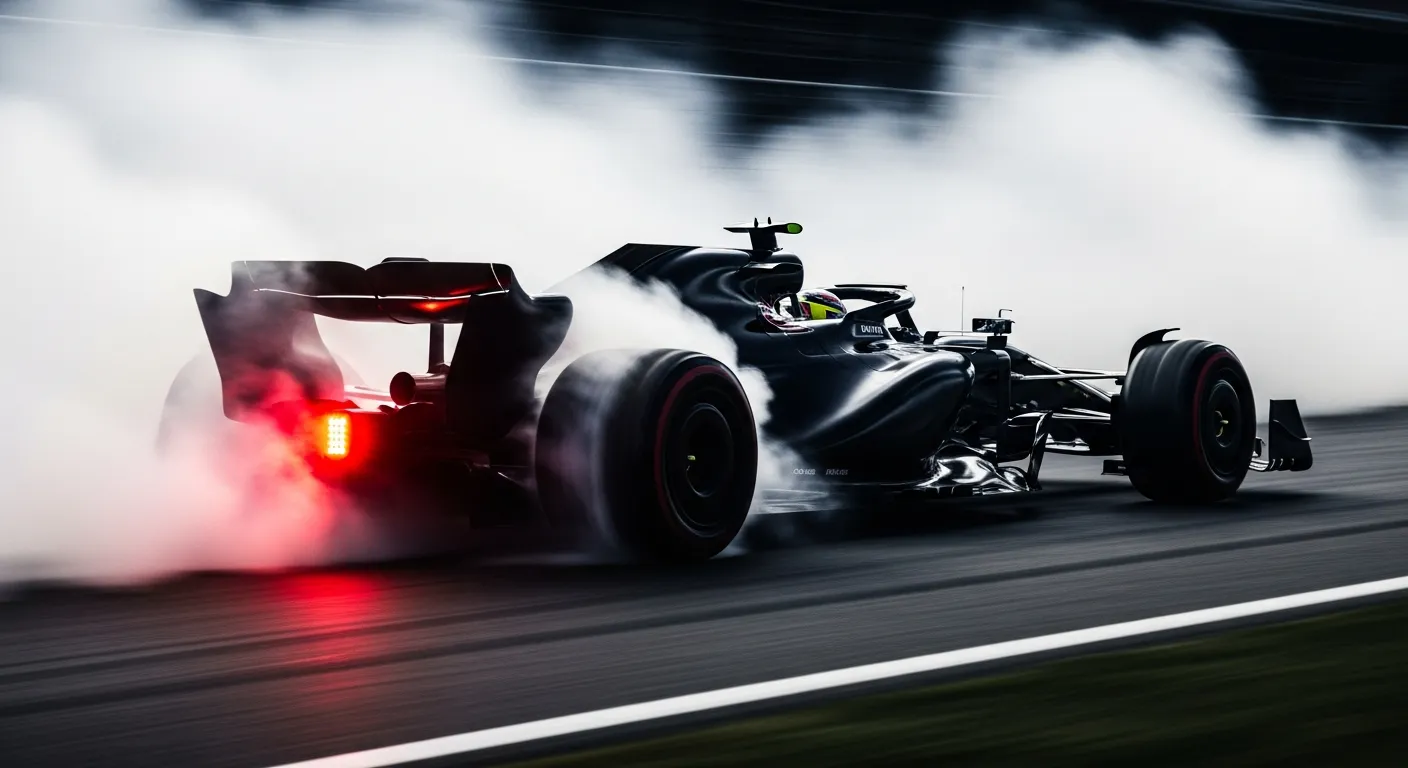
Ferrari's performance at the Bahrain Grand Prix, a permanent fixture on the Formula 1 calendar, often serves as an early indicator of their season's potential. With 22 starts at the Sakhir circuit, Scuderia Ferrari HP boasts an impressive record of 7 wins and 12 podiums, including four 1-2 finishes. Their first victory here came in 2004, setting a precedent for strong early-season form. However, while the team has frequently shown flashes of brilliance, particularly in qualifying, translating that into consistent race-day dominance has presented a varied picture in more recent outings. The unique demands of the Bahrain International Circuit, with its abrasive surface and significant power requirements, often highlight the strengths and weaknesses of the Ferrari power unit and chassis design.
The Sakhir circuit's layout, characterized by long straights and heavy braking zones, places a premium on engine power and effective tire management. Historically, Ferrari's power units have been competitive, contributing to their seven wins across various eras, with the most recent being in 2022. The circuit's abrasive asphalt, combined with the often high ambient temperatures, can lead to considerable tire degradation. This particular challenge has, at times, been a hurdle for Ferrari, whose car concepts have occasionally struggled to maintain optimal tire performance over a full race stint compared to rivals like Mercedes at the Bahrain Grand Prix. The balance between straight-line speed and mechanical grip through the slower sections is crucial, and Ferrari's ability to dial in this compromise is often a key determinant of their weekend.
While Ferrari secured a memorable 1-2 finish in 2022, their performances in 2023 and 2024 saw them finish 4th and 3rd/4th respectively, indicating a pattern where initial promise doesn't always translate into a dominant victory. This suggests that while the raw pace is often there, particularly evident in qualifying, the strategic execution and long-run tire degradation management remain critical areas for the team. The Bahrain Grand Prix, often the season opener, provides an early test of a team's understanding of the new regulations and their car's characteristics. For a deeper dive into how teams navigate these early-season challenges, the Formula 1 — official site offers comprehensive race reports and technical analyses.
Comparing Ferrari's approach at Sakhir to other high-speed, high-degradation tracks like the Saudi Arabian Grand Prix reveals a consistent need for robust power and careful tire strategy. The team's principal, Frédéric Vasseur, and the technical team continually refine their car's setup to mitigate tire wear without sacrificing outright pace. This ongoing development is a core part of modern Wikipedia: Formula One racing, where marginal gains can dictate results. The data from past seasons, available through resources like Jolpica/Ergast — 2026 season data, shows the ebb and flow of Ferrari's competitiveness at this specific venue, highlighting periods of dominance and periods of struggle. Their ability to manage the race in Bahrain often sets a tone for their season, influencing perceptions of their championship aspirations.
Ultimately, Ferrari's narrative at the Bahrain Grand Prix is one of potential and occasional triumph, tempered by the persistent challenge of optimizing their package for race distance. The team's rich history at the circuit underscores their capability, but the evolving technical landscape of F1 demands continuous adaptation to secure those coveted top steps on the podium.