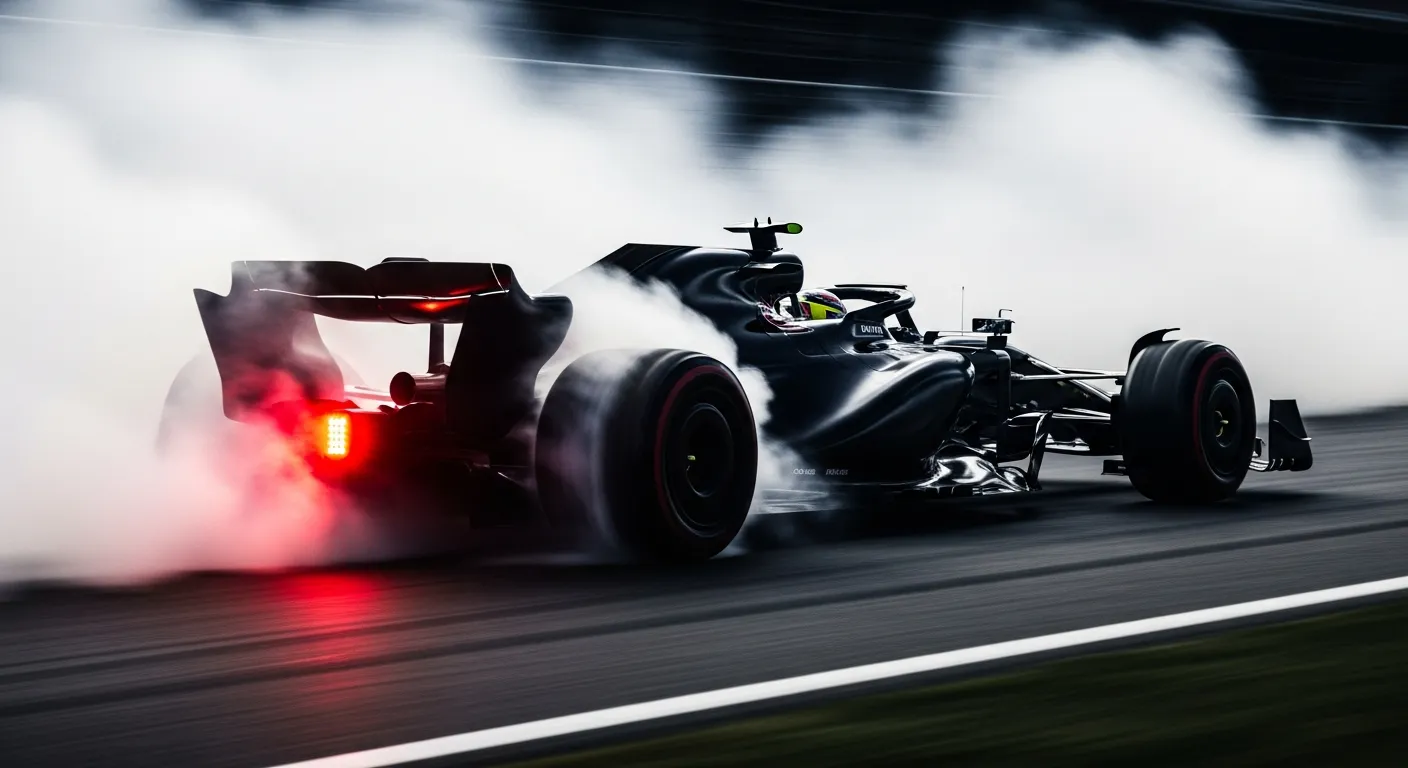
The MoneyGram Haas F1 Team, as the sole American constructor on the grid, approaches the United States Grand Prix at Austin with a unique blend of national pride and a consistent struggle to translate that into strong on-track results. This home event at the Circuit of the Americas (COTA) has often served as a demanding barometer for the team's chassis and its interaction with a layout that requires a comprehensive package.
Across nine starts at COTA, Haas has secured zero wins, zero podiums, and zero 1-2 finishes. Their best performance came in 2024 with an 8th place finish, contributing to their total of 9 points at this venue. This record underscores the inherent challenges the team has faced in optimizing their car for COTA's diverse demands. The circuit's first sector, with its rapid changes of direction and high-speed S-curves, places a premium on aerodynamic stability and efficient downforce generation. Haas, powered by a Ferrari unit, has historically shown reasonable straight-line speed, but managing the car through these complex aero-dependent sections, and subsequently through the heavy braking zones, has often proved difficult.
The unique characteristics of COTA, a permanent circuit known for its significant elevation changes and a mix of corner types, often expose any underlying weaknesses in a car's balance and tire management capabilities. While the Ferrari power unit provides a strong foundation for the long back straight, the subsequent technical sections require a car that can generate mechanical grip and manage tire degradation effectively. This balance has been a recurring theme for Haas; achieving optimal performance across all sectors has been elusive, often leading to a compromise that impacts overall race pace. For comparison, teams like Red Bull Racing at the United States Grand Prix have consistently demonstrated how to master COTA's varied demands, often by finding a superior aerodynamic and mechanical setup.
Haas's performance at COTA also offers insights into their broader car development philosophy. The team's approach to designing a car that can excel on power-sensitive tracks, similar in some aspects to Red Bull Racing at the Italian Grand Prix, sometimes comes at the expense of performance on more aerodynamically complex layouts. Understanding the intricacies of Formula 1 car design and its impact on performance at different circuits is crucial, as detailed on the Wikipedia: Formula One page. The team's best finishes at COTA, while rare, often coincide with weekends where they've managed to find a setup that mitigates their car's historical challenges with tire wear and aerodynamic efficiency, particularly through the high-speed sections.
Looking ahead, the team's ongoing efforts under Team Principal Ayao Komatsu to refine their car concept and improve consistency will be critical. The data from previous seasons, which can be explored through resources like Jolpica/Ergast — 2026 season data, shows a pattern of occasional points but no sustained top-ten presence at their home race. The challenge at COTA is not just about raw pace, but about finding a harmonious balance across the entire lap, a task that has historically proven difficult for the American outfit. The contrast with a high-downforce, low-speed circuit like Red Bull Racing at the Singapore Grand Prix further illustrates the diverse demands placed on F1 cars across the calendar, and how a team's core design philosophy performs under different pressures. The official Formula 1 — official site provides comprehensive race results and analysis for all events.