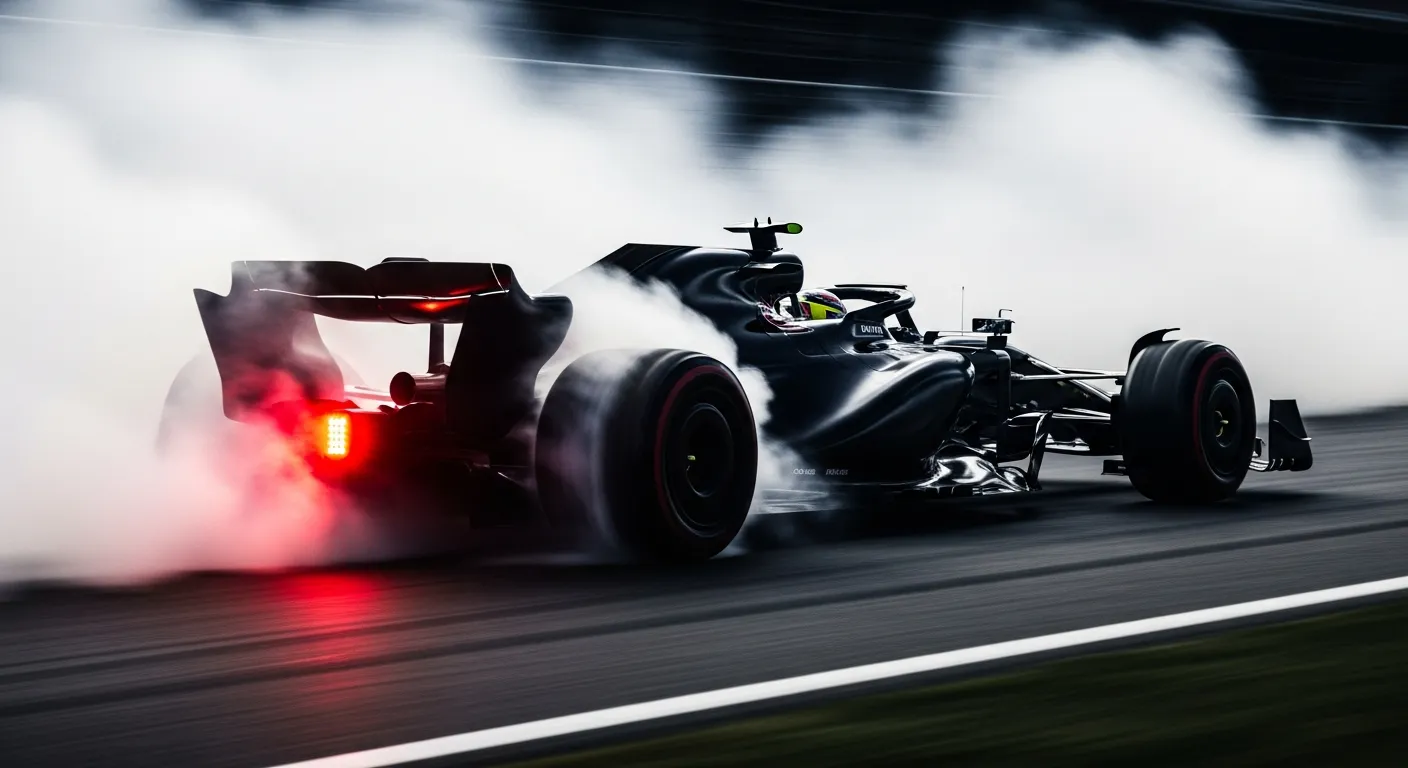
Haas's history at the Austrian Grand Prix, held at the permanent Red Bull Ring, is characterized by intermittent flashes of strong performance, particularly in its earlier years, juxtaposed with more recent struggles to consistently extract points from the high-speed layout. The circuit, with its short lap, significant elevation changes, and long straights, places a premium on both outright power and a balanced aerodynamic package. Haas, leveraging the Ferrari power unit, has seen its fortunes ebb and flow with the competitiveness of that engine package and the overall car concept.
Historically, the team's most successful outing at Spielberg came in 2018, where they secured their best finish of 4th place and a 5th, accumulating a significant 22 points. This performance demonstrated the VF-18's capability on circuits demanding a blend of straight-line speed and stable high-speed cornering. Another strong showing was in 2022, with a 6th and an 8th place finish, adding 12 points to their tally. These results stand out against several seasons, including 2019, 2020, 2021, and 2023, where the team struggled to break into the points, often finishing well outside the top ten. The 2020 season, uniquely featuring both the Austrian and Styrian Grand Prix at the same venue, saw Haas fail to score in either event, highlighting periods when their car concept simply did not align with the circuit's demands. For a broader perspective on how different circuits impact team performance, comparing this to Haas at the Italian Grand Prix or Haas at the Belgian Grand Prix reveals common threads regarding power-sensitive tracks.
The Red Bull Ring's layout rewards cars that are efficient through its fast sections and stable under heavy braking into corners like Turn 3. The abrasive surface can also be demanding on tires, requiring careful management throughout the race stints. Haas's car designs have sometimes struggled with tire degradation or finding the optimal setup to exploit both qualifying pace and race endurance. The team's principal, Ayao Komatsu, often emphasizes the importance of understanding the car's nuanced behavior across different track characteristics, a challenge that is particularly acute at a circuit like Spielberg, which offers little respite. Understanding the broader context of Formula One's technical evolution helps frame Haas's development challenges against the ever-changing regulations. For those keen on detailed historical performance, resources like Jolpica/Ergast's F1 data offer deep dives into constructor records, illustrating these trends.
While the team has shown flashes of pace, consistency remains a hurdle. The contrast between their strong 2018 and 2022 performances and the point-less weekends in other years at this permanent circuit underscores the critical importance of car development and setup. Unlike a high-downforce circuit such as the Haas at the Hungarian Grand Prix, Spielberg's blend of speed and technical sections demands a different approach. The Formula 1 official site provides comprehensive details on each season's calendar and regulations, which often dictate the design philosophy Haas brings to such events.