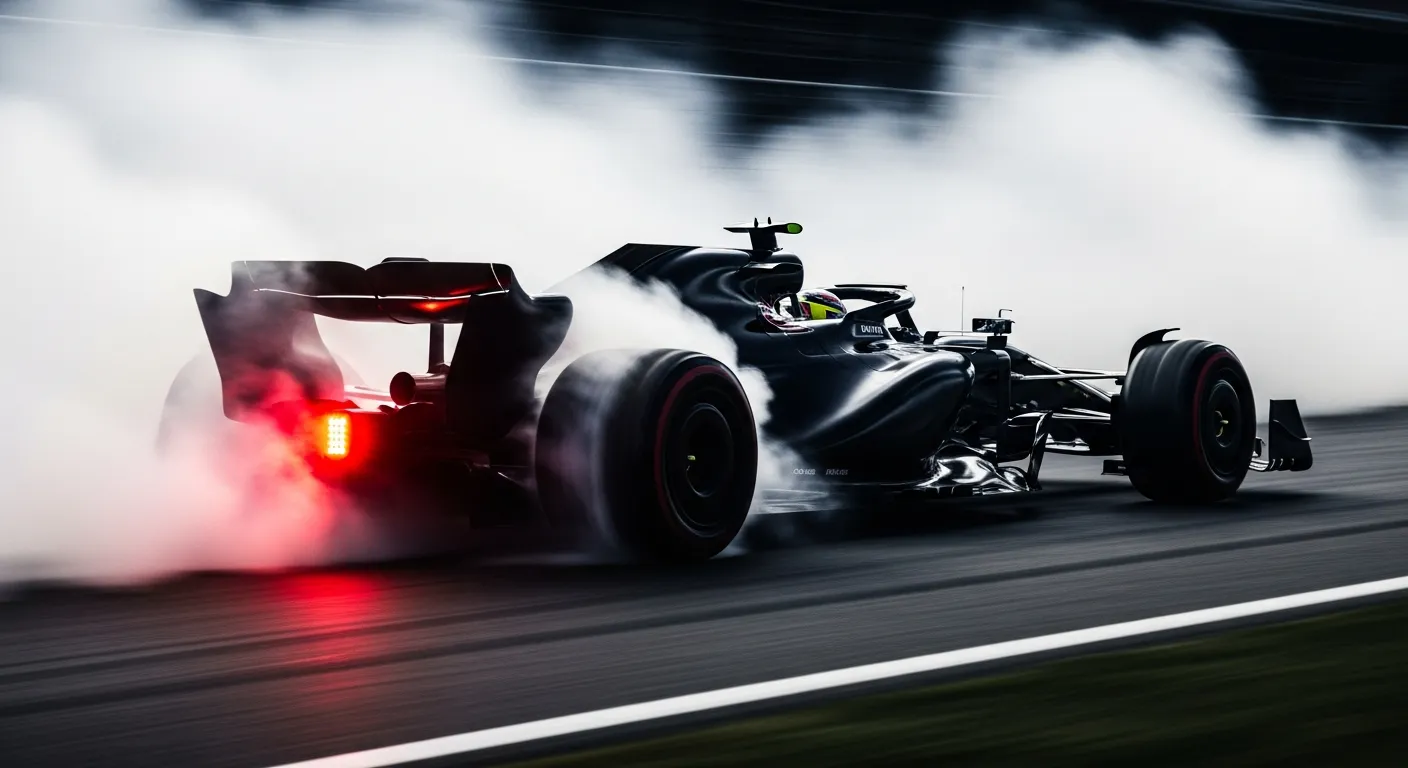
The MoneyGram Haas F1 Team's journey at the Belgian Grand Prix, held at the iconic Spa-Francorchamps permanent circuit, has been a nuanced reflection of their car's inherent strengths and persistent limitations across various regulatory eras. With ten starts at this demanding venue, Haas has yet to secure a win, a podium, or a 1-2 finish, a record that underscores the consistent challenge Spa presents for teams operating in the midfield. Their best result, a respectable seventh place achieved in 2017, stands as a high watermark, demonstrating that when the car concept aligns with the circuit's unique demands, points are within reach. However, the subsequent years have largely seen the team struggle to replicate that form, often finding themselves outside the points-scoring positions, as evidenced by a string of finishes in the mid-to-late teens in recent seasons.
Spa-Francorchamps is a circuit that ruthlessly exposes any weaknesses in a car's overall package, particularly its blend of aerodynamic efficiency and raw power. Its long straights, such as the run up to Les Combes, demand a robust power unit, where the Ferrari engine supplied to Haas plays a critical role. Yet, the circuit also features high-speed, flowing corners like Eau Rouge and Blanchimont, which require a stable and aerodynamically efficient chassis. Haas's car concept has historically aimed for a balance, but this balance has often tilted, making it difficult to optimize for both the straight-line speed needed on the Kemmel Straight and the downforce required through the technical sectors. This often forces a compromise in setup, impacting either qualifying pace or race-day tire degradation, a common dilemma for many teams, including those like McLaren at the Bahrain Grand Prix where power unit performance is paramount.
Over the years, Haas has grappled with the evolving technical regulations and their impact on performance at a circuit like Spa. Early in their F1 tenure, the team occasionally found a sweet spot, as seen with their 2018 performance where they secured a seventh and eighth place finish, earning 10 points. This period coincided with a relative strength in the Ferrari power unit and a car design that could extract performance on certain track layouts. However, subsequent seasons, particularly from 2019 onwards, have largely seen Haas struggle to extract points at Spa, with several appearances yielding zero points. This pattern suggests that when the car's fundamental design or aerodynamic philosophy isn't perfectly suited to Spa's high-speed, low-downforce sections combined with its technical corners, the team faces an uphill battle. The data available through resources like Jolpica/Ergast — 2026 season data provides a granular look at these year-on-year fluctuations, highlighting the challenges of maintaining consistent performance.
The unpredictable Ardennes weather at Spa also adds another layer of complexity, often creating opportunities or pitfalls for teams. Haas, like all contenders in the FIA — F1 World Championship, must be prepared for sudden changes, which can heavily influence tire strategy and car setup. While the team has shown flashes of potential, their overall record at this permanent circuit indicates a need for a more robust car concept that can consistently deliver in both high-speed and high-downforce conditions. The team principal, Ayao Komatsu, will undoubtedly be focused on how future developments can address these inherent challenges, aiming to elevate their performance beyond the midfield. This pursuit of balance and adaptability is a constant in Formula 1, echoing the strategic considerations seen at other demanding circuits such as McLaren at the Japanese Grand Prix, another track that tests a car's complete package. The ultimate goal remains to consistently challenge for points, a feat that has proven elusive at Spa in recent times for the American outfit.