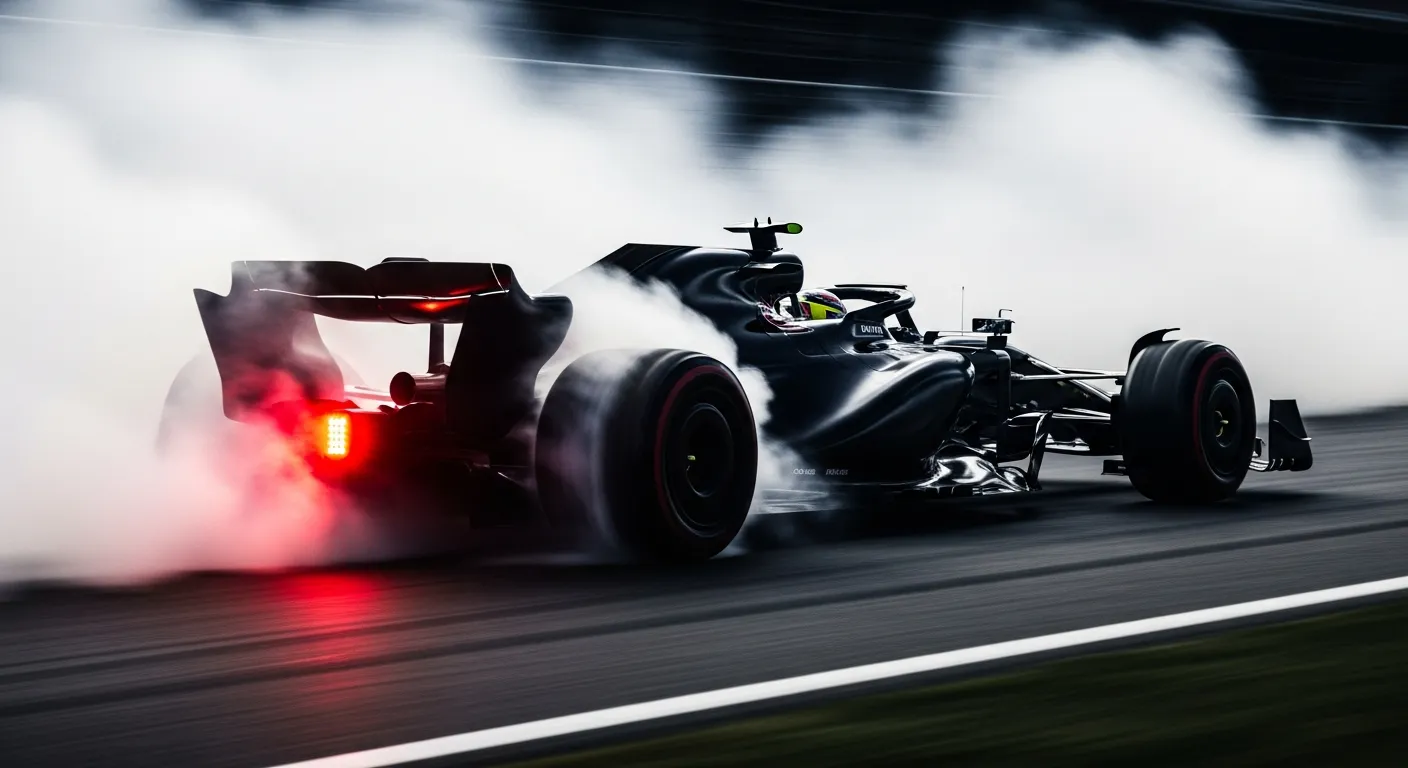
McLaren's relationship with the Monaco Grand Prix is etched into the very fabric of Formula 1 history, marked by periods of unparalleled dominance that underscore the team's ability to master the unique demands of the Principality. With 59 starts, McLaren has secured an impressive 16 wins and 25 podium finishes at Monte Carlo, a testament to their engineering prowess and driver talent over decades. This remarkable record, including three 1-2 finishes, highlights how often their car concepts have aligned perfectly with the circuit's specific requirements.
The Monaco circuit, with its tight corners and unforgiving barriers, places an immense premium on mechanical grip and aerodynamic efficiency at low speeds. Historically, McLaren has often produced cars that excel in these areas. The team's design philosophy, particularly during its most successful eras, frequently prioritized a nimble, responsive chassis capable of maximizing traction out of the slow chicanes and navigating the rapid changes in direction. This focus allowed their drivers to extract maximum performance, particularly evident in their string of victories from 1984 through 1993, a period where the team truly defined success on these streets.
While raw power from the Mercedes power unit is less of a differentiating factor here compared to high-speed tracks like Monza, the driveability and torque delivery remain crucial for quick exits from corners. McLaren's consistent ability to integrate their power unit with a highly effective chassis has been a cornerstone of their Monaco success. The narrow confines also demand absolute precision and confidence from the drivers, and McLaren has consistently fielded drivers who thrive under such pressure, often turning strong qualifying performances into race wins due to the limited overtaking opportunities.
In recent years, McLaren's performance at Monaco has seen fluctuations, mirroring the team's broader competitive cycles. However, the underlying principles of a strong Monaco car — high downforce, excellent mechanical grip, and a predictable balance — remain central to their design objectives. The evolution of their current car, particularly with the recent upgrades, suggests a renewed focus on these characteristics. Fans looking for deeper insights into F1's technical regulations can always consult the FIA's official F1 World Championship page for context on car design.
The 2025 win, as recorded in the data, marks a significant return to the top step, signaling a potential resurgence for McLaren at this iconic venue. This recent success, alongside a podium finish in 2024, indicates that the team's current trajectory is once again aligning with the demands of street circuits. Understanding the historical context of Formula 1, including the evolution of teams and circuits, is invaluable, and resources like Wikipedia: Formula One offer a comprehensive overview. The team's strategy calls are also critical here, as seen in the tactical battles at circuits like Silverstone or Spa-Francorchamps, where pit stop timing and tire choices can make or break a race. The detailed race data, available via resources like Jolpica/Ergast, further illustrates the nuances of these strategic decisions over time.