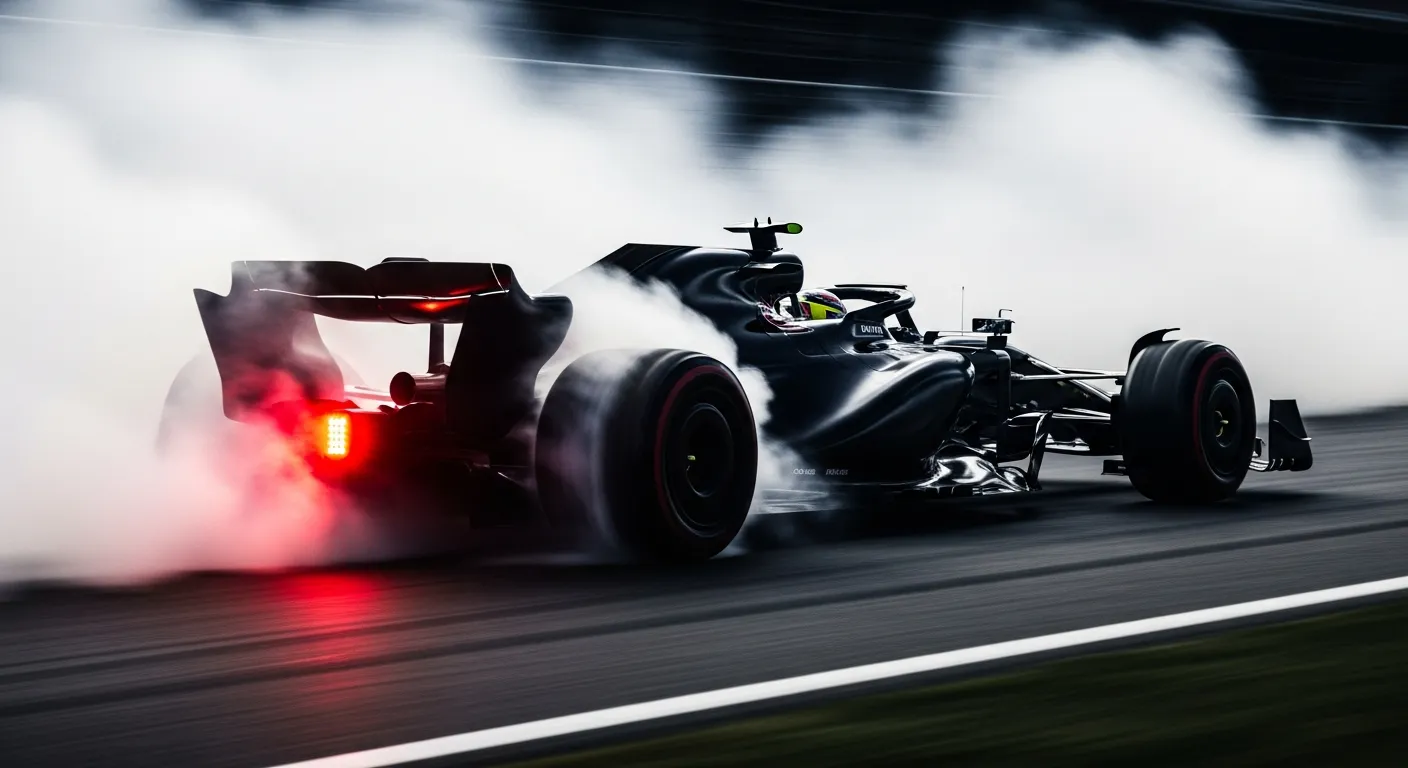
Mercedes' history at the Austrian Grand Prix is a narrative of early hybrid-era supremacy, punctuated by periods of significant challenge on a circuit that often exposes specific car characteristics. The team has secured an impressive 7 wins at the Red Bull Ring, alongside 11 podium finishes and 3 one-two results, a testament to their potent Mercedes power unit and aerodynamic efficiency in their dominant years. Their best finish, a first place, was achieved in 2014, marking the beginning of a strong run.
From 2014 to 2017, Mercedes consistently found success, leveraging the circuit's high-speed sections and heavy braking zones. The unique demands of the Red Bull Ring, with its short lap and high-altitude setting, often favored cars with strong straight-line speed and excellent traction out of its relatively few corners. This era saw Mercedes' engineering prowess shine, allowing them to extract maximum performance from their package. The 2020 season was particularly notable, with Mercedes claiming victories in both the Austrian Grand Prix and the Styrian Grand Prix, which were held back-to-back at the same venue, further cementing their command.
However, the Red Bull Ring has also presented significant hurdles. The 2018 Austrian Grand Prix stands out as a rare double retirement for the team, a stark reminder of the circuit's unforgiving nature. More recently, as car concepts have evolved, Mercedes has faced difficulties, particularly with the ride-height sensitivity of their chassis over the aggressive kerbs and through the undulating sections of the track. This has sometimes hindered their ability to consistently challenge at the very front, as seen in 2023 where their best finish was P7, a significant departure from their earlier form. These struggles at Spielberg can be compared to their efforts at other challenging permanent circuits like Mercedes at the São Paulo Grand Prix, where specific car traits are heavily scrutinized.
Despite these fluctuations, Mercedes demonstrated a resurgence with a win in 2024, indicating their continuous efforts to adapt their car to the circuit's demands. The team's ability to manage tire degradation, particularly on the softer compounds, and optimize their setup for the mix of high-speed and slow-speed corners remains crucial. The data from Jolpica/Ergast — 2026 season data shows a mixed bag in recent years, highlighting the ongoing challenge of maintaining peak performance on a circuit that has historically been both a stronghold and a stumbling block. The Red Bull Ring's characteristics demand a finely balanced car, a challenge that Mercedes, like many teams, continually addresses, much like how Aston Martin at the Australian Grand Prix must find a similar balance.
The team's performance here often provides a clear indicator of their car's fundamental strengths and weaknesses, especially concerning mechanical grip and aerodynamic efficiency. Understanding the historical context of Formula One at this venue helps frame Mercedes' varied results, from dominant wins to more challenging weekends, as they navigate the ever-evolving technical regulations and competitive landscape.